
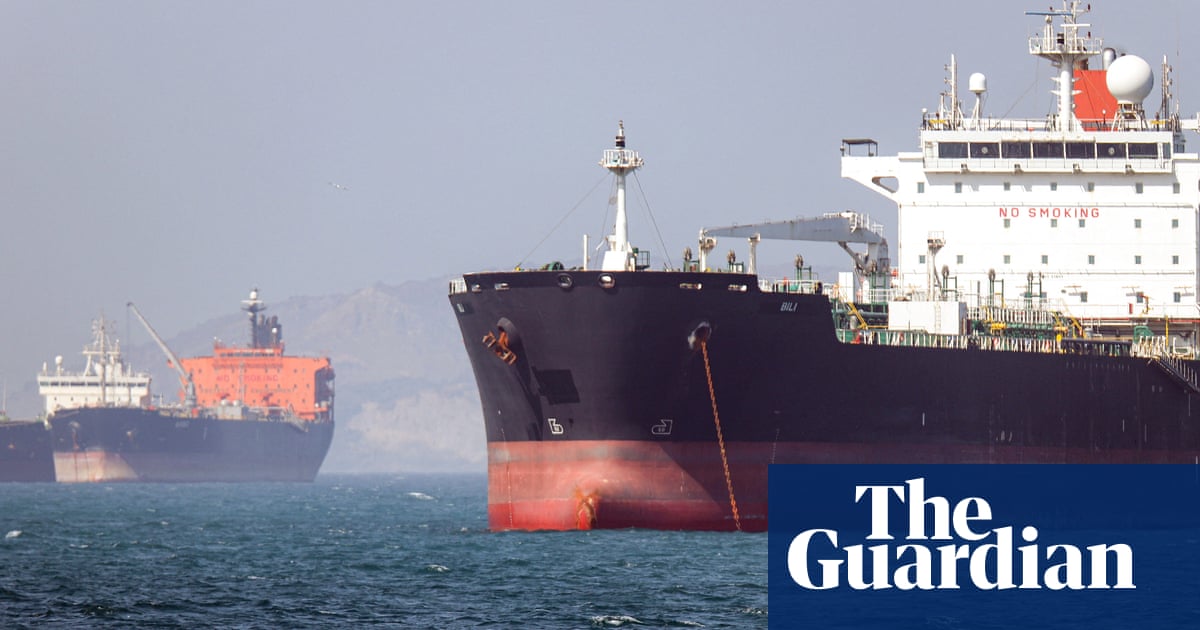
In a significant geopolitical move, Saudi Arabia declined to permit the United States to utilize its military bases and airspace for a proposed operation aimed at escorting oil tankers through the Hormuz Strait. This refusal prompted President Donald Trump to suspend the initiative, which had been branded as Project Freedom. This development underscored Saudi Arabia’s cautious approach and complicated the U.S.’s strategies in the region.
Saudi Stance on Military Operations
The Saudi government explicitly communicated to the White House that it would not allow access to its Prince Sultan airbase for the execution of Project Freedom. Initially touted as a successor to the earlier bombing campaign named Operation Epic Fury, this initiative aimed to bolster the security of oil tankers navigating one of the world’s busiest maritime channels. Despite a personal outreach from Crown Prince Mohammed bin Salman to Trump, Saudi Arabia maintained its objections.
This refusal seems to reflect a broader strategic desire on Saudi Arabia’s part to seek a de-escalation of tensions in the ongoing U.S.-Iran conflict. While Saudi Arabia wishes for an end to hostilities, the United Arab Emirates (UAE), a stronger competitor in the Gulf, appears more assertive in its military posture and strategic alliances. Tensions between these two Gulf states have been exacerbated by the war in Yemen and the broader regional power struggles, causing a rift in their diplomatic relations.
UAE’s Bold Moves and Strategic Alliances
Frustrated with Riyadh’s hesitance, the UAE has distanced itself from Saudi-led organizations such as OPEC and is even contemplating its departure from the Arab League. Notably, the UAE has formed closer ties with Israel through the Abraham Accords, positioning itself as a more proactive player in regional politics. This shift has contributed to a growing divide between the two Gulf nations, especially in the context of how they perceive threats from Iran.
The Emirates have felt increasingly vulnerable, being the primary targets of Iran’s military actions, and are dissatisfied with what they perceive as a lack of collective defense from their allies. They have employed various tactics, including turning off transponders on their tankers to evade detection while attempting to secure passage through contested waters. This defiance highlights a stark contrast to Saudi Arabia’s more cautious approach, underlining significant strategic differences between the two nations.
Concerns Over Escalation and Future Diplomacy
Saudi Arabia’s resistance has raised concerns about potential escalations in conflict if Project Freedom were to proceed. The kingdom is wary that such a military operation could lead to hostile confrontations with Iran, potentially undermining the fragile ceasefire that had been underway since early April. Iranian officials have indicated that they would interpret any U.S. military presence in the region as a breach of this ceasefire, heightening fears of further assaults on Gulf assets and U.S. bases.
Despite Trump’s announcement about the temporary suspension of Project Freedom, which he framed as a result of diplomatic progress facilitated by China, the underlying issues remain unresolved. Notably, Trump did not cite Saudi objections as a reason for the postponement but rather emphasized advancements in negotiations with Iran. This lack of acknowledgment may create further strains in U.S.-Saudi relations as both countries navigate the complexities of Middle Eastern geopolitics.
The potential fallout from these developments could also reshape regional power dynamics. As Saudi Arabia and the UAE continue to navigate their respective national interests, their diverging strategies may affect broader coalitions in the Gulf, especially in light of evolving relations with Iran and Israel. With multiple points of contention between these oil-rich nations, the intricacies of regional diplomacy will remain a focal point in global security discussions moving forward.