
Egypt’s economy faces significant challenges, akin to a proverb suggesting a person escaping a pit only to stumble into a ditch. Despite recent macroeconomic reforms aimed at enhancing prospects for growth and stability, the country has found itself grappling with new and unexpected difficulties. As inflation rates began to decline and tourism thrived, geopolitical tensions following the US-Israeli conflict with Iran threatened to overshadow progress.
Macroeconomic Reforms and Resilience
In early 2026, Egypt had successfully applied various economic adjustments aimed at stabilizing its finances and attracting investment. The International Monetary Fund (IMF) recognized that Egypt was making strides toward stability after its fifth and sixth reviews of an $8 billion loan. With inflation on a downward trend, noted at 13.4%, and tourism revenues soaring to an enviable $24 billion, there were successes worth celebrating. Beyond tourism, the government’s innovative approach to taxation added an impressive 35% to revenue, breaking records not seen since 2005. In the realm of foreign direct investment, Egypt outperformed its African counterparts, pulling in $11 billion.
However, this progress was soon put to the test with the escalation of violence in the region. The ongoing US-Israeli conflict with Iran triggered rising energy prices and posed significant challenges, given Egypt’s history of economic vulnerabilities. This situation highlighted the fragile balance Egypt had achieved, threatening to thrust the country back into turmoil.
Economic Adversities from Conflict
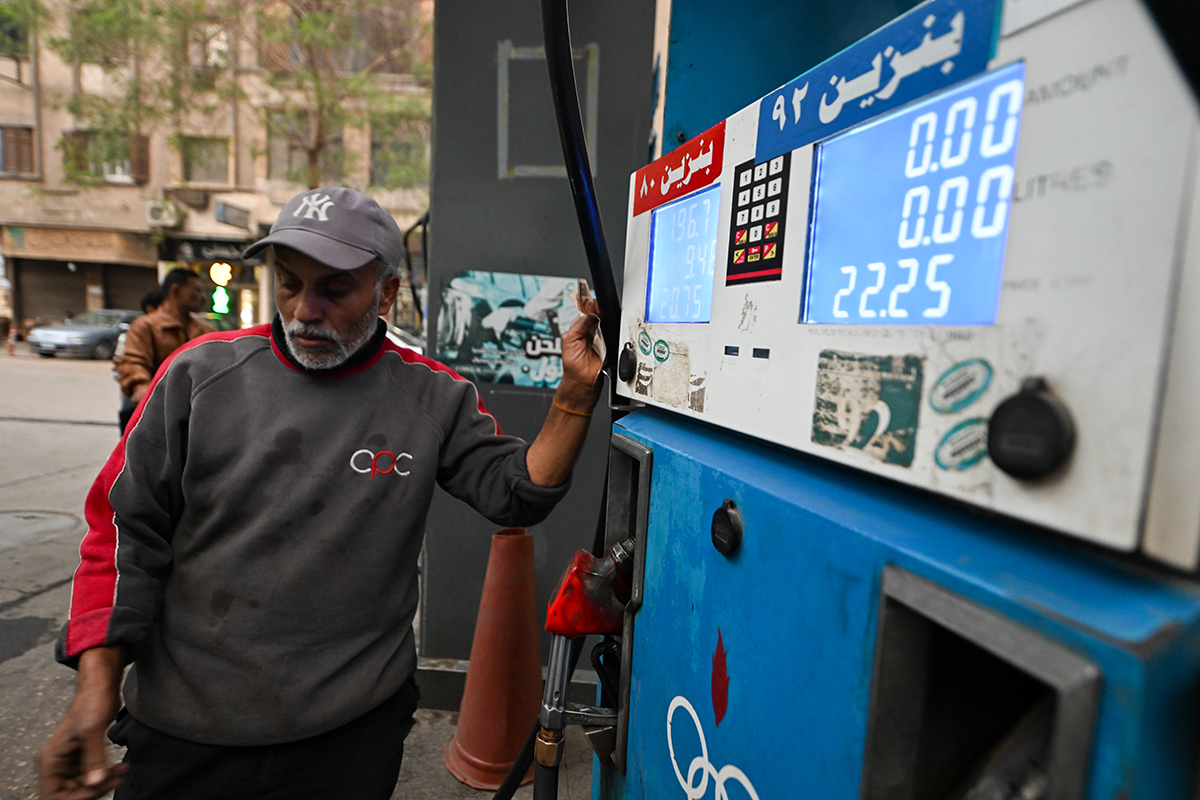
On March 10, the Egyptian Ministry of Petroleum unexpectedly raised fuel prices by 15-22%. Initial announcements blurred the line between emergency measures and policy missteps, citing “exceptional circumstances” despite previous reassurances against price hikes. While the nation had some hedging agreements in place, they only covered a fraction of its energy import needs. The conflict’s strain on energy supplies impacted not only transportation but also living conditions for everyday citizens already grappling with a reduced quality of life.
The tourism sector also faced potential fallout with the issuance of a travel advisory from the US State Department, recommending Americans exit the country due to safety concerns. Although later revisions classified Egypt as relatively safe, the damage inflicted on tourism perceptions proved detrimental. Meanwhile, export numbers, vital to Egypt’s economy, fell sharply due to escalating insurance and freight costs tied to the conflict.
Navigating Hot Money and Future Resilience
Egypt has been particularly exposed to fluctuations in foreign capital flows, commonly referred to as hot money. This type of investment is highly mobile, quickly exiting at the first sign of instability, as experienced during previous crises. Approximately $10 billion departed Egypt since the initiation of hostilities, but the economy appeared more prepared this time. Banks now enjoy a stronger foreign liquidity position compared to past crises, which may allow for a more measured response to present challenges.
Strategic hedging against energy vulnerabilities is another focus for the country. While Israel resumed natural gas supplies, Egypt is making efforts to secure liquefied natural gas (LNG) imports, primarily from the US, during peak consumption periods. Additionally, the government is keen to fulfill ambitious renewable energy targets by 2030. Investments in solar and wind projects can bolster Egypt’s energy independence in the long run.
Looking Ahead: A Balanced Approach
The complexities of regional politics and fluctuating alliances also play a critical role in Egypt’s economic landscape. Recent tensions in the Gulf have prompted shifts in priorities among neighboring nations, complicating Cairo’s external financial relationships. For Egypt, attracting foreign direct investment will require consistent efforts and strategic initiatives, particularly as it contends with increased scrutiny from potential investors.
Resilience and adaptability will be paramount as Egypt grapples with both present challenges and future growth opportunities. The government’s commitment to fostering a dynamic private sector represents a potential pathway toward achieving economic stability, avoiding the traps of past crises. While the road ahead may be uncertain, careful management of resources and proactive measures can help navigate the storm and secure a more stable future.