
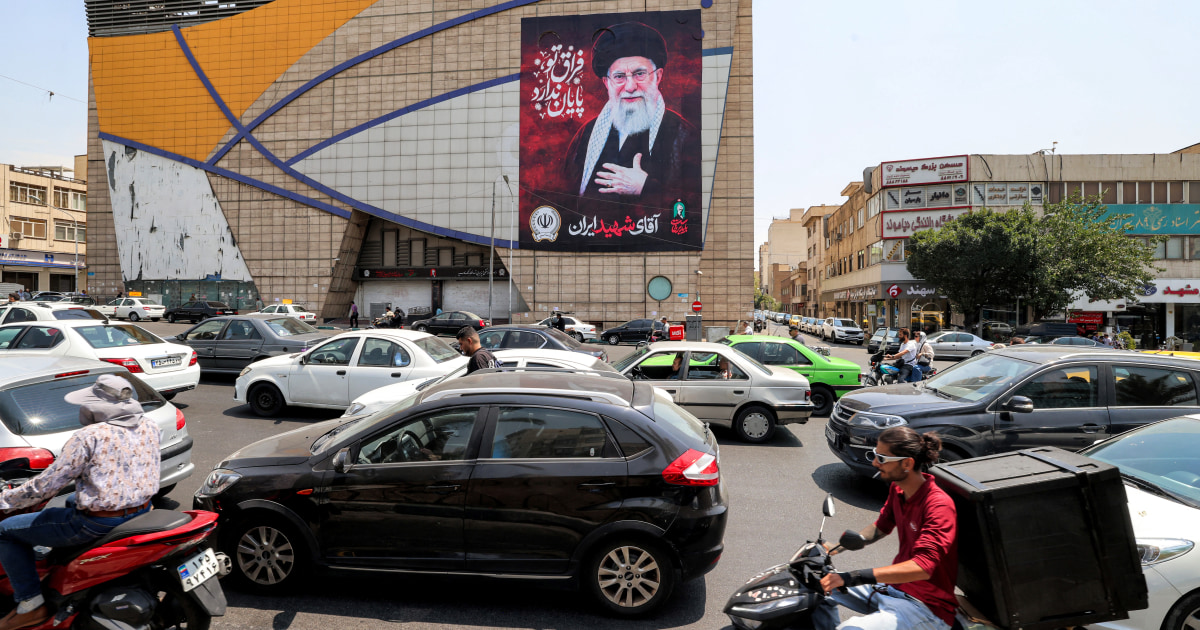
Iran and the U.S.: Current Status of Negotiations
The relationship between Iran and the United States remains tense, with significant developments recently highlighted by Iranian Foreign Minister Abbas Araghchi. On Sunday, he declared that no active negotiations are taking place between Tehran and Washington, particularly regarding the crucial Strait of Hormuz. This announcement followed Iran’s announcement of a stringent set of demands necessary for resuming operations in this vital waterway, known for its strategic importance in global oil transport.
The Rift Over the Strait of Hormuz
Despite efforts from intermediaries attempting to rekindle talks, Araghchi tempered any rising optimism about Iran’s parallel discussions with Oman. He clarified that alterations to maritime routes in the Strait of Hormuz are technical and legal adjustments, and do not equate to an official reopening of the waterway. These remarks come in response to top Iranian security official Mohammad Bagher Zolghadr’s statements outlining Iran’s stringent preconditions for the Strait’s reopening. Zolghadr asserted that Iran would not consider resuming operations until the U.S. modifies its stance, including lifting economic sanctions and addressing financial reparations for past conflicts.
Part of Zolghadr’s demands includes the cessation of the U.S. naval blockade and the unfreezing of Iranian assets. The implications of these demands reveal a complex diplomatic landscape. The U.S. has not publicly responded to these specific conditions, but previous comments from American officials have indicated a strict refusal to make immediate concessionary payments to Iran.
The Nuclear Tension and Strained Maritime Activities
A critical issue complicating negotiations is Iran’s enriched uranium stockpile, which poses a significant concern for U.S. officials who are adamant that Iran must abandon its nuclear ambitions. The lack of progress in dialogues has left the Strait of Hormuz largely non-operational, disrupting a vital route for global oil supply. Thousands of sailors remain stranded as they are unable to navigate the area, presenting a dire situation for global energy markets.
Recent comments from U.S. officials, including Vice President JD Vance, indicate that discussions focused on implementing traffic schemes are underway. Such plans would aim to facilitate safe passage for vessels through the Strait, involving potential demining operations and assurances from Iran that it would not target passing ships. Meanwhile, Oman has condemned recent attacks on vessels in the region, which further complicates ongoing negotiations regarding the waterway’s management.
Prospects for Negotiations and Regional Stability
Oman reported a constructive atmosphere in its conversations with Iran regarding the management of maritime traffic through the Strait. The discussions including potential toll fees are seen as promising. However, Iranian officials have repeatedly dismissed any speculation that these talks are a precursor to reopening the waterway, maintaining a firm stance on their preconditions.
Moreover, the geopolitical landscape of the region remains volatile, exemplified by recent aggressive actions taken by Houthi rebels against Saudi Arabia. The Houthis have launched several attacks that prompted responses from Riyadh, signaling deeper regional tensions. These developments create a complex backdrop as all parties consider future negotiations and regional security.
In conclusion, while diplomatic efforts exist to address issues surrounding the Strait of Hormuz and broader U.S.-Iran relations, significant hurdles remain. The intertwining of economic sanctions, nuclear concerns, and regional safety challenges suggests that finding common ground will require time, patience, and significant adjustments from both sides. As negotiations unfold, the focus will continue to be on restoring stability in this crucial maritime corridor.