
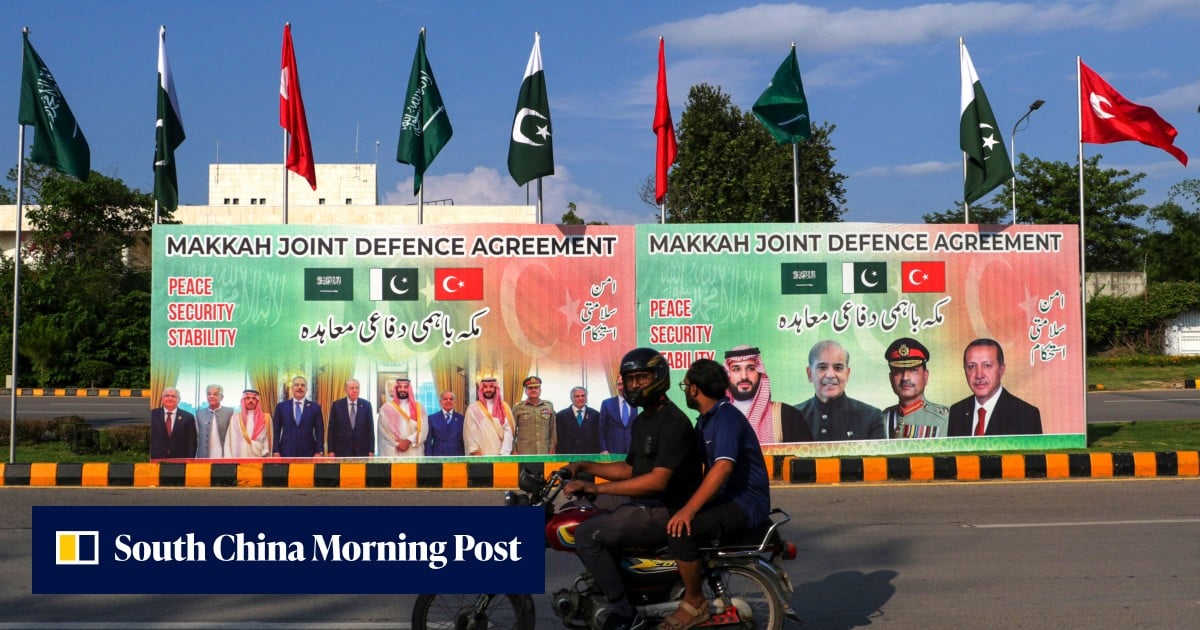
The longstanding security arrangement between the United States and Gulf nations is beginning to show signs of strain, which analysts suggest may allow Beijing to increase its influence within the region.
Shifting Alliances in the Gulf
For many years, countries like Saudi Arabia and their neighboring Gulf states depended heavily on the protective support of the United States. This partnership has provided a robust defensive umbrella, ensuring regional stability against various threats. In return, the U.S. has benefitted from access to vital energy resources and has solidified its influence over Middle Eastern affairs. However, recent geopolitical shifts indicate that this relationship might not be as secure as it once was, leading to potential power vacuums that could be exploited by other nations, particularly China.
New Defense Pact in Mecca
A recent agreement, inked in Mecca, highlights the evolving dynamics in the Gulf region. This pact establishes that any armed aggression against one member will be treated as an attack against all, reminiscent of NATO’s Article 5 principle. This move signifies a readiness among Gulf nations to forge their own security frameworks, independent of U.S. oversight, a significant departure from decades of reliance on Washington. The implications of such a shift could reshape alliances, not only within the Gulf but across the broader international landscape.
The Rise of Independent Alliances
The emergence of this defense pact is especially notable given its rarity since the early days of the Cold War. Historically, sovereign nations have been hesitant to formalize alliances outside the strong influence of superpowers. The Mecca agreement could serve as a template for similar arrangements among middle-power nations worldwide. As countries seek to assert greater control over their military strategies and regional affairs, this could lead to a redefinition of international norms surrounding defense and alliances.
Repercussions for Global Security Partnerships
The changes within the Gulf also pose challenges for other powers, including India, which may find it necessary to reevaluate its own security strategies. With Gulf nations seeking new avenues for defense collaboration, the balance of power in the region is shifting. This emerging landscape indicates that other nations need to be proactive in formulating their own alliances to navigate potential geopolitical uncertainties effectively. As countries assess their security partnerships, the dynamics initiated by this new pact could reverberate well beyond the Middle East.
Through these developments, it’s clear that the historical security paradigm involving the U.S. and Gulf states is at a crossroads. As these nations explore self-sufficient defense options, they may inadvertently create openings for other powers to step in. The implications of these changes are profound and will require careful monitoring as nations navigate this evolving geopolitical terrain.