
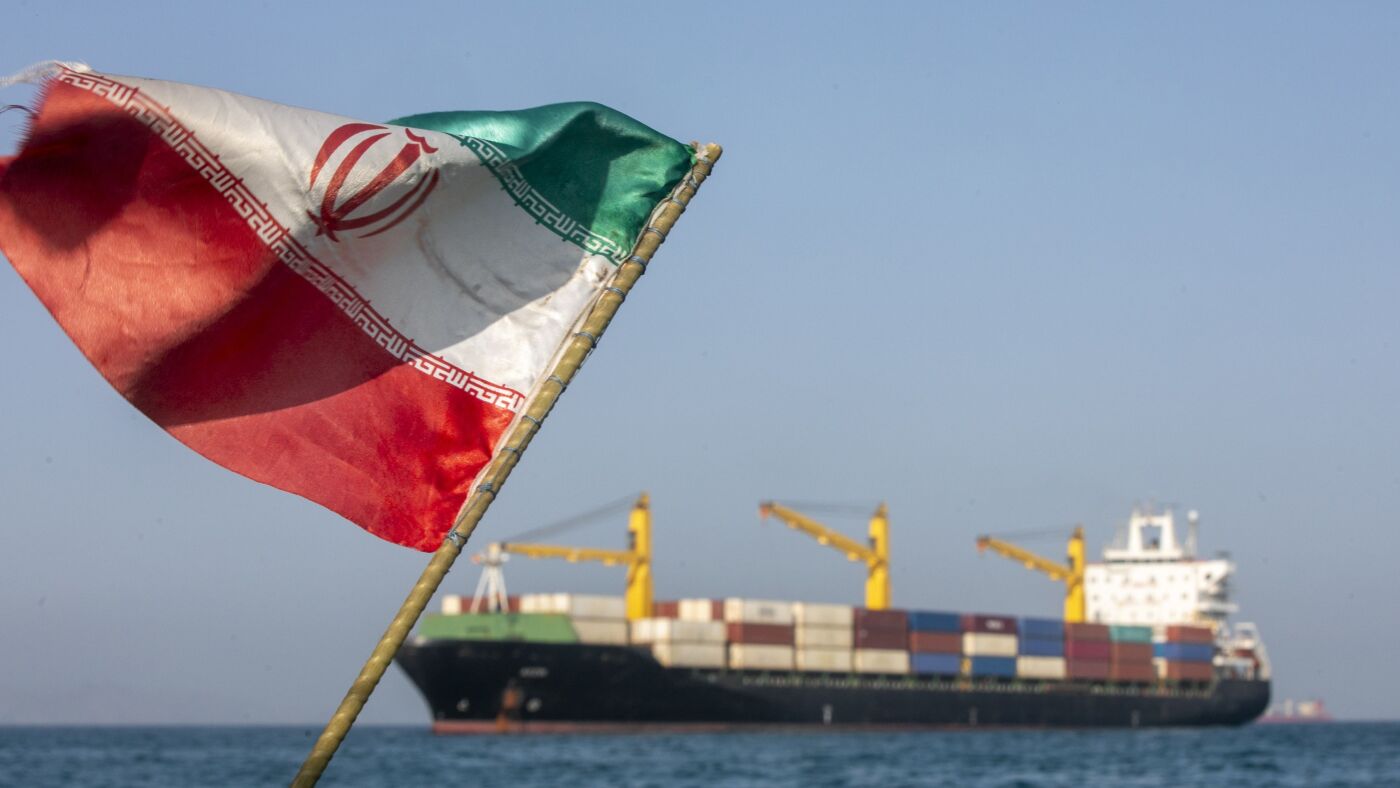
In the context of ongoing geopolitical tensions, Iran’s influence in regional conflicts is increasingly significant. Understanding the dynamics of Iran’s relationships with various allies can illuminate the broader implications for international relations, especially its ongoing rivalry with the United States.
The Axis of Resistance in the Middle East
Iran has cultivated a robust alliance system often referred to as the “Axis of Resistance.” This coalition includes active players like Hezbollah in Lebanon, Houthi rebels in Yemen, and various Iranian-supported factions in Iraq. This network not only strengthens Iran’s position in regional conflicts but also enhances its capacity to project power beyond its borders. By leveraging these alliances, Iran has created a strategic foothold, undermining U.S. interests and altering the power dynamics in the Middle East.
How Alliances Shape Conflict Dynamics
Peter Salisbury, a respected academic at Columbia University’s School of International and Public Affairs, highlights the role of the Axis of Resistance in shaping modern warfare. The interconnectedness of these groups allows Iran to coordinate actions and resources, presenting a more formidable challenge to adversaries. This tactical collaboration entails shared intelligence, logistics, and military capabilities, which significantly complicate the prospects for resolution in ongoing conflicts. Moreover, the backing of regional allies effectively extends Iran’s influence, allowing it to engage in asymmetric warfare that utilizes proxy forces for its strategic objectives.
Implications for U.S. Policy
For the United States, this complex web of alliances presents a multifaceted dilemma. Traditional approaches may no longer suffice, as direct military engagement or sanctions can often lead to unintended escalation or further entrenchment of Iranian influence. Policymakers must consider new strategies that account for the realities on the ground, including engaging diplomatically with Iran’s allies or reevaluating existing military commitments in the region. Ultimately, the U.S. must navigate these challenges wisely to recalibrate its approach in a rapidly changing geopolitical landscape.
In summary, Iran’s establishment of the Axis of Resistance not only showcases its military capabilities but also its aptitude for strategic alliances in destabilizing regions. As the interplay of these relations continues to evolve, it will be crucial for global leaders and analysts to dissect the ramifications for lasting peace and stability in the Middle East. Understanding the intricate networks that define this new paradigm is essential for formulating effective responses and strategies moving forward.