
Giorgio Cafiero serves as the CEO of Gulf State Analytics and holds positions as an adjunct assistant professor at Georgetown University and an adjunct fellow at the American Security Project. The relationship between Saudi Arabia and the United States has reached a tense juncture, particularly in light of recent escalations in the Saudi-Houthi conflict. Following a period of reduced hostilities after the April 2022 truce, the conflict reignited in July, with Houthi attacks emphasizing the volatility of the situation in the region.
The Geopolitical Stakes in the Red Sea
The ongoing unrest has significant implications for global trade and regional security. With the Strait of Hormuz under immense strain, the Houthis’ increased control over the Bab al-Mandab Strait poses a serious risk to crucial maritime routes. This strait is vital for Saudi Arabia, providing a pathway from the Red Sea to the Indian Ocean, which is essential for its energy exports to Europe and Asia while circumventing the already pressured Strait of Hormuz. The size and scope of Saudi energy operations mean that disruptions in this area could have repercussions far beyond immediate regional interests.
As confrontations escalate, Saudi Arabia is grappling with the reality that Washington is hesitant to transition from offering intelligence and support to engaging in direct military strikes against the Houthis. This contrasts sharply with the US response during the 1990–91 Gulf War when the George H. W. Bush administration mounted a significant military presence to repel threats. This stark difference raises questions about the durability of the US-Saudi relationship in current geopolitical conditions.
Changing Tides in US-Saudi Relations
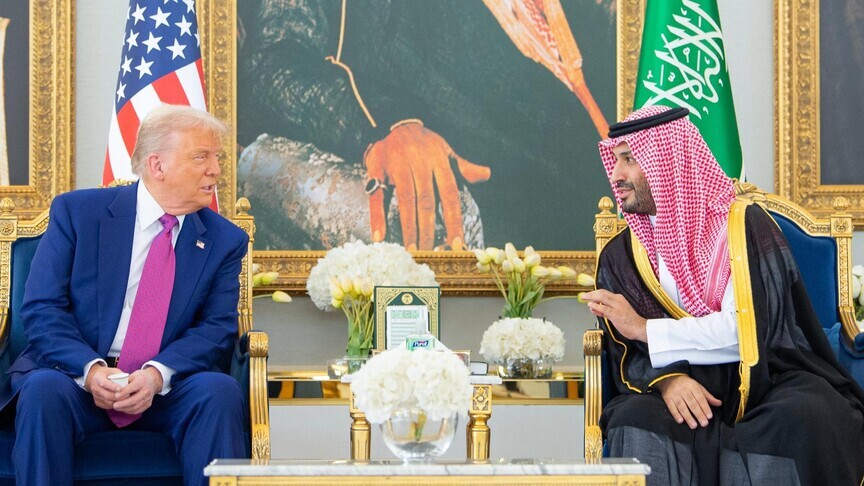
Multiple political dynamics affect the US-Saudi partnership today. Despite the personal rapport between US President Donald Trump and Crown Prince Mohammed bin Salman, the Trump administration appears reluctant to commit to a more aggressive military stance, emphasizing the need to weigh the strategic costs involved. Given the proximity of the November midterm elections, there are growing domestic pressures on the Trump administration to prioritize American interests, particularly freedom of navigation, at the expense of direct military involvement.
The disappointment felt by Riyadh over the US response—or lack thereof—illustrates potential fractures within this long-standing alliance. The Saudi leadership has historically viewed the United States as its primary security partner, and the absence of direct intervention from Washington has prompted frustration and fears that the US may not fully appreciate the strategic significance of their relationship, established as far back as the Roosevelt presidency.
Towards a Sustainable Security Framework
In light of heightened tensions, Riyadh may need to reconsider its reliance on the United States for long-term security. Practical action is critical, especially given the volatile environment of Houthi-led attacks. The urgency of this situation may accelerate Riyadh’s efforts to diversify its international alliances, potentially diminishing its long-standing dependence on US support—a trend that was already emerging before conflict escalated in July.
However, Saudi decision-makers are also acutely aware of the limitations inherent in this strategy. Despite uncertainties surrounding US security provisions, no other global power currently possesses the capacity or willingness to fulfill the role long held by the United States. To secure their long-term future, Gulf states need a more autonomous security structure, rooted in shared commitments to peace and stability within the region.
The emergence of a collective security framework that includes all regional players, including Iran and Turkey, could pave the way for a more stable Middle East. Continued collaboration among nations on shared challenges—ranging from resource management to economic development—could also mitigate conflicts, allowing for a more durable peace and reducing tensions that often lead to hostilities. Though the path to such an arrangement is fraught with challenges, taking steps toward a mutually beneficial framework could enhance security throughout the region.