
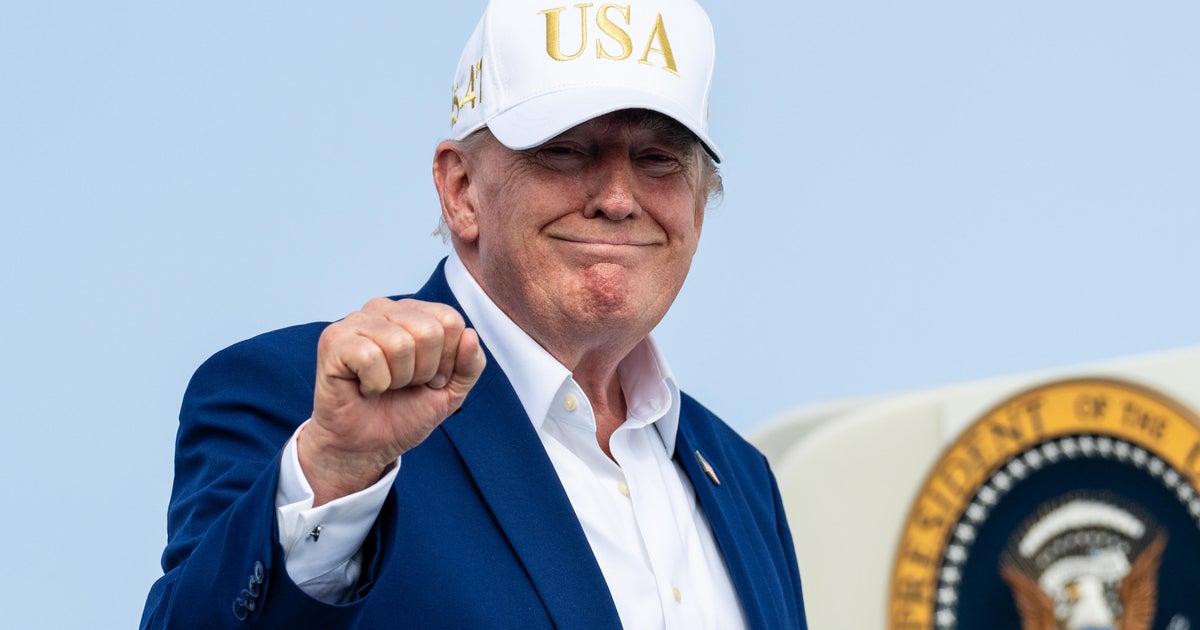
The geopolitical landscape continues to shift, highlighting the complex dynamics between nations, particularly in the Middle East. Recent statements from U.S. President Donald Trump, alongside military actions in Yemen and positions on the Gaza conflict, illustrate the tension and challenges faced by these regions.
U.S.-Iran Relations: A Cautious Standoff
President Trump recently revealed that negotiations with Iran are “low-key,” emphasizing a strategy that allows economic pressure to build on Tehran. In an interview, he characterized the U.S. relationship with Iran as “semi-negotiating,” suggesting a wait-and-see approach while the Iranian economy suffers. He noted Iran’s significant inflation and financial instability as key factors in the ongoing pressure campaign.
Trump described the situation as “a chess game,” indicating confidence that outcomes will eventually favor the U.S. He asserted that the economic blockade, particularly concerning the Strait of Hormuz, is contributing to Iran’s “very bad shape.” This illustrates the broader strategy of using economic leverage while avoiding direct confrontation, though it remains to be seen how this will evolve.
Escalating Attacks in Yemen by Houthi Rebels
In Yemen, Iranian-backed Houthi rebels have intensified their military operations, recently targeting the port city of Mocha for the second time within a day. This shift in tactics raises concerns about the implications for regional stability. According to sources aligned with the Houthi, military objectives included weapons depots and Saudi troop concentrations.
Reports confirm that residential areas were hit, resulting in multiple casualties, including both military personnel and civilians. The Yemeni Armed Forces stated that their air defenses managed to intercept several drones during these assaults. This attack underscores the ongoing humanitarian crisis and the dangers facing civilians in conflict zones.
Fayed al-Noman from Yemen’s information ministry noted significant damage to infrastructure in Mocha, a crucial port for the Yemeni government. The attacks not only disrupt local trade but also threaten vital supplies. The Houthis, proclaiming their military stance, also claimed responsibility for targeting an Aramco refinery in Saudi Arabia, indicating the deepening hostilities in the region.
Israel’s Firm Stance on Gaza and Hamas
Meanwhile, Israeli Prime Minister Benjamin Netanyahu has firmly opposed a U.S.-backed peace initiative concerning Gaza. In a cabinet meeting, he declared there would be no withdrawal of Israeli forces until Hamas is thoroughly disarmed. This rejection appears aimed at appeasing Netanyahu’s right-wing supporters as elections loom.
Netanyahu’s remarks reflect the complex and often contentious relationship between Israel and Hamas, with security concerns at the forefront of his strategy. He emphasized that military actions will persist to protect Israeli citizens and forces, reinforcing the ongoing cycle of conflict and mistrust in the region.
Iran’s Demands Regarding the Strait of Hormuz
Amid these developments, Iran’s Supreme National Security Council has made its position clear regarding the Strait of Hormuz. They stated that the strait will remain closed to U.S. vessels unless America “corrects its behavior.” This includes demands such as an end to military threats, withdrawal of U.S. forces from the region, and substantial reparations for damages incurred by Iranian interests.
Such statements not only complicate the potential for diplomatic negotiations but also indicate Iran’s determination to assert control over vital maritime routes. As tensions mount, the future of U.S.-Iran relations, along with the broader security situation in the Middle East, looks increasingly precarious.
In summary, the intricate interplay of military action and political rhetoric in these regions underscores the volatility of international relations, where each move can significantly impact the broader geopolitical landscape.