
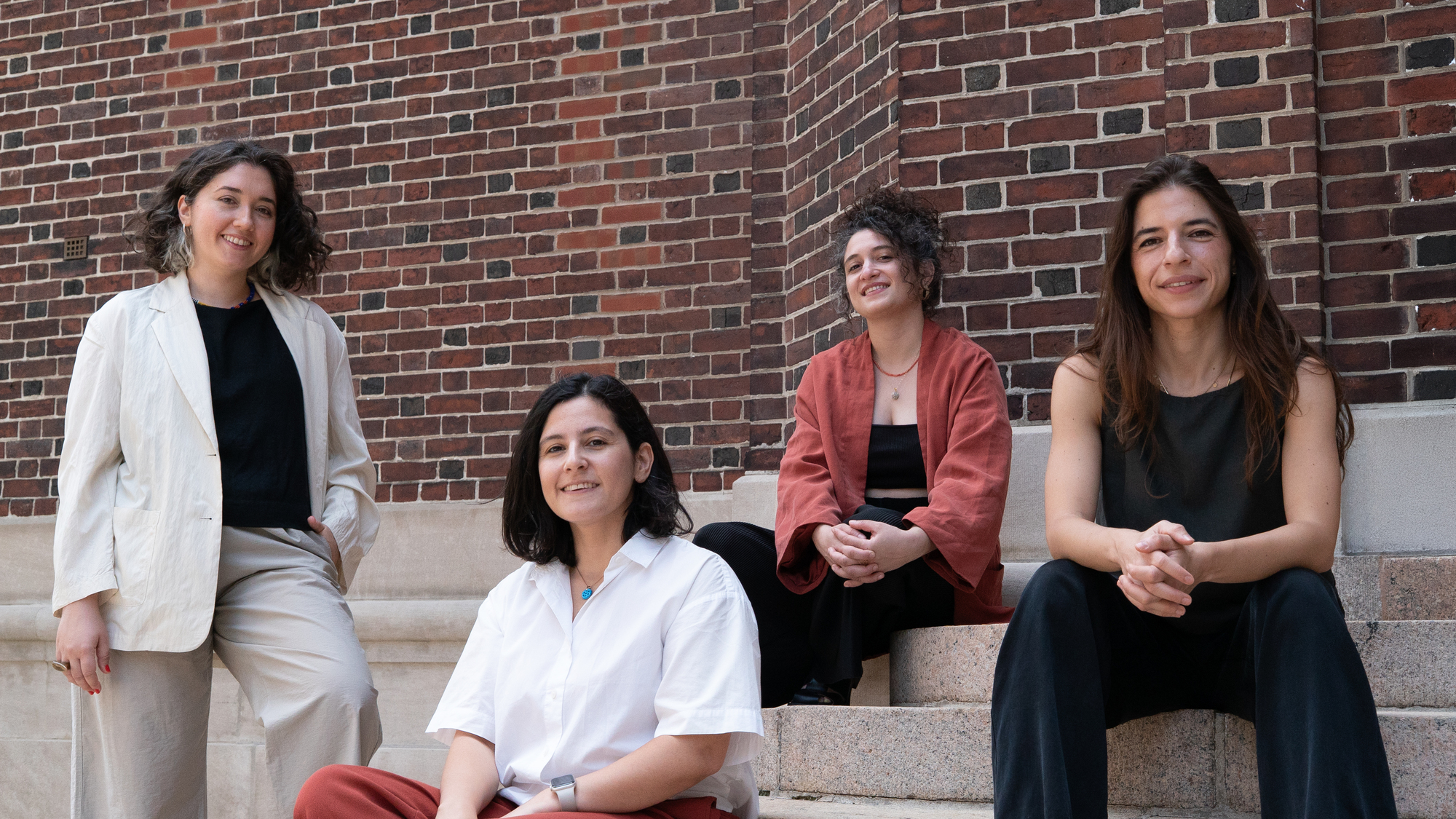
The Türkiye Pavilion has revealed its theme for the 2027 Venice Architecture Biennale, titled “Spolia Futures.” This exhibition, which will run from May 8 to November 21, 2027, will delve into the concept of spolia—referring to the reuse of architectural fragments—as a progressive architectural approach. Curated by the collective known as ba-be commons, the pavilion aims to challenge traditional views of architecture by exploring the interplay between memory and material reuse.
Exploring the Concept of Spolia
The term “spolia” traditionally emphasizes reconstructing and repurposing existing materials within design practices. The curatorial team, comprising Başak Eren, Asya Ece Uzmay, Beril Sarısakal Erkent, and Ece Yetim, seeks to present spolia not just as a historical endeavor, but as an innovative architectural strategy that can foster environmental and social sustainability. Their work examines how these inherited materials can create meaningful relationships between architecture, ecology, and community.
The overarching themes of the exhibition include coexistence, memory, and ecological responsibility. By engaging with these elements, “Spolia Futures” embodies a holistic vision where architecture is viewed not merely as a static construct but as an ongoing narrative that incorporates history, culture, and future potentials. This discourse aims to enlighten visitors about the value of what has been inherited while encouraging a reconceptualization of our built environment.
Connections to Türkiye’s Architectural Traditions
The pavilion intends to draw from Türkiye’s rich history of material reuse and craft-making, advocating for a shift from extractive to circular models of architecture. Within this framework, spolia becomes a regenerative practice, prompting reflections on broader issues of cultural continuity and environmental stewardship. This engagement with past materials is not relegated to mere preservation; rather, it serves as a catalyst for innovation and community-building in addressing today’s architectural challenges.
Future exhibitions will draw inspiration from “Spolia Futures,” emphasizing how current practices can shape new dialogues surrounding architecture and memory. By spotlighting these connections, the Türkiye Pavilion is poised to engage both local and international audiences in meaningful discussions about the future of our architectural landscapes.
An Invitation to Reflect and Engage
As the pavilion prepares for the Venice Biennale, it builds on the success of its earlier exhibition, “Grounded,” which explored soil as a material and cultural agent. By focusing on the reuse, repair, and adaptive nature of materials, “Spolia Futures” extends dialogues initiated at past biennales, emphasizing the evolving relevance of the built environment.
The pavilion’s focus aligns seamlessly with the broader theme of the 2027 Venice Architecture Biennale, which is set to challenge participants to consider how architecture can exist harmoniously within our evolving realities. As national pavilions are revealed, there is an anticipation of rich exchanges of ideas that will contribute to a more sustainable future for all.
In conclusion, the Türkiye Pavilion’s “Spolia Futures” is not merely an exhibition; it’s a philosophical exploration of architecture’s potential to reimagine the past while preparing for a sustainable future. It encourages a collective reflection on how heritage, memory, and innovation can intertwine to create spaces that resonate with both our history and aspirations for the future.