
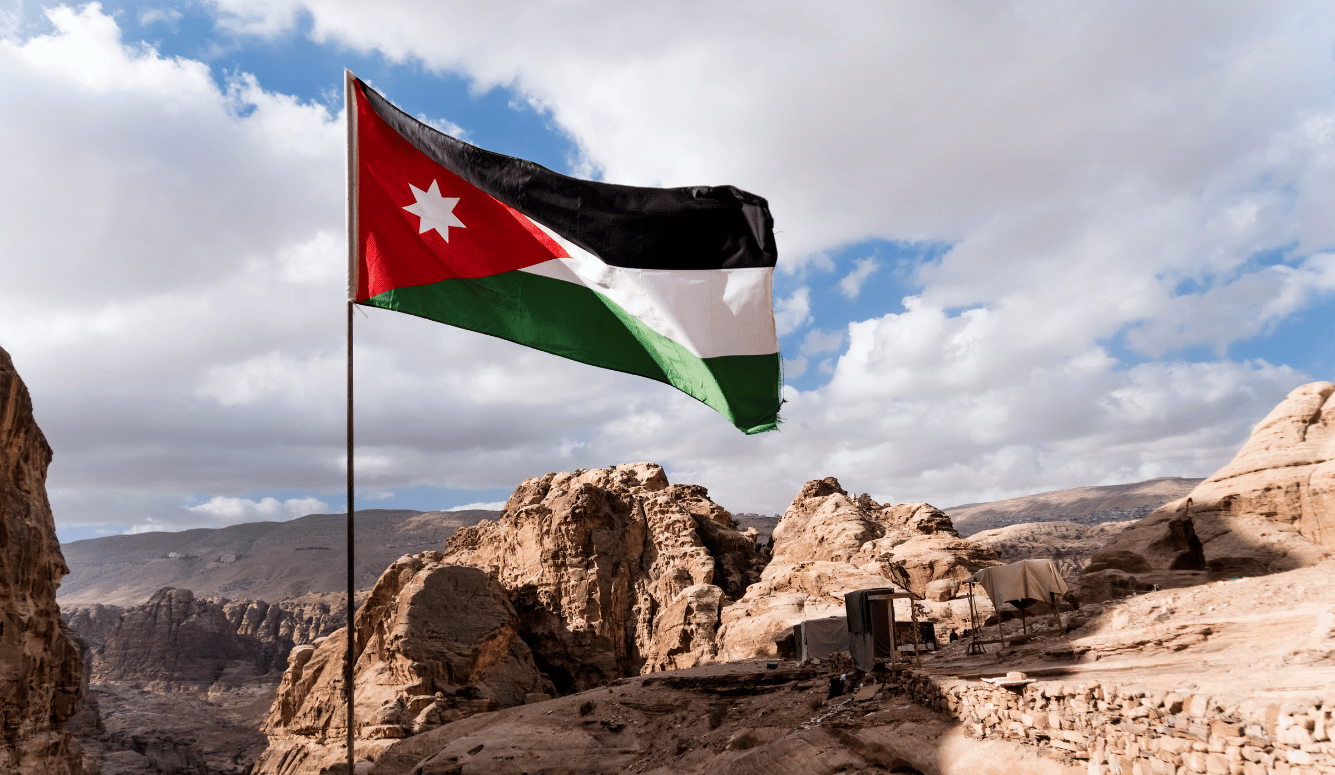
In late November 2023, I attended a discreet roundtable discussion at the Jordanian Embassy in London. Ambassador Manar Dabbas addressed the ongoing regional crisis with a surprisingly calm demeanor, as though he were commenting on the results of a recent football match. The context was grim: approximately 1,200 Israelis, predominantly civilians, had lost their lives, around 250 had been kidnapped and taken to Gaza, and extremist rhetoric was gaining traction globally. Despite this chaos, Dabbas underscored the urgency of de-escalation and urged Israeli restraint, humorously noting Jordan’s precarious position between two adversarial nations, saying, “we sometimes joke among ourselves that we are located between Iraq and a hard place.”
Rising Tensions in the Region
Fast forward nearly three years, and the gravity of that statement has become all too evident. Hostilities have reignited between the U.S. and Iran, triggered by a breakdown of a brief agreement aimed at curtailing their conflicts. The Islamic Revolutionary Guard Corps (IRGC) has escalated its military operations across the Gulf. In a noteworthy development, Israel and Lebanon have made significant diplomatic strides, marking a departure from years of hostility, having formulated a framework for disarming Hezbollah and facilitating the Israel Defense Forces’ (IDF) exit from southern Lebanon. Meanwhile, Iraq and Syria are taking proactive measures against Iranian-backed militias while seeking to strengthen their relationships with Washington.
Furthermore, the U.S.-supported Board of Peace is pressuring Hamas for complete disarmament in Gaza, where the organization is reportedly dismantling its bureaucratic structures. In Ramallah, Palestinian Authority President Mahmoud Abbas has announced plans for legislative elections on November 28, the first in nearly 20 years. As various countries scramble to define the “day after” this unprecedented turmoil, Jordan noticeably lacks a cohesive strategy of its own.
Jordan’s Vulnerable Position
Jordan’s geographical landscape does not favor its stability. Over the last two decades, the nation has contended with a narcoterrorism crisis from the north, largely instigated by Hezbollah-affiliated networks in Syria. The downfall of Bashar al-Assad’s regime in December 2024 has somewhat disrupted these channels. To the east, Jordan has consistently faced challenges from Iranian-aligned Iraqi militias, including Kataib Hezbollah, and recently, direct threats from Iran itself. The western frontier with the Palestinian Authority (PA) is fraught with clandestine trafficking networks that engage in arms smuggling and human trafficking, making it a persistent challenge. To the south, Saudi Arabia stands as the only relatively stable neighbor, despite historical rivalries between the two Arab nations.
In the past, Jordan’s strategic interests were often at odds with those of Saudi Arabia, especially following the 1974 Arab League summit in Rabat, where Riyadh compelled King Hussein to accept the Palestine Liberation Organization (PLO) as the “sole representative of the Palestinian people.” This move essentially crushed Jordan’s aspirations of a renewed administrative role in the West Bank post-1967. Relations between Jordan and Saudi Arabia have strengthened in recent years, aligning their strategic goals. However, Saudi Arabia faces its own challenges, including financial strains and a populace heavily influenced by years of Islamist indoctrination, further complicating the regional geopolitical landscape.
As tensions heighten and alliances shift, the need for Jordan to develop a comprehensive strategy to navigate these turbulent waters has become increasingly urgent. With neighboring nations actively positioning themselves, Jordan’s absence of a clear plan could leave it vulnerable to the adversities that surround it. Instability in the region not only poses risks to Jordan’s borders but also threatens the broader stability of the Middle East, emphasizing the imperative for thoughtful strategy and diplomatic engagement.