
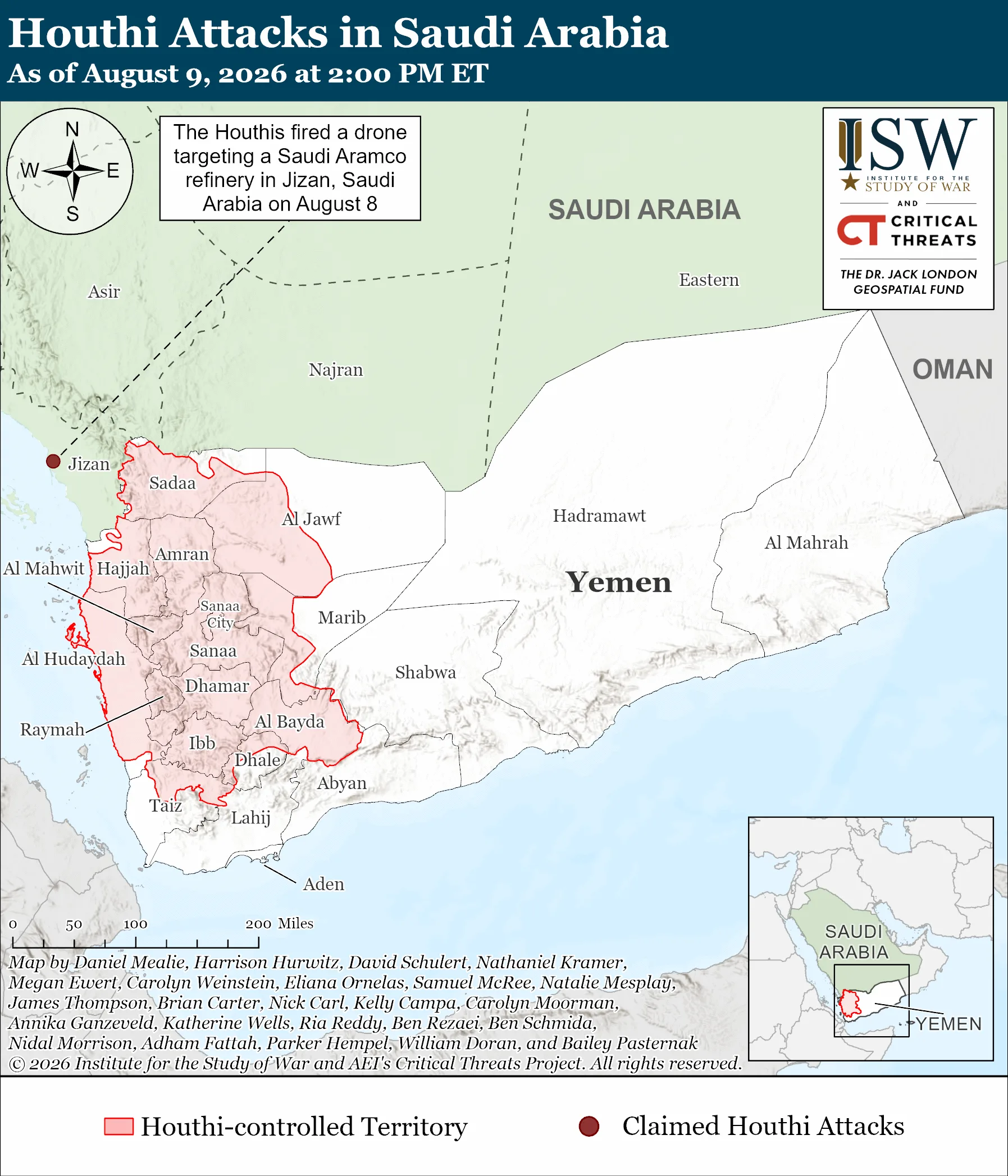
Recent developments in the ongoing conflict in Yemen have seen a renewed wave of Houthi assaults directed at Saudi Arabia. These attacks illustrate the persistent volatility in the region and the complex dynamics at play, reflecting the Houthis’ capability and intent to engage in aggressive military strategies.
Overview of Houthi Military Actions
On August 9, 2026, reports emerged highlighting a series of Houthi strikes targeting Saudi Arabian territories. The Houthis, a Yemeni rebel group with deep ties to Iran, have been active participants in the prolonged civil war that erupted in Yemen over a decade ago. These recent offensives signify the group’s operational reach and its willingness to leverage strikes beyond the borders of Yemen, which has been a staple of their military operations in recent years. The sustenance of such military activities raises questions regarding the effectiveness of Saudi’s defense systems and the overarching regional stability.
Impact on Saudi National Security
The frequency of Houthi attacks poses significant concerns for Saudi Arabia’s national security. The nation has invested heavily in advanced military technologies and defense systems, specifically designed to mitigate aerial threats like those posed by the Houthis. Yet, the continuous emergence of these assaults speaks to the ongoing vulnerabilities within Saudi defense protocols. As regional power dynamics shift, Saudi leadership must reevaluate its security strategies, balancing military responses with diplomatic initiatives to address the root causes of this persistent conflict.
Regional Repercussions of Houthi Actions
The ramifications of the Houthi strikes extend beyond the borders of Saudi Arabia. Such military maneuvers serve to heighten tensions not only in Saudi-Yemeni relations but also in the broader Middle Eastern geopolitical landscape. Iran, often viewed as a supporter of the Houthi movement, may perceive these developments as strategic victories, which could embolden further aggression. Conversely, if Saudi Arabia perceives these strikes as an existential threat, it may lead to heightened military engagement or retaliatory actions that could spiral into broader conflict, involving regional powers.
Potential Paths Forward
Moving forward, it is essential for both Saudi Arabia and the Houthis to consider pathways that could lead to de-escalation. A focus on diplomatic negotiations may provide a suitable platform to address ongoing grievances and offer a space for mediated discussions. The international community, particularly entities associated with peacekeeping and conflict resolution, can play a pivotal role in facilitating constructive dialogue. The stakes are significant, as a protracted conflict can exacerbate humanitarian crises and stall potential economic recovery, especially in Yemen, where the humanitarian situation remains dire.
In summary, the ongoing Houthi attacks on Saudi territories underscore the fragile nature of peace in the region. As both sides navigate this turbulent landscape, the need for a balanced approach that incorporates military readiness alongside diplomatic endeavors is critical for achieving long-lasting stability. Only through comprehensive dialogue and collaborative efforts can there be hope for a resolution that benefits both nations and contributes to regional peace.