
Hasan Piker Stirs Controversy with Provocative Comments on Hamas
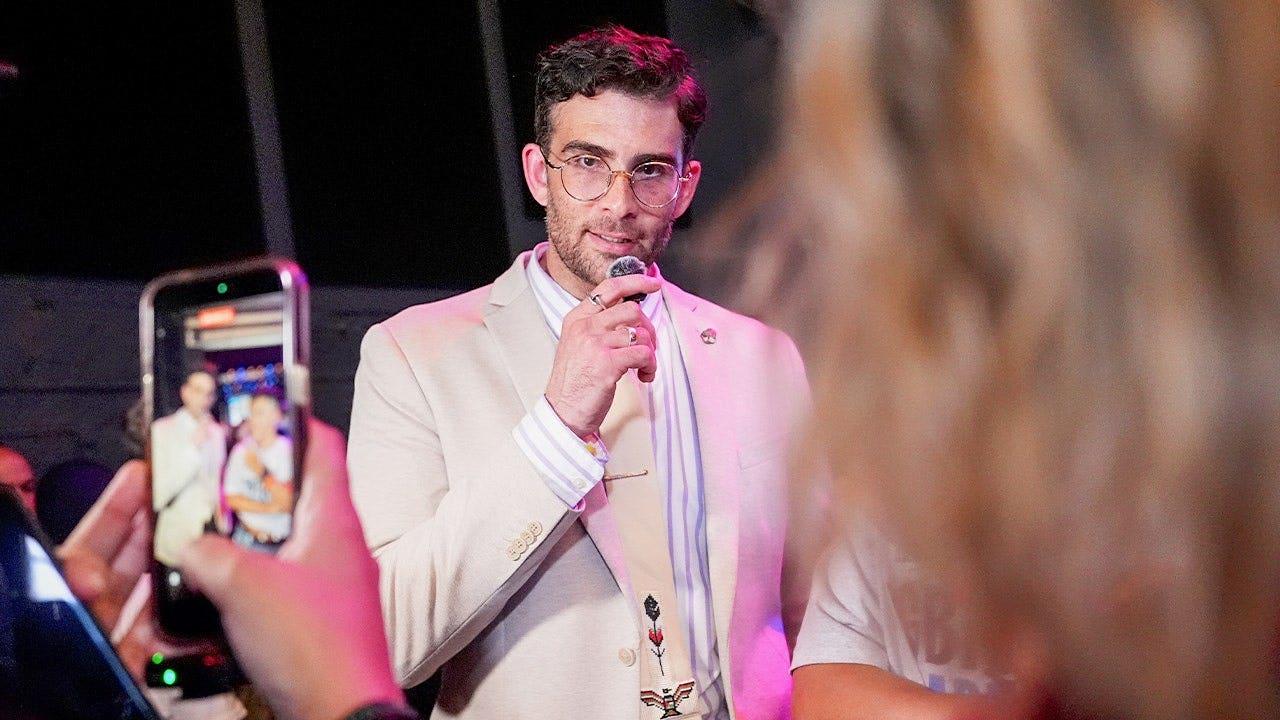
Twitch streamer Hasan Piker has ignited a fiery debate with his recent controversial remarks about Hamas and Israel. On a Sunday interview, Piker doubled down on his assertion that Hamas is “a thousand times better than the fascist settler colonial apartheid state” of Israel. Despite facing significant backlash, he explained that his confrontational stance is intentional, aiming to provoke genuine thought and discussion among his audience.
Deliberate Provocation and Its Implications
In his comments, Piker openly admitted the provocative nature of his statements. During an interview with Rolling Stone Magazine, he stated, “I say that on purpose. I want to force people to really think about what I’m saying. I want to challenge them to think about it a little bit.” This statement highlights Piker’s strategy to engage viewers in critical thinking concerning highly divisive topics like the Israeli-Palestinian conflict.
Though acknowledging that a more diplomatic phrasing might alienate fewer people, he maintained that his direct approach is more aligned with his communication style. In a previous post, he indicated that he is often criticized for taking a stance that challenges the status quo, adding humor to the situation by claiming that the backlash he faces is a consequence of “having the correct position too early.” This suggests that he believes his perspective may eventually be more widely accepted.
Understanding the Context of Conflict
Piker emphasized the importance of contextualizing the actions of Hamas. He stated, “I’m not interested in the many bad things Hamas has done. I’m trying to get people to understand why someone becomes Hamas.” His goal appears to be to encourage viewers to empathize with the Palestinian perspective, shaped by a long history of occupation and conflict. He argues that understanding the experience of those living under oppressive conditions can illuminate why radicalization occurs, even if he does not condone all of Hamas’s actions.
In light of his statements, a recent poll from Rolling Stone suggested that Democratic Party members lean slightly more favorable toward Palestinians compared to Israelis, indicating that opinions on this issue may be evolving. Piker’s views could then be seen as reflective of a broader trend within certain political circles, despite the backlash from more traditional bases.
The Backlash and its Broader Impact
Piker’s remarks have drawn not only public outrage but also criticism from organizations like the Anti-Defamation League (ADL). The ADL has condemned his statements, asserting that by downplaying Hamas’s actions while advocating for their standpoint, Piker is providing a platform for views many consider extremist. They argue that public figures with significant audiences should be cautious of the implications their words carry, especially regarding sensitive topics like terrorism and violence.
Despite the criticism, Piker remains defiant. He views his livestreams as a performance, designed to spark debate and engage audiences more effectively than traditional, sanitized discourses. “In some ways it is a performance,” he said, explaining that his aim is to reach people in an understandable way, even if it involves ruffling feathers.
In conclusion, Hasan Piker’s controversial comments bring to light not only his personal views but also the larger discourse surrounding the Israeli-Palestinian conflict. As he continues to push boundaries, discussions about the implications of his rhetoric on platforms like Twitch may spur a reevaluation of how sensitive topics are communicated in public forums.