
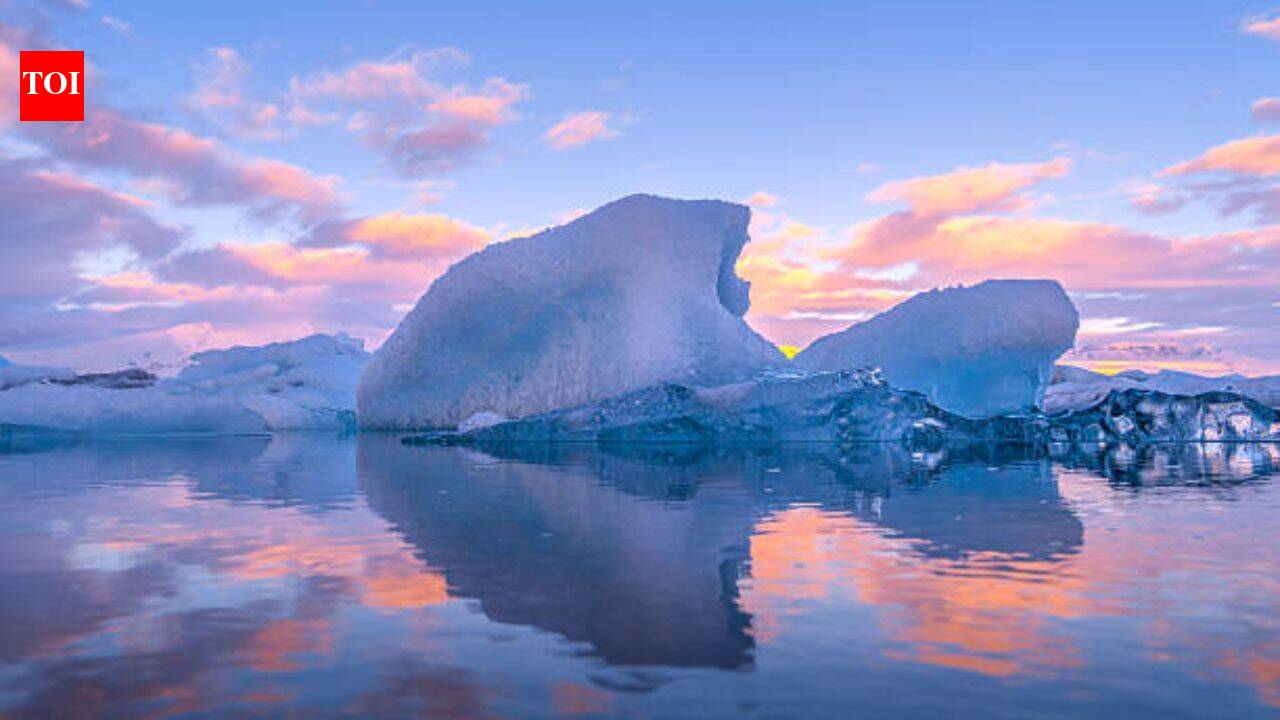
In a striking blend of extravagance and innovation, a Saudi prince once attempted to address a critical resource issue through an unconventional stunt. In 1977, Mohammed bin Faisal, son of the then-reigning king, showcased a bold vision by towing an Alaskan iceberg to Iowa. This extraordinary act wasn’t just a display of wealth; it was a clarion call for sustainable solutions to escalating freshwater scarcity, a challenge that continues to resonate today.
The Purpose Behind the Iceberg Transport
The initiative to import an iceberg to Iowa was not merely a spectacle. Prince Mohammed bin Faisal aimed to highlight the potential of icebergs as an alternative source of fresh water, especially for regions with limited natural freshwater reserves. His extensive experience leading Saudi Arabia’s desalination efforts allowed him to grasp the economic realities of transforming seawater into drinking water. Desalination, while effective, comes with significant costs and energy demands—factors that drive up the price of drinking water in arid regions.
With a population burgeoning amidst a climate that offers scant natural water, Saudi Arabia had to find feasible alternatives to maintain its citizens’ needs. Reports from that time suggested that Faisal found the logistics of towing icebergs to regions in need promising enough to warrant attention. His ambitious plan envisioned the transportation of massive Antarctic icebergs across thousands of miles to alleviate water shortages in countries relying heavily on desalination.
The Challenges of Towing Icebergs
Though the vision was compelling, the engineering hurdles proved daunting. At the conclusion of the Iowa conference, Prince Mohammed expressed optimism, predicting the successful transportation of an iceberg within a few years. However, the intricacies involved in towing a massive, hundred-million-ton chunk of ice across warm equatorial waters became glaringly apparent. The insulation required to preserve the iceberg’s integrity during the journey posed a formidable challenge.
Additionally, the technological requirements for moving such a heavyweight were far beyond the capabilities of available tugboats. As the years passed, the concept faded from immediate discussion, but it was not forgotten. Engineers, like French engineer Georges Mougin, continued to explore the feasibility of iceberg transport, conducting new simulations with updated data and materials. Ultimately, they found that while the concept remained fraught with difficulties, advancements in technology might make it more plausible than it was in the 1970s.
The Resurgence of Interest
Fast forward to the present; the urgency for solutions to freshwater scarcity has only intensified. The melting of Antarctic and Greenland ice has accelerated in recent decades, prompting renewed conversations around capturing this resource before it becomes ocean-bound. As urban areas face severe water crises, such as Cape Town’s acute shortages in 2018, innovative proposals have emerged once again. Towing Antarctic icebergs to areas like the UAE and southern Africa has sparked interest, although most projects remain in the study phase.
Recent reports indicate that engineers across various countries are revisiting the concept of iceberg transportation as a viable option to combat water shortages exacerbated by climate change. As conditions evolve and technological advancements continue, the possibilities that Prince Mohammed envisioned nearly half a century ago are inching closer to becoming reality. His dream of securing fresh water from icebergs may someday see the light, given the pressing need for sustainable solutions.
While the Prince passed away in 2017, the conversation surrounding iceberg transport remains alive. The ongoing efforts to balance modern water needs with innovative solutions reflect a persistent hope that transformative ideas can emerge even from seemingly fleeting moments of history. As fresh challenges persist, the lessons from this audacious endeavor serve as a reminder that innovative thinking is crucial in the quest for sustainable resources.