
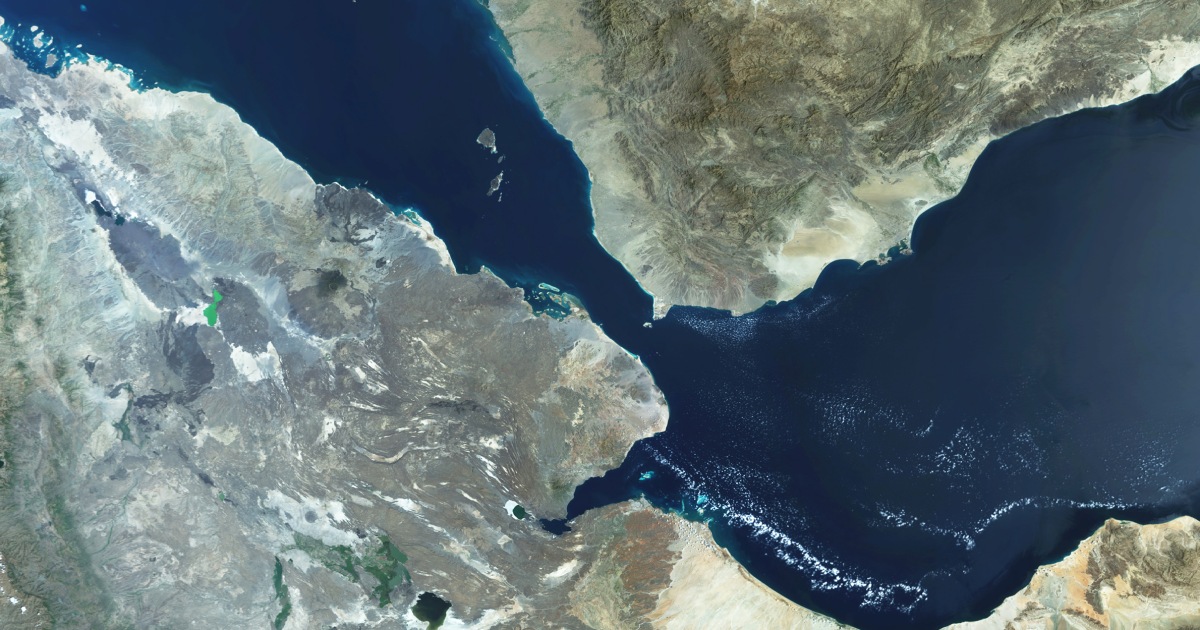
On Tuesday, a tragic incident occurred in the Bab el-Mandeb strait, where an attack by Iran-backed Houthis resulted in the deaths of four crew members aboard a cargo ship. The vessel, identified as the Egyptian-owned Tihamah, was reportedly targeted while allegedly transporting military equipment related to Saudi Arabia. This incident marks the first confirmed fatalities linked to Houthi strikes on shipping since the onset of hostilities involving Iran on February 28.
Details of the Attack
The Yemeni transport ministry confirmed the attack, while the Houthis themselves acknowledged that they had targeted the vessel. Although they did not specify the name of the ship, it is believed to be Tihamah, as evidence corroborated by ship-tracking data and satellite imagery supports this identification. Reports indicate that earlier in the day, a vessel in the vicinity of the Bab el-Mandeb strait was struck by an unidentified projectile, raising concerns about maritime security in this crucial shipping lane.
The incident led to tragic consequences, with three Pakistani nationals confirmed dead and one Indonesian crewmember also losing his life. After the initial strike, two rescuers from the National Resistance Forces, an anti-Houthi military group, were killed when the Houthis launched another attack as rescue teams arrived on the scene. In total, ten individuals sustained injuries, comprising crew members and personnel from the Yemeni Coast Guard.
International Responses and Analysis
In light of the escalating tensions, the Saudi Center for International Communication has not yet responded to queries surrounding the attack. Meanwhile, the British maritime security agency UK Maritime Trade Operations reported recent incidents in the strait, signaling heightened risks for vessels operating in the region. The situation has escalated significantly, with a noticeable 50% drop in shipping traffic through the Bab el-Mandeb strait, particularly following the Houthis’ declaration of a maritime embargo against Saudi Arabia on July 20.
In a related development, U.S. Central Command reported the disabling of another vessel, the Panama-flagged Vela Nova, in the Gulf of Oman. This action occurred after the ship was observed ignoring warnings while attempting to breach a naval blockade related to Iranian ports. These incidents illustrate the growing complexity and dangers faced by merchant vessels in areas plagued by conflict and political tensions.
Impact on Maritime Traffic
Concern over maritime security continues to mount, with the ongoing conflict and embargoes contributing to a significant decline in shipping traffic. Austerity measures instituted against the backdrop of hostilities have drastically reduced the number of vessels navigating the Bab el-Mandeb strait. At present, only an average of 32 ships per day are passing through, a marked decrease from the pre-embargo average of 50 vessels.
The impact of this decline is felt not only by regional stakeholders but also by global trade networks that rely on this vital route. Furthermore, the Strait of Hormuz displays even greater disruption, with only six ships reported passing through recently, a sharp contrast to previous averages that hovered around 130 to 140 vessels per day. This decline emphasizes the urgent need for international diplomatic efforts to stabilize the region and secure safe passage for maritime trade.
Ongoing developments in Yemen and the surrounding waters pose an increasing threat to global shipping and trade. As tensions between various factions continue to simmer, the international community remains watchful for further escalation, the implications of which may reverberate far beyond the immediate geopolitical landscape.