
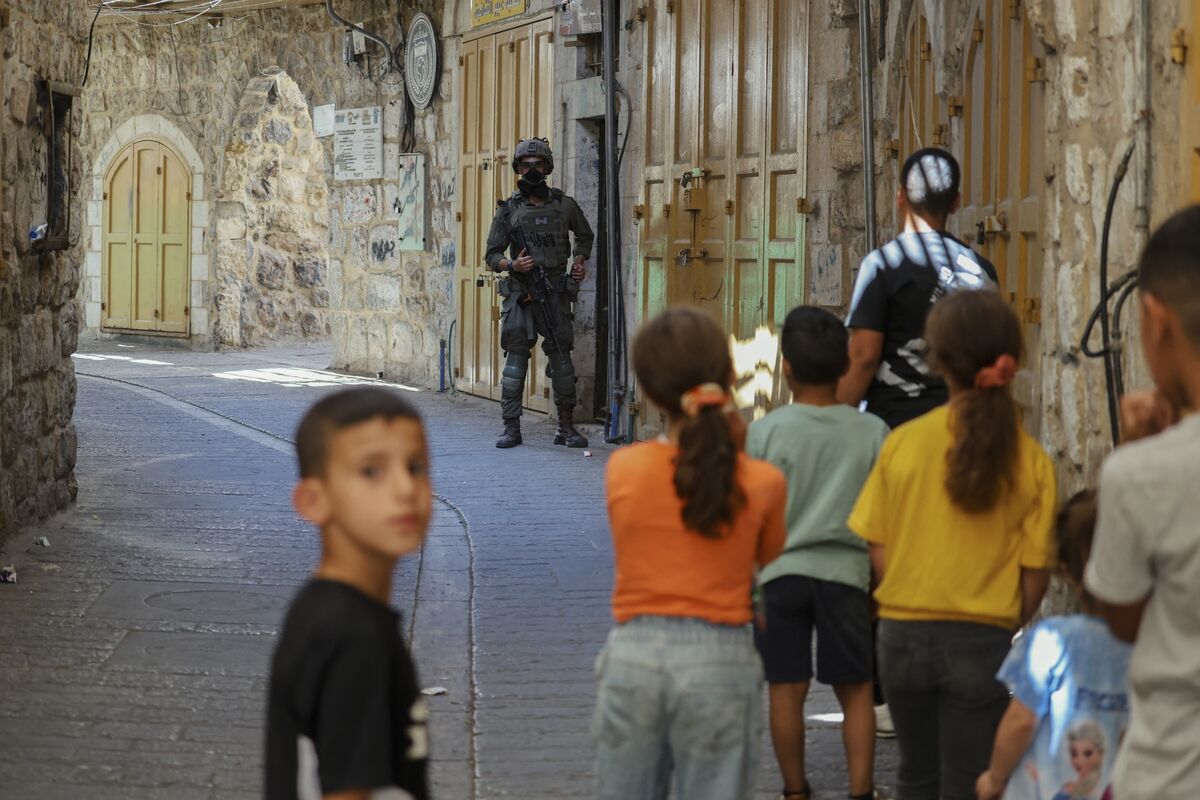
Israel’s upcoming election could potentially mark the end of Prime Minister Benjamin Netanyahu’s religious-rightist government. However, according to a leading Palestinian diplomat, achieving peace in the West Bank will require significant changes in policy beyond just the election outcome.
The Electoral Landscape in Israel
As Israel prepares for its elections in two months, the political landscape is charged with uncertainty. Netanyahu, a figure synonymous with hardline policies, has faced criticism for his administration’s approach to the Israeli-Palestinian conflict. Voter sentiment is shifting, prompting discussions about a potential change in leadership. However, simply installing a new government would not be sufficient to resolve the deep-rooted issues in the West Bank. The next administration will have to rethink not only its strategies but also its commitments to fostering dialogue and understanding with Palestinian leaders.
Calls for Policy Change
The Palestinian diplomat emphasizes that for true progress toward peace, Israel must undertake a profound reevaluation of its West Bank policies. This includes addressing critical aspects such as settlement expansions, military presence, and restrictions on movement that have long fueled tension in the region. Without substantial adjustments to these policies, any new leadership will find it challenging to build trust or make meaningful strides toward a peaceful coexistence. The insistence on a dialogue-driven approach, rather than one that prioritizes military solutions, has become increasingly vital in the face of ongoing unrest.
The Role of International Community
The international community holds a critical position in this evolving scenario. The United States and other global stakeholders must advocate for policies that support peace and stability rather than exacerbate current conflicts. Increased diplomatic engagement can serve to balance the narratives presented by both Israeli and Palestinian leaders. By fostering an environment where dialogue is prioritized over division, external powers can encourage more productive negotiations. It is essential for international actors to recognize their influence in shaping Israeli policies that could lead to a more stable West Bank.
Looking Ahead
While the upcoming elections signify a possible shift in Israel’s governance, the road to peace in the West Bank remains complicated. The necessary reforms will require courage and commitment from political leaders on both sides. Palestinians are seeking recognition of their rights and aspirations, while Israelis are looking for security and stability. Bridging these aspirations through cooperative policy changes will be vital in establishing a framework that supports peace.
In conclusion, as the Israeli electorate prepares for a significant choice in the coming months, the spotlight remains on the larger question of how policies can be adapted to promote lasting peace in the region. The upcoming changes, both politically and diplomatically, could reshape not only the future of Israel but also the prospects for peace in the West Bank. Without bold policy revisions, the potential for sustainable coexistence remains elusive.