
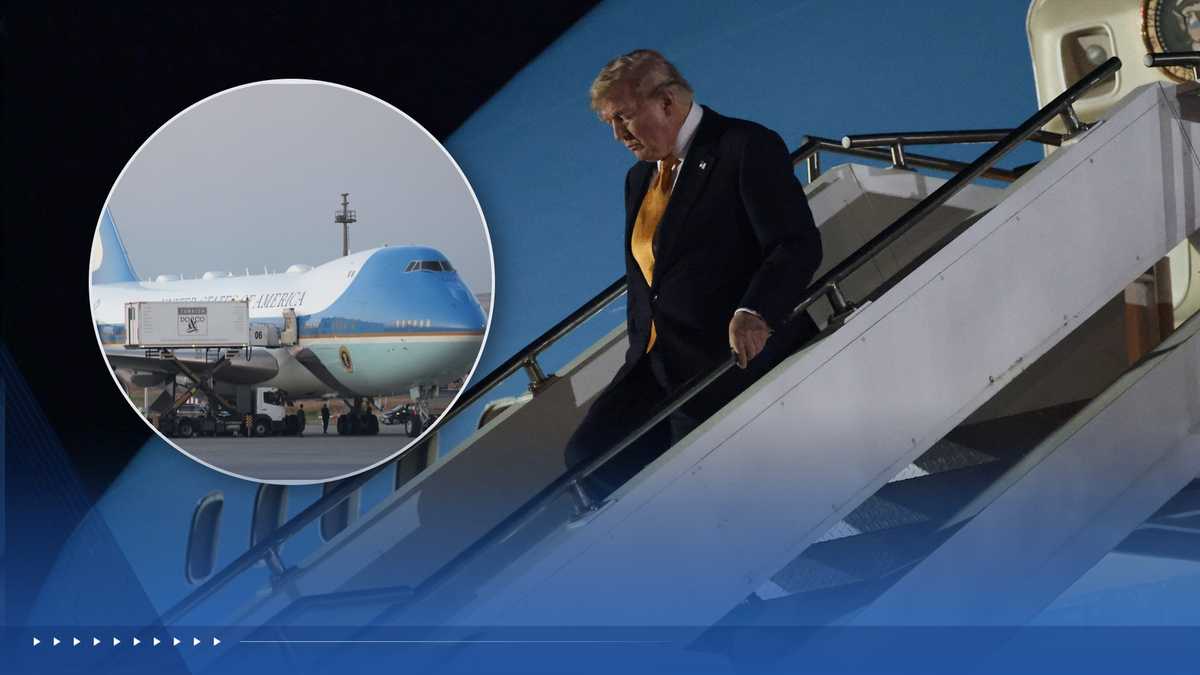
Former President Trump recently revealed that he had to discreetly exit Air Force One during a visit to Turkey. He attributed this rapid departure to the Secret Service’s concerns regarding a potential threat, which prompted them to place him on a “different plane.” This incident highlights the complexities and challenges that accompany the security protocols in place for a sitting president.
Understanding Presidential Security Protocols
Presidential security is a meticulously organized effort, aimed at ensuring the safety of the commander-in-chief at all times. The Secret Service plays a pivotal role in establishing a secure environment during both domestic and international trips. Their protocols are comprehensive, detailing specific procedures for emergency situations, such as perceived threats. The choice of transportation can be influenced by various factors, including intelligence received prior to or during a trip.
In Trump’s case, this incident underscores the heightened alert levels that the Secret Service often operates under, especially when abroad. Security measures must adapt to different geopolitical climates and potential risks that can vary widely in each destination. The Secret Service constantly analyzes intelligence reports to determine if a given location presents any unique threats, which often results in a last-minute shift in transportation arrangements.
The Role of Intelligence in Security Decisions
Intelligence assessments play a crucial role in shaping security decisions for presidential trips. Information gathered from various agencies can dictate the level of threat a president may face, leading to rapid changes in plans. In Trump’s instance, the decision to switch planes indicates that the Secret Service acted promptly based on the latest information available to them. The importance of timely and accurate intelligence cannot be overstated when it comes to making split-second judgments about a president’s security.
Moreover, these scenarios reveal the extraordinary measures taken to ensure the safety of high-ranking officials. Even a small threat can lead to significant adjustments in travel plans, highlighting how seriously security teams take their responsibilities. The Secret Service is continuously engaged in situational awareness, conducting thorough evaluations of the venues and regions where the president is scheduled to speak or visit.
Implications for Future Presidential Travel
This incident may have broader implications for future presidential travel, particularly as security landscapes continue to evolve. It stresses the necessity for robust security measures and constant vigilance on the part of both the Secret Service and intelligence communities. Such experiences can influence how future presidents perceive risks and require them to adapt their travel strategies accordingly.
The increasing complexity of global threats necessitates a proactive approach. As the political climate shifts and challenges arise, each presidential administration must remain adaptable, relying on the expertise of security professionals. Through ongoing evaluations of security protocols and the integration of advanced technology, future presidents can travel with a heightened sense of security and preparedness.
In conclusion, Trump’s experience of hastily departing Air Force One due to a perceived threat serves as a potent reminder of the intricate balance between presidential duties and personal safety. As geopolitical tensions fluctuate, the security of the president will always remain a priority, demanding constant vigilance and adaptability in an ever-changing world.