
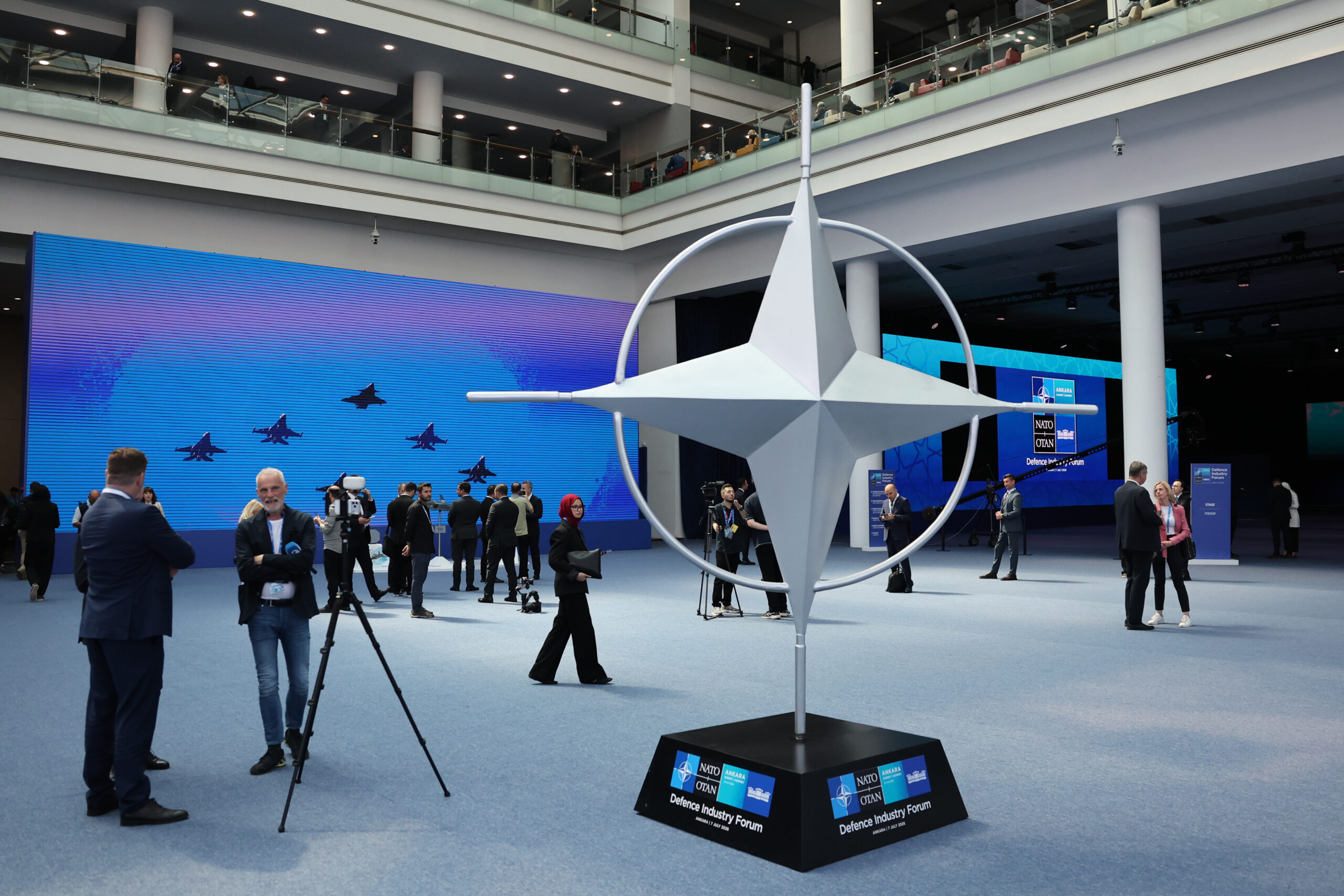
At the recent NATO Summit, Turkey showcased its evolving role within the Alliance, demonstrating ambitions that extend beyond its strategic importance to tangible contributions in defense capabilities. Through its participation in key NATO initiatives and a burgeoning defense industry, Ankara is positioning itself as a vital player in military procurement and production processes.
Transforming Strategic Alliances
Turkey’s presence at the NATO Summit represented a significant platform to assert its contributions, highlighting both its geopolitical influence and its growing defense sector. By formally joining five strategic NATO capability programs—focusing on integrated air and missile defense, long-range strike abilities, space surveillance, essential defense materials, and unmanned systems—Turkey is set to enhance NATO’s overall capabilities. These commitments, announced by NATO Deputy Secretary General Radmila Shekerinska, signal a shift in Turkey’s role as it begins supplying its own air defense, satellite, and communication technologies, which are integral to NATO’s operational strategies. Historically, Turkey has participated in NATO through peacekeeping missions and infrastructure hosting, but this new involvement marks a critical shift toward contributing advanced military assets instead.
Enhancing Indigenous Defense Capabilities
The Turkish defense industry has made significant advancements, particularly in areas like integrated air defense and unmanned systems. The Ankara summit emphasized Turkey’s commitment to providing state-of-the-art technologies for NATO’s future needs. Notably, Turkey hosted the Defense Industry Forum, fostering collaboration among global defense companies and reinforcing Turkey’s capability to meet NATO’s technological requirements. To fully benefit from new initiatives like the NATO Front Door for Industry, Turkish companies must deepen partnerships with allies while exploring joint ventures, particularly in advanced technologies such as fighter jet engines and critical raw materials.
Rebuilding US-Turkey Defense Relations
Turkey’s progress in NATO is closely tied to its ability to repair defense ties with the United States. The recent summit provided a platform for Turkish officials and U.S. representatives, including President Trump, to reestablish political alignment. Discussions revolved around resolving historical disputes, such as Turkey’s removal from the F-35 program and sanctions related to its acquisition of Russian missile systems. Turkish Deputy Minister of Foreign Affairs Levent Gümrükçü expressed optimism about the resurgence of deeper defense-industrial cooperation with the U.S. This revitalized relationship could unlock access to crucial technologies and markets, greatly enhancing Turkey’s ambitions within NATO.
Converting Potential into Action
While Turkey has laid the groundwork for more substantial involvement in NATO, the real challenge lies in translating intentions into results. To solidify its status as a key player, Turkey must evolve its political commitments into concrete industrial partnerships and strengthen collaborations with NATO allies. Addressing regulatory challenges, especially those posed by existing sanctions, will be vital in this process. The Ankara summit has opened various opportunities for Turkey, yet its ability to effectively capitalize on this momentum will ultimately determine if this marks a new chapter in Turkey’s NATO involvement.
By navigating these complex dynamics, Turkey can effectively bolster its defense posture, contribute to NATO’s collective security, and enhance its position in the evolving landscape of international defense collaborations.