
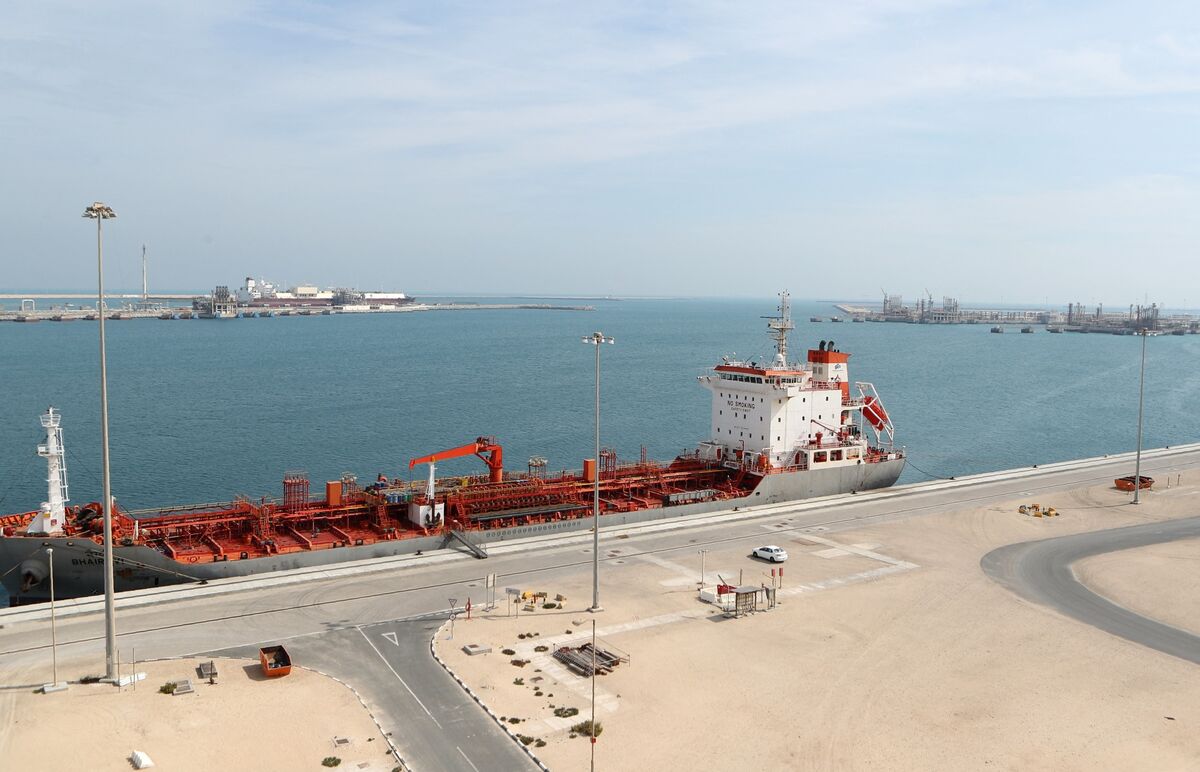
Qatar is ramping up its liquefied natural gas (LNG) exports, reaching levels not seen in months. As the second-largest exporter of this essential energy resource, Qatar is taking steps to ready its equipment in anticipation of the possible reopening of the vital Strait of Hormuz, a critical waterway for global oil and gas shipping.
Qatar’s Strategic Position in the LNG Market
As the world’s second-largest LNG supplier, Qatar plays a pivotal role in ensuring energy security for many countries. With its vast natural gas reserves and advanced liquefaction technology, Qatar can respond quickly to global demand fluctuations. The recent uptick in LNG loading indicates Qatar’s readiness to capitalize on a potential surge in market demand, particularly from regions that are heavily reliant on gas imports.
Impact of the Strait of Hormuz on Global Trade
The Strait of Hormuz is a crucial maritime passage that facilitates the transportation of a significant portion of the world’s oil and gas. Tensions in this region can lead to supply disruptions, creating volatility in the global energy market. The preparation for the Strait’s reopening underscores Qatar’s awareness of geopolitical factors influencing LNG prices and availability. By positioning itself strategically, Qatar can leverage its LNG assets to stabilize supply and pricing in a volatile market environment.
Future Outlook for LNG Exports
Looking ahead, Qatar’s LNG export strategy seems poised for growth. Given the global shift towards cleaner energy sources and the increasing demand for natural gas, particularly in Asia and Europe, Qatar’s expanded LNG capabilities could become a game changer. Countries are seeking alternatives to coal, making LNG a more attractive option for reducing carbon footprints. As a result, Qatari LNG could play a crucial role in the transition to greener energy, while simultaneously boosting the nation’s economy.
Technological Advancements and Infrastructure Readiness
The investments Qatar is making in technology and infrastructure are critical for maintaining its competitive edge in the LNG market. Innovations in extraction and liquefaction processes not only increase efficiency but also support environmentally sustainable practices. Qatar’s commitment to modernizing its facilities indicates a forward-thinking approach that can enhance its market position as global energy dynamics evolve.
In conclusion, with its strategic geopolitical positioning, technological advancements, and a keen eye on future market demands, Qatar is well-prepared to bolster its LNG exports. The potential reopening of the Strait of Hormuz only solidifies this path, allowing Qatar to meet global energy needs while enhancing its influence in the international energy landscape.