
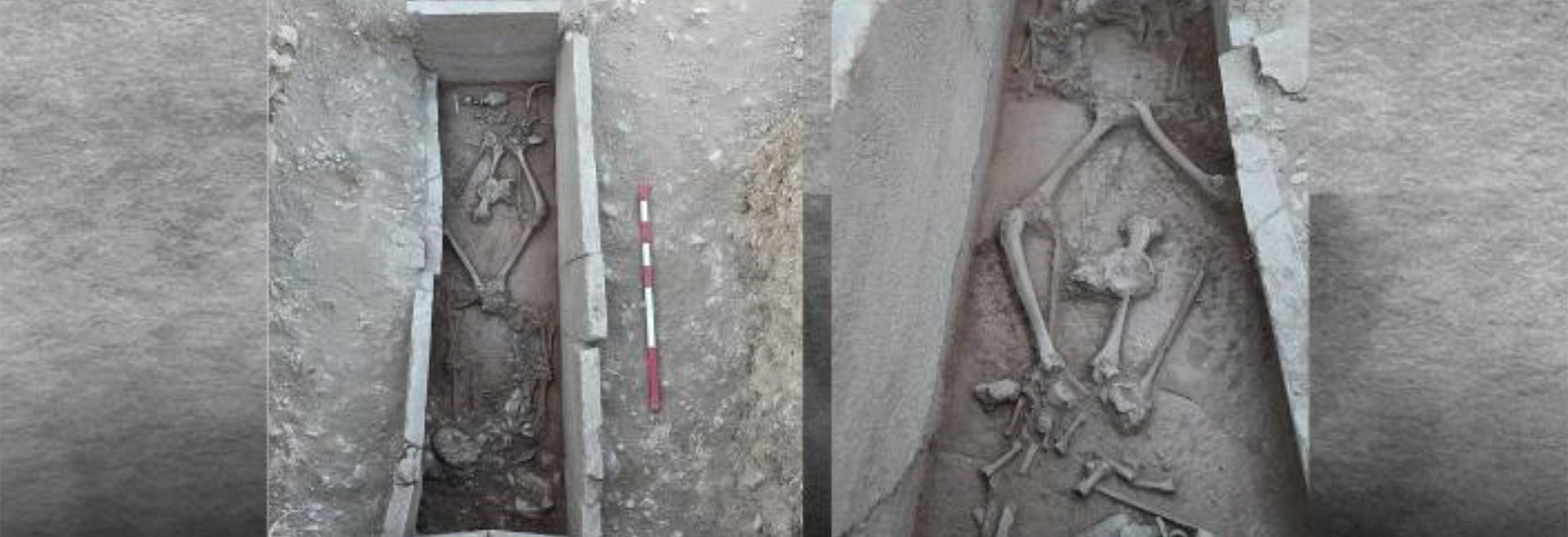
In the heart of Antalya, Turkey, a remarkable archaeological discovery has emerged: a 2,400-year-old grave meticulously lined with stones. This intriguing find opens a window into the burial practices and cultural beliefs of ancient civilizations that once thrived in this region.
The Discovery of an Ancient Grave
Recent excavations have revealed a grave that dates back to 400 B.C. According to reports from Yeni Şafak, archaeologists uncovered the site during ongoing studies in an area known for its rich historical heritage. The grave is believed to belong to a high-status individual, indicated by the careful construction and the materials used. The grave’s stone lining demonstrates a sophisticated understanding of burial customs and reveals insights into the social hierarchy of that era.
Researchers have highlighted that the meticulous design of the grave showcases the importance of proper burial practices in ancient societies. Such findings contribute significantly to our understanding of how different cultures perceived death and the afterlife.
Insights into Ancient Cultures
This discovery is not merely a relic of the past; it provides valuable information regarding the cultural dynamics of ancient Mediterranean societies. Archaeologists suggest that the grave reflects the beliefs surrounding the afterlife, as well as the social status of those buried within. The intricate details of the grave’s construction offer clues about the technological capabilities of the time and the materials available for such sophisticated designs.
The geographical location of Antalya also plays a crucial role in understanding the intermingling of cultures throughout history. Situated along trade routes, the region has long been a melting pot of diverse civilizations, each contributing to the local customs and practices. The discovery of the grave enhances our knowledge of how these cultures interacted and influenced one another, shedding light on the evolution of burial traditions over the centuries.
Ongoing Excavation and Future Research
The excavation team, comprised of local and international experts, is committed to carefully studying the site. Their aim is to gather as much information as possible to reconstruct the story of this ancient grave and its inhabitant. Future research will likely explore the artifacts found within the grave, which could provide further insights into the life and beliefs of the individual buried there.
Moreover, public interest in archaeological finds like this grave has prompted discussions about preserving and promoting cultural heritage. As researchers continue to unearth treasures from the past, the importance of protecting these sites for future generations becomes paramount.
Conclusion: A Glimpse into the Past
The unveiling of this 2,400-year-old grave in Antalya, Turkey, serves as a significant reminder of the rich historical tapestry woven by ancient civilizations. As scholars delve deeper into the implications of this discovery, our understanding of early burial practices, cultural beliefs, and societal structures continues to grow.
This find not only enriches the archaeological narrative but also emphasizes the need for ongoing research and preservation efforts. The ongoing excavation stands as a testament to humanity’s enduring quest to connect with its roots and understand the complexities of the past. As such, this grave is not just a physical structure; it is a key to unlocking the mysteries of ancient life and death.