
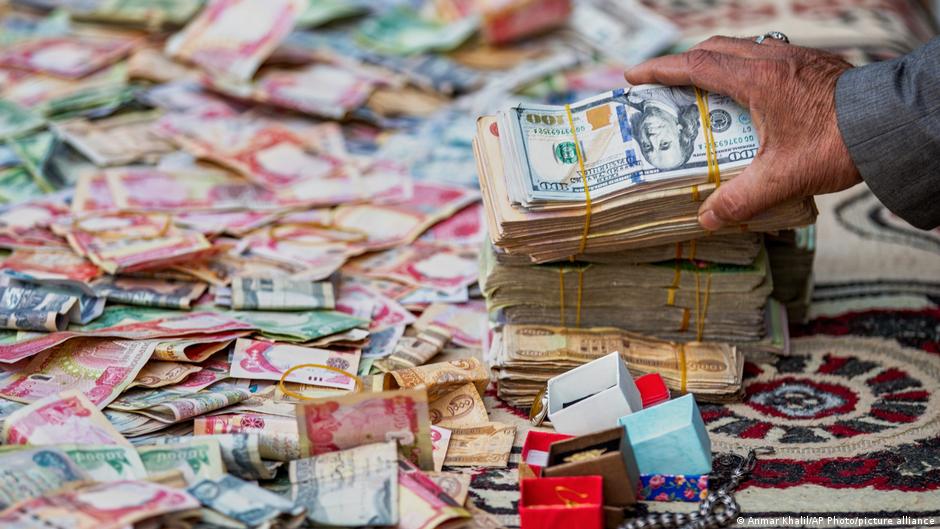
The situation in Iraq is increasingly precarious due to the blockade of the Strait of Hormuz, which is severely impacting the lives of ordinary citizens across the nation. A significant portion of Iraq’s economy relies on oil exports, and as these have dwindled, many citizens are feeling the financial strain.
Current Financial Struggles for Iraqi Citizens
For many state employees, including Mahmoud Waleed, a teacher in Mosul, delayed salaries have become the norm. Waleed shared his concerns, stating that the late payments make it difficult for families to manage their living costs. Like many Iraqis, he faces pressure to cut expenses and save for emergencies, expressing worry over the uncertainty of the future. Doctors and university staff are experiencing similar difficulties, with reports indicating delays of more than ten days in salary payments. This financial insecurity is not just an inconvenience; it fuels anxiety for thousands who rely on timely wages to meet basic needs.
Demonstrations have been sparked by these delays, with university staff and Ministry of Electricity employees taking to the streets to voice their frustrations. The government has struggled to meet its obligations as oil exports declined sharply. This situation is appalling, as Iraq previously enjoyed stability as a major oil producer.
Understanding Iraq’s Economic Dependency on Oil
The Iraqi economy is heavily dependent on oil income, with approximately 85-90% of the national budget funded by oil exports. About two-thirds of the roughly 30 million working-age Iraqis rely on state employment, making salary payments vital for economic stability. However, the onset of geopolitical tensions has drastically reduced export levels, particularly following military strikes against Iran that led to Iran blocking the Strait of Hormuz—an essential route for Iraq’s oil exports. By May, Iraqi oil exports had plummeted by as much as 97% compared to previous months.
Monthly income for the government has dramatically decreased, with revenues falling to between $2 billion and $2.3 billion—far below what is needed to meet essential salary obligations. In light of this financial crisis, panic has spread among employees, with rumors circulating that salaries might only be disbursed every 45 days moving forward. The government has issued statements to quell these fears, asserting that reserves would allow for monthly salary payments for the foreseeable future.
The Impact on Stability and Future Prospects
Despite the ongoing financial crisis, experts suggest it may not lead to immediate instability. Citizens have expressed frustration but seem reluctant to engage in mass protests like those seen during the Tishreen protests of 2019-2021. Observers note that if salary delays coincide with issues such as electricity shortages or inflation, the chances of widespread protests may increase. The government appears to have learned from previous unrest, utilizing various mechanisms to suppress potential uprisings.
Moving beyond immediate crises, reforms are essential for Iraq’s economic future. The government has been exploring alternative oil export routes, but experts stress the need for significant economic restructuring. It is crucial to diversify the economy to reduce reliance on oil revenues and foster private-sector growth. Current indications suggest that funding for these reforms remains limited, with government budgets primarily allocated for salaries, leaving little room for development projects.
Essentially, Iraq stands at a crossroads where immediate financial pressures may open avenues for necessary economic reforms. Addressing corruption and fostering private-sector jobs, if implemented effectively, could transform the economic landscape. However, only time will reveal whether these openings for meaningful change will endure once the immediate financial pressures ease.