
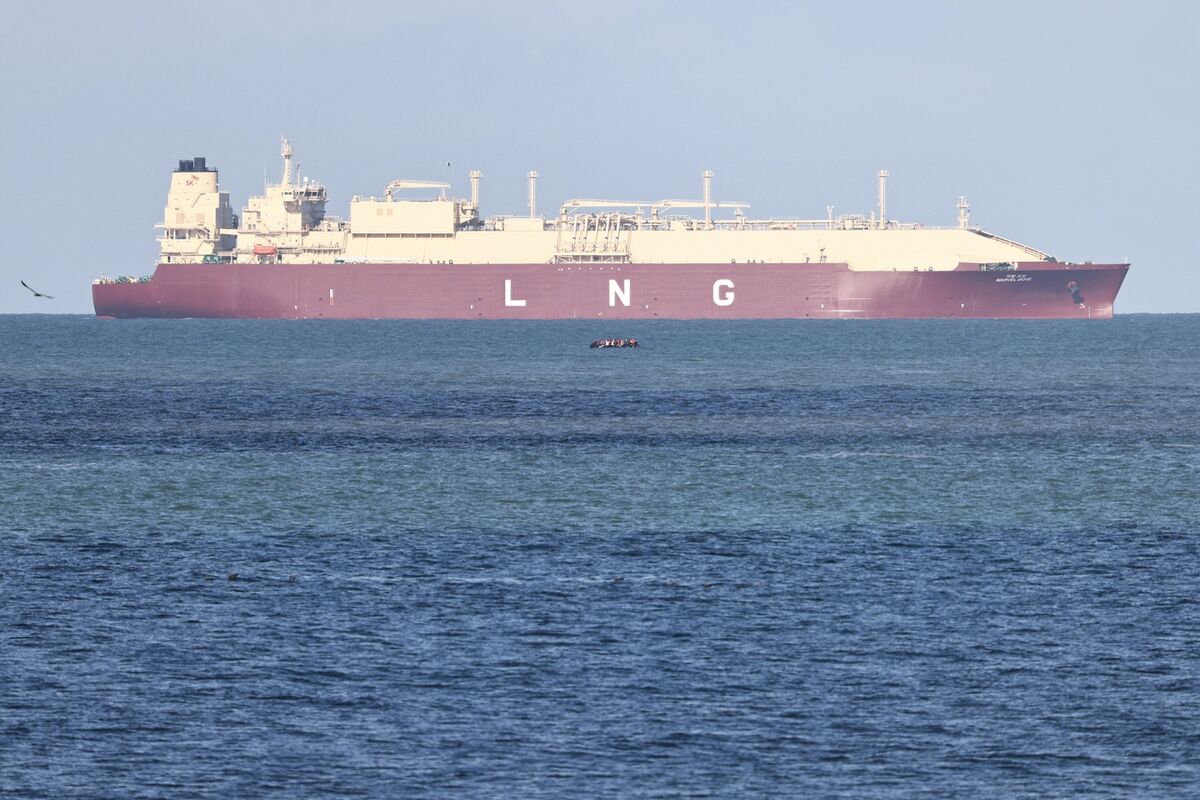
A significant event is unfolding in the realm of global energy trade as a tanker transporting liquefied natural gas (LNG) from Qatar navigates the strategically vital Strait of Hormuz. This passageway is crucial for energy shipments and its successful transit would symbolize Qatar’s inaugural LNG export from the region amidst heightened geopolitical tensions stemming from the Iran conflict.
Strategic Importance of the Strait of Hormuz
The Strait of Hormuz serves as a pivotal maritime route for oil and gas exports, linking the Persian Gulf to wider global markets. Approximately one-fifth of the world’s crude oil passes through this narrow waterway, making it a key artery for energy supplies. Control over this strait has significant implications for global energy security and economic stability. The current geopolitical landscape affects the safety and viability of maritime activities in this critical zone, thus making any successful transit noteworthy.
Qatar’s Energy Strategy and Economic Implications
Qatar has been steadily increasing its LNG production, positioning itself among the top exporters globally. The current geopolitical dynamics, exacerbated by ongoing tensions with Iran, compel Qatar to optimize its energy trading routes. Successfully exporting LNG through the Strait of Hormuz would not only reinforce Qatar’s position in the energy market but also demonstrate its resilience in navigating geopolitical challenges. As countries seek robust energy sources, Qatar’s ability to deliver LNG is ever more crucial, reflecting an adaptive and strategic energy management plan.
Geopolitical Ramifications
Navigating the Strait of Hormuz under the existing conditions poses risks that go beyond mere shipping logistics. The potential for conflict in the region raises concerns about maritime security, complicating the movement of tankers. Should Qatar manage to export LNG through this channel, it would exemplify a significant breakthrough, potentially easing some tensions and altering the dynamics of regional power politics. This move could encourage other nations to pursue similar strategies, effectively reshaping traditional trading routes.
Conclusion: Future of LNG Trade
With Qatar’s LNG tanker attempting this historic navigation, the stakes are high for both the nation and the global energy landscape. Success in this endeavor could signify a new chapter for Qatar’s energy exports and its broader geopolitical standing. It highlights the intersection of energy trade, security, and international relations, emphasizing how seemingly localized actions can have global ramifications. As countries strive for energy independence and security, Qatar’s journey through the Strait of Hormuz will be closely watched, setting the stage for future developments in the global energy sector.