
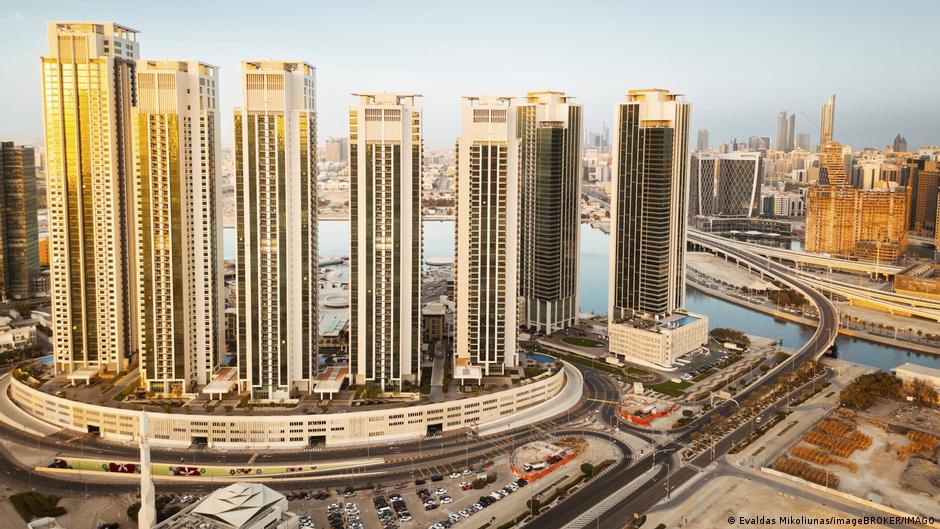
On May 8, the United Arab Emirates successfully intercepted an Iranian missile and drone attack, highlighting ongoing tensions despite a ceasefire between the U.S. and Iran. This incident underscores the UAE’s crucial position within a volatile regional landscape.
Iran’s Targeting of the UAE
Earlier this week, the UAE’s ambassador to the U.N., Mohamed Abushahab, accused Iran of launching an aggressive strike aimed at the Emirati Fujairah oil industry, involving twelve ballistic missiles, three cruise missiles, and four drones. Iran, however, has categorically denied these assertions. Despite the controversy, these events reflect a common belief in Abu Dhabi that the UAE has become a key target for Iranian attacks, particularly as tensions have escalated following the onset of warfare in Iran earlier this year.
The UAE’s Ministry of Defense has advised citizens to avoid approaching any remains from the intercepted attacks, further illustrating the seriousness of the threats facing the region. With over 2,800 instances of drone and missile strikes recorded, the scale of these hostilities serves to amplify concerns regarding the ongoing safety of both the Emirati population and its critical infrastructure.
Strengthening Alliances: UAE, the U.S., and Israel
In 2020, the Abraham Accords forged a diplomatic relationship between the UAE and Israel, a move that Michael Stephens, a senior Middle East security analyst, believes has drawn Iranian ire. He posits that Iran perceives the UAE’s ties with Israel as a retaliatory target for Israel’s actions against Iran. Consequently, the UAE has significantly bolstered its military and intelligence cooperation with Israel in response to such aggressions.
Notably, Israel has recently deployed its Iron Dome air defense system to the UAE, marking a pivotal expansion of their military collaboration. The strengthening bond between the UAE and Israel has not only enraged Iran but has also deepened existing tensions over territorial disputes, primarily concerning the Abu Musa and Tunb islands. Furthermore, the UAE’s role as a vocal critic of Iran has positioned it closer to both the United States and Israel, aligning its strategic interests more closely with these allies.
UAE’s Diversification and Regional Influence
The UAE has significantly shifted its foreign policy focus in recent years, increasingly aiming to evolve from an oil-dependent economy to a diversified hub for digital infrastructure and tourism. This move aligns with its broader “UAE 2031” vision to enhance economic stability and global influence. The UAE’s approach has diverged markedly from that of Saudi Arabia, especially following the normalization of ties with Israel. While Saudi Arabia has taken a more cautious stance amid the crisis, the UAE continues to strengthen its international partnerships.
Additionally, the UAE has recently exited the OPEC organization, a decision that further indicates a shift in its strategic priorities away from traditional oil alliances. It has ventured into conflicts across Africa with military engagements in countries like Libya, Sudan, and Yemen, positioning itself as a key player in shaping regional dynamics and securing vital trade routes. By engaging in such interventions—often through indirect means—the UAE aims to safeguard its economic interests without a significant ground troop presence.
In summary, the UAE finds itself at a pivotal crossroads amid rising hostilities and changing geopolitical alliances. While its strong ties with the U.S. and Israel are becoming increasingly pronounced, the Emirati leadership faces the dual challenge of managing Iranian threats and pursuing its ambitious transformative agenda. As tensions escalate, the UAE will likely continue to leverage its position as a regional power while navigating complex international relationships.