
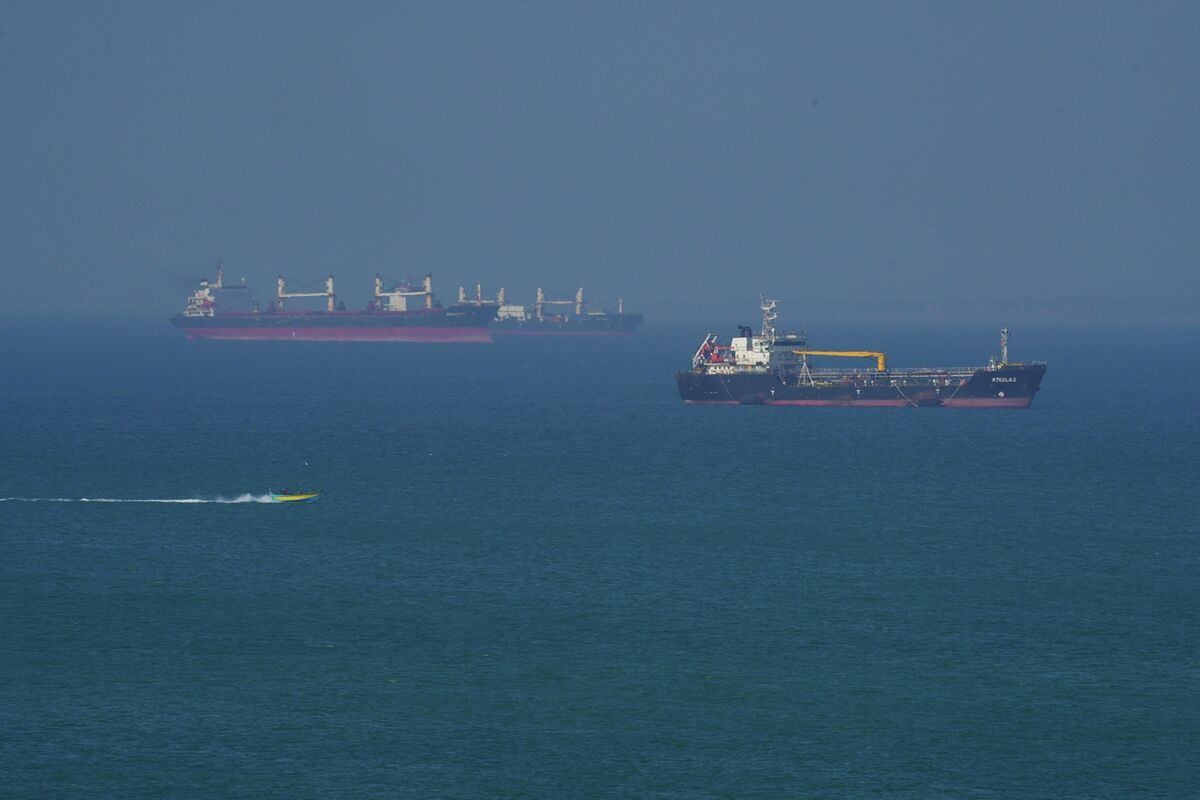
Saudi Arabia’s Aramco Trading Co. and the UAE’s state oil company Adnoc have been actively transporting crude oil through the Strait of Hormuz, even as Iran has taken steps to restrict access to this critical waterway. This situation has significant implications for global oil markets and underscores the geopolitical tensions in the region.
The Significance of the Strait of Hormuz
The Strait of Hormuz is a pivotal maritime route, facilitating the transit of a substantial portion of the world’s oil supply. Approximately 20% of all oil traded globally passes through this narrow waterway, making it a focal point for both commercial and security interests. Consequently, any disruption in access can lead to volatility in oil prices and create ripple effects felt across economies dependent on oil imports. As Iran attempts to assert control over the Strait, oil exporters from neighboring nations are finding ways to navigate these challenges while ensuring continued supply to international markets.
Challenges and Responses from Oil Companies
In light of Iran’s actions, major oil players such as Aramco and Adnoc have intensified their operations. Industry insiders have noted that these companies are pivoting to alternative routes or employing advanced methods to ensure that crude cargoes reach their destinations without interruption. Their ability to adapt quickly to changing circumstances highlights the resilience of the oil sector in navigating geopolitical uncertainties.
The strategies employed include diversifying shipping routes and enhancing security measures for vessels traversing the Strait. These steps are crucial not only for the oil companies but also for the economies relying on stable oil supplies. Importantly, the commitment displayed by these firms to maintain operations under challenging conditions reflects a broader trend within the oil industry: the ongoing efforts to balance market needs against geopolitical risks.
The Broader Impact on Global Oil Markets
The movements of Aramco and Adnoc through the Strait of Hormuz carry broader implications for global oil markets. As these companies continue to supply crude oil, they play a critical role in mitigating potential shortages that may arise from Iranian restrictions. This ongoing activity could help stabilize prices, but the ever-present risk of escalation in tensions means that oil markets remain on edge.
Moreover, the situation highlights the interconnectedness of global energy security and geopolitical stability. Decisions made by oil exporters can substantially impact market dynamics and influence the strategies of other nations dependent on oil imports. Thus, the actions of companies like Aramco and Adnoc serve not just their interests but also contribute to a larger framework of energy security for many nations.
Future Outlook and Considerations
Looking ahead, the situation in the Strait of Hormuz is likely to remain highly fluid. As political tensions persist, oil companies must navigate these complexities while remaining vigilant about potential disruptions. Continuous monitoring of geopolitical developments will be essential for strategizing and maintaining resilience in their operations.
In conclusion, the actions of Saudi Arabia’s Aramco and the UAE’s Adnoc illustrate the proactive measures oil companies are taking in response to Iranian restrictions on the Strait of Hormuz. Their efforts not only ensure the flow of crude oil to global markets but also highlight the broader significance of this strategic waterway in the context of global energy security and economic stability. As the region evolves, the interplay between geopolitical factors and market dynamics will undoubtedly shape the future of oil transportation in this crucial maritime corridor.