
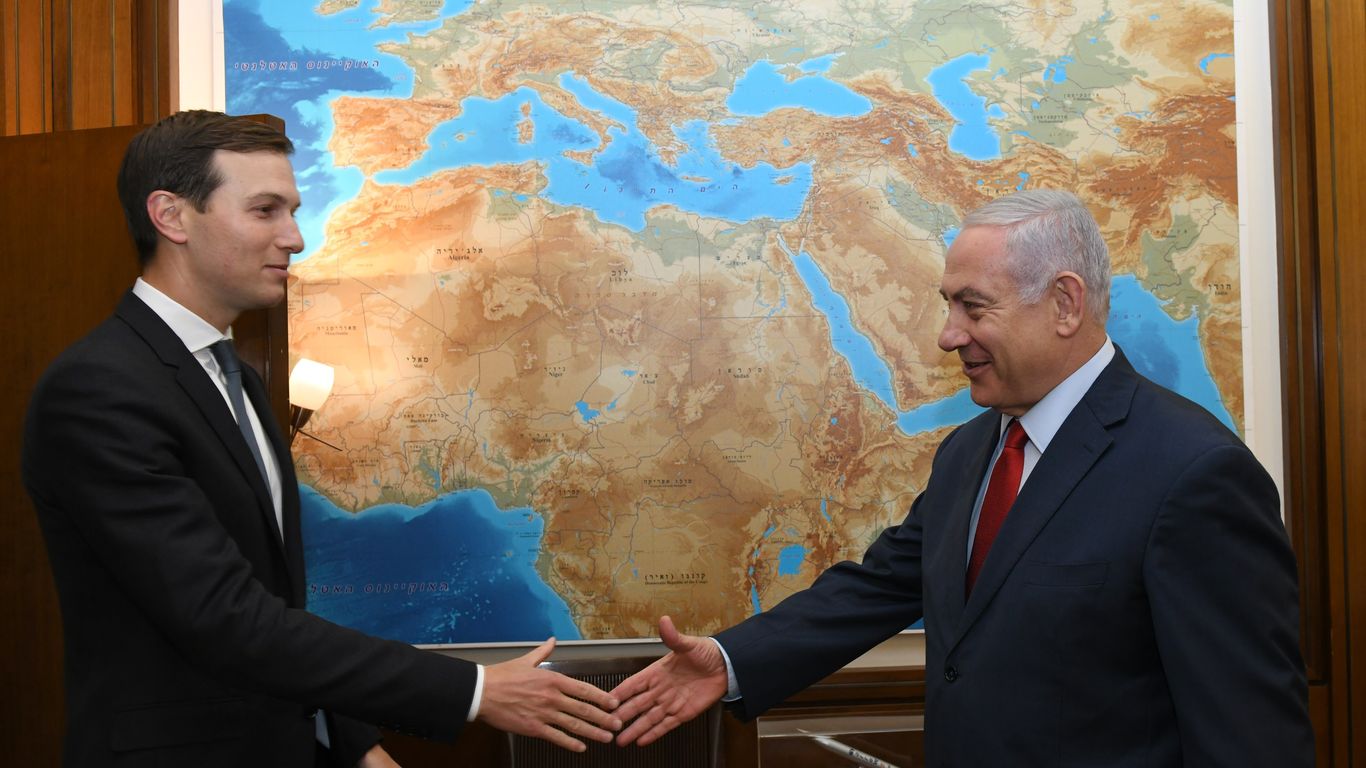
Recent developments in Gaza have stirred significant political tension, placing Prime Minister Netanyahu in a precarious position. As the situation escalates, he faces competing pressures from various factions, all pushing for different courses of action. This article will delve into the current landscape, shedding light on the factors influencing Netanyahu’s decision-making process.
Current Dynamics in Gaza
The ongoing conflict in Gaza has created a multi-faceted challenge for Israeli leadership. As violence fluctuates, the humanitarian crisis deepens, prompting international calls for intervention and support. Civilians suffering from the turmoil are at the forefront of discussions, raising questions about how Israel should respond to both security threats and humanitarian needs. The challenge for Netanyahu is to navigate these complex realities while maintaining national security and addressing the urgent concerns for peace and safety within the region.
Political Pressures from Within and Beyond
Netanyahu’s leadership is tested not only by external pressures but also by his coalition government, which comprises diverse parties with often conflicting agendas. On one side, right-wing factions demand a more aggressive military response to threats, insisting that any sign of weakness could embolden adversaries. On the flip side, centrist and left-leaning parties advocate for diplomacy and restraint, emphasizing the need for humanitarian considerations and potential peace negotiations. These internal divisions complicate Netanyahu’s strategic choices, making it difficult to find a unified direction.
Internationally, Netanyahu is under scrutiny from various nations and organizations that call for a balanced approach. Countries in the region, as well as global entities, urge Israel to consider the humanitarian implications of its military operations. The Prime Minister must weigh these international perspectives carefully, as they could impact Israel’s foreign relations and global standing.
The Path Forward for Israel
As Netanyahu grapples with these pressures, the decisions made will have lasting consequences for Israel and the Palestinian territories. An approach that prioritizes military action may temporarily address security concerns but could provoke further violence and deepen the humanitarian crisis. In contrast, a strategy that leans towards diplomacy and addressing humanitarian issues could pave the way for long-term stability but might be seen as a concession by his political rivals.
The path forward for Israel requires a delicate balance between immediate security needs and long-term peace aspirations. Effective communication with the public and coalition partners will be essential in navigating this turbulent period. Netanyahu’s ability to forge a consensus, or at least manage dissent within his government, will be critical in determining the effectiveness of any policy he pursues.
In conclusion, Prime Minister Netanyahu stands at a crossroads, where his decisions will significantly influence both Israeli society and the broader Middle Eastern landscape. The unique challenges of Gaza call for a thoughtful and nuanced approach, balancing security concerns with humanitarian realities. As the situation evolves, the Prime Minister must proactively address these competing demands while striving for a sustainable resolution.