
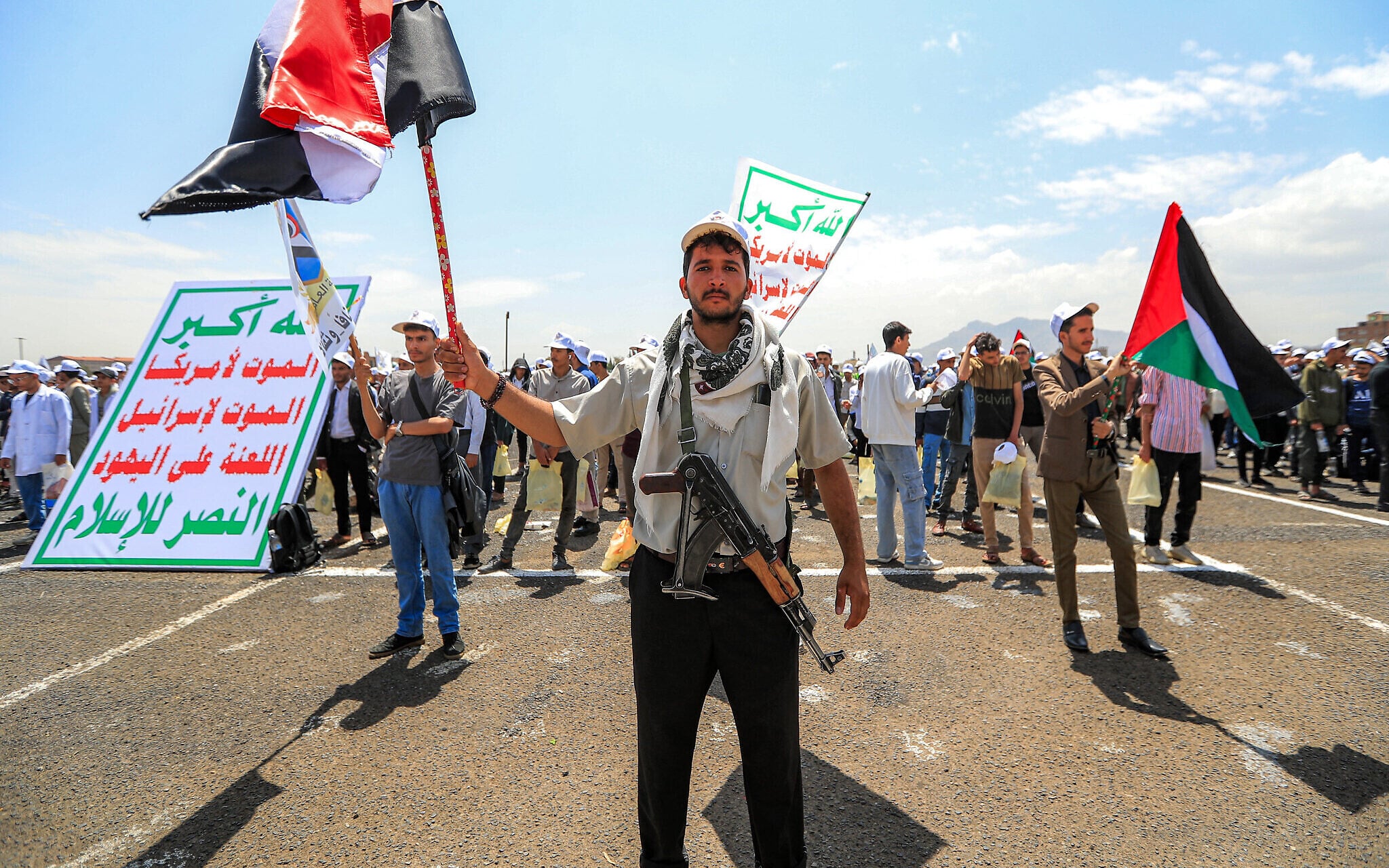
Yemen’s ongoing civil conflict faces a new escalation threat as Houthi rebels recently claimed responsibility for a drone strike on an Aramco refinery in southern Saudi Arabia. Associated with Iran, the Houthis reported the attack through their affiliated news agency, Saba. This development comes alongside warnings from United Nations officials about escalating risks of famine and a potential return to widespread warfare in Yemen.
Details of the Drone Attack
According to Saba, a military spokesperson indicated that Yemeni Armed Forces successfully targeted the Aramco facility in the Jizan region using two drones, claiming the strike was a direct response to Saudi airspace violations and breaches of Yemeni sovereignty, particularly in the Saada and Hajjah governorates. The spokesperson emphasized that the Houthis would respond firmly to any perceived aggression or encroachment on national sovereignty, although Saudi Arabia has yet to officially comment on this incident.
This attack aligns with a broader history of conflict in Yemen, which has persisted since the Houthis took control of the capital, Sanaa, in 2014. Following this takeover, a Saudi-led coalition intervened militarily in 2015 to support the internationally recognized Yemeni government. Over time, efforts to stabilize the situation have repeatedly faltered, often exacerbated by conflicting interests in the region.
Status of the Truce and Growing Tensions
A United Nations-brokered truce in 2022 largely suppressed significant hostilities until its expiration six months later. Unfortunately, attempts to transition this temporary peace into a permanent resolution have stalled, and recent weeks have witnessed a resurgence of violence. The Houthis not only claim credit for attacks on Saudi oil facilities but also stated that these actions are in retaliation for continued Saudi drone incursions into Yemeni territory.
On July 20, the Houthis proclaimed a naval blockade against Saudi Arabia in the Red Sea, further intensifying hostilities. This blockade was characterized by the Houthis as a necessary measure against what they see as a Saudi siege of Yemen—a claim that Riyadh firmly denies. In response, the Saudi coalition conducted airstrikes targeting facilities in the strategic port city of Hodeidah, which they linked to threats against commercial shipping routes.
UN Concerns Over Humanitarian Crisis
Recent statements from Hans Grundberg, the UN envoy to Yemen, reveal alarming conditions as Yemen faces its most critical threat of returning to large-scale warfare since the truce’s commencement. Grundberg noted a surge in military actions along various frontlines, leading to increasing casualties among both military and civilian populations. He issued an urgent plea for all parties involved to de-escalate and commit to a solid ceasefire agreement.
Moreover, UN humanitarian chief Tom Fletcher reported troubling statistics, indicating that over half of Yemen’s population is grappling with severe food insecurity. With millions nearing famine levels, urgent action is required to alleviate the suffering of civilians. Both officials called for the immediate release of detained UN personnel and other humanitarian workers, as well as a renewed commitment to freeing conflict-related detainees as previously agreed upon.
In conclusion, the recent drone attack demonstrates the fragile state of peace in Yemen and highlights the complexities complicating the path to resolution. As international stakeholders scrutinize the situation, the need for a sustainable solution becomes increasingly crucial to prevent further humanitarian disasters.