
A Significant Shift in Middle Eastern Alliances
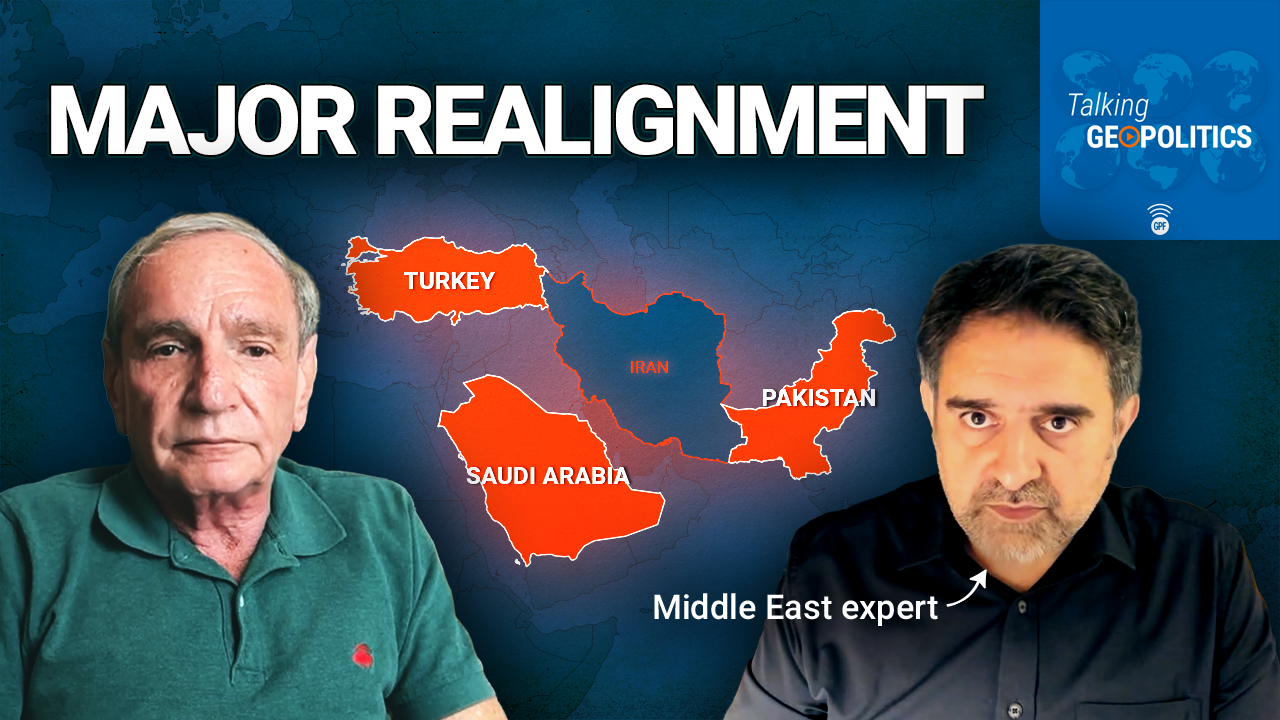
In recent developments, a monumental defense pact has been established between Turkey, Saudi Arabia, and Pakistan, which many are dubbing the “Islamic NATO.” This agreement includes a mutual defense clause akin to NATO’s Article 5, suggesting that an attack on one member will prompt a collective response from all. This coalition has the potential to reshape the security landscape of the Middle East and beyond, impacting global powers ranging from India to the United States.
The Implications of the Defense Pact for Regional Dynamics
The formational significance of this alliance cannot be overstated. It serves as a possible focal point for regional stability and power alignment. The collective strength of Turkey, with its substantial military capability, combined with Saudi Arabia’s financial resources, creates a formidable bloc. Historically volatile, the Middle East has been characterized by conflict and instability—this pact could streamline the regional response to external threats, allowing these nations to take responsibility for their security in a way that was previously dependent on U.S. influence.
Turkey ranks as a crucial strategic player owing to its military expertise. Meanwhile, Saudi Arabia’s financial power positions it well in this alliance. This synergy may eventually expand to include additional countries, such as Egypt, further reinforcing this emerging architecture.
The Global Consequences of Regional Alignment
This new alignment occurs amid U.S. efforts to shift its foreign policy focus away from the Middle East. The evolving geopolitics have already shown significant ripple effects, particularly as other global players, such as China and Russia, monitor the situation. The retreat of American military presence opens the door for regional actors to take charge, which is a critical transitional phase that could redefine power structures globally.
As the three nations join forces, the potential for collective deterrence against adversaries like Iran grows. Iran’s expanding influence in the region through proxy forces has long been a concern for these nations. The mutual defense pact may therefore serve not just to unify these countries but to counteract Iranian ambitions more effectively. The challenge for Iran lies not only in facing this new alliance but also in balancing its relationships with its own non-state actors and navigating a complex geopolitical landscape.
Impact on Iran and Broader International Relations
Although Iran has publicly dismissed the significance of this newly formed alliance, its leadership cannot ignore the underlying threat to its strategic interests. With Turkey, Saudi Arabia, and Pakistan united under a mutual defense agreement, Iran may find its geopolitical maneuverability severely constrained. This not only increases the stakes for Iran’s international actions but also influences how it approaches its relationship with neighboring states as it calculates its involvement in regional conflicts.
The broader international community, particularly the United States, may have reasons to view this development favorably. A strengthened coalition in the Middle East potentially reduces the burden on American foreign policy and allows the U.S. to recalibrate its engagements in other global theaters.
Repercussions for India and Traditional Rivalries
India may view this new alliance with trepidation, especially given its historical rivalries, particularly with Pakistan. The formation of the Islamic NATO could alter the balance of power in South Asia, compelling India to reconsider its foreign policy strategies. If these nations come together under a unified security strategy, the implications for Indian diplomacy are profound, as it navigates its relationships amid shifting alliances.
In conclusion, the formation of this mutual defense pact signifies a potential realignment of power in the Middle East. As Turkey, Saudi Arabia, and Pakistan forge ahead, the impacts will inevitably extend far beyond the immediate region, influencing global geopolitical stability. This event marks a pivotal point that has the potential to redefine not only Middle Eastern security dynamics but also relationships among significant world powers moving forward.