
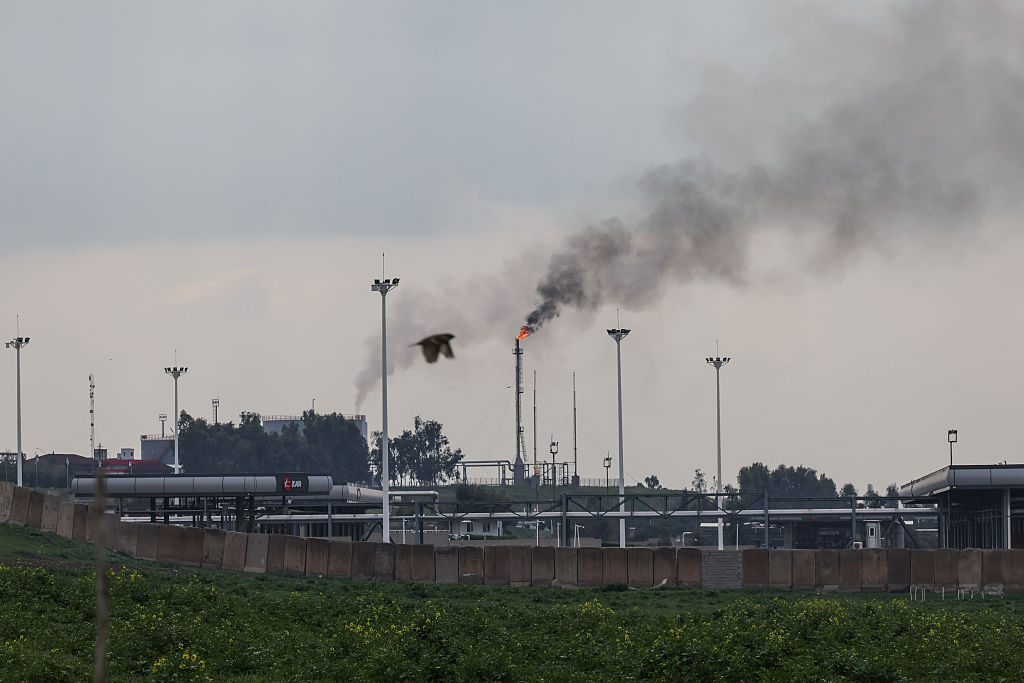
Iraq’s economy is heavily dependent on oil, with oil revenues accounting for more than 90 percent of the national budget. This reliance makes it vulnerable to fluctuations in global oil markets and geopolitical tensions. The recent reduction in oil exports, which are currently around half of the pre-closure levels of 3.4 million barrels per day, underscores the challenges the country faces.
The Impact of Oil Dependency on Iraq’s Economy
Iraq’s economic framework is intricately tied to oil production. This reliance on a single resource presents significant risks, especially during periods of instability in the region. Tax revenues generated from oil not only fund government operations but also support public services and infrastructure developments. When oil prices soar, the country may experience temporary financial relief, but when prices plummet, it feels the brunt of economic hardship. The inconsistency of oil exports due to geopolitical tensions, such as the closure of vital routes like the Strait of Hormuz, further complicates the situation.
Geopolitical Challenges Affecting Oil Exports
The Strait of Hormuz is a critical channel for global oil trade, and tensions in this area can severely disrupt Iraq’s ability to export oil. When Iran closed this strait, the impact was felt throughout Iraq. Export levels, which averaged 3.4 million barrels per day in more stable times, dropped significantly, placing stress on the country’s budget and economy. The inability to consistently export oil not only affects national revenue but also leads to budget deficits, resulting in cuts to public services and delayed infrastructure projects.
The Need for Diversification
Given the current economic vulnerabilities, there is a pressing need for Iraq to diversify its economy. Relying solely on oil revenue limits the country’s growth potential and exposes it to external shocks. Economic diversification could involve investing in sectors such as agriculture, tourism, and technology, which would create jobs and bolster economic resilience. By diversifying its revenue streams, Iraq could better withstand fluctuations in oil prices and geopolitical disruptions.
Moving Towards Sustainable Economic Practices
In addition to diversification, Iraq should explore sustainable economic practices that promote long-term stability. This includes investing in renewable energy sources, improving governance, and enhancing transparency within the oil sector. Sustainable practices will not only help in mitigating the impact of oil price volatility but also attract foreign investments, fostering growth in various sectors. In the long run, improving economic sustainability is critical for Iraq to even out the peaks and troughs of its oil-driven economy and secure a stable financial future.
By addressing these challenges and moving towards a diversified and sustainable economic model, Iraq can build a more resilient economy that is less prone to the pitfalls of heavy reliance on oil revenue.