
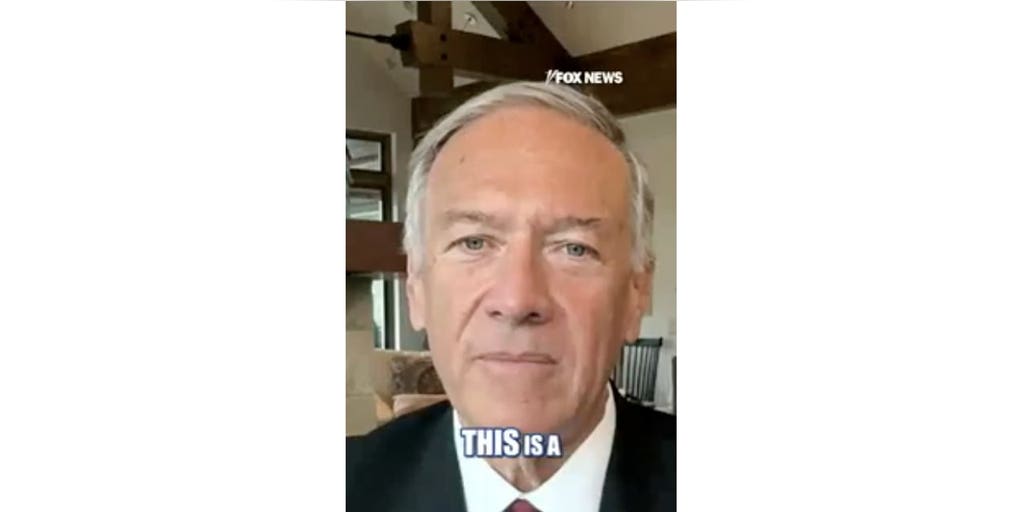
Former Secretary of State Mike Pompeo has voiced significant concerns regarding the discourse surrounding the potential for an “off-ramp” in the ongoing tension with Iran. He emphasizes that seeking an easy exit could inadvertently signal weakness to adversaries, thereby undermining national security and international standing. This perspective sheds light on the complexities of U.S. foreign policy and the implications of perceived capitulation in critical international relations.
The Dangers of an ‘Off-Ramp’ Mentality
Pompeo underscores how the notion of finding an easy resolution to the conflict could embolden not only Iran but also other hostile nations. In his view, such a strategy may lead adversaries to interpret it as an opportunity for aggression without facing consequences. He argues that a firm stance is essential for maintaining credibility on the global stage. By projecting strength, the United States can effectively deter hostile actions, ensuring that aggressors recognize the potential repercussions of their actions.
Global Implications of U.S. Policy
The proposed approach to handling Iran’s provocations has broader ramifications for U.S. foreign policy. Should other nations witness the U.S. seeking a retreat in the face of conflict, it could set a dangerous precedent. Pompeo warns that this could lead to a domino effect, where emerging threats from various countries are not adequately addressed, thus altering the balance of power in numerous regions. For Pompeo, the necessity of maintaining a strong front cannot be overstated, especially in an era of increasing global instability.
Strengthening International Alliances
Maintaining a robust foreign policy regarding Iran is also essential for reinforcing alliances with other nations. Partners expect the U.S. to lead with conviction, especially regarding threats that destabilize global security. Pompeo highlights that allies look to the U.S. for guidance and leadership. Softening the stance on Iran could prompt doubts about U.S. reliability and commitment to collective defense measures. By standing firm against Iran, the U.S. not only protects its interests but also reassures allies of its steadfastness.
Conclusion: A Call for Resilience
In conclusion, Mike Pompeo’s insights on the potential dangers of seeking an “off-ramp” in negotiations with Iran serve as a crucial reminder of the importance of resilience in U.S. foreign policy. By embracing a firm and consistent strategy, the United States can project strength not only to hostile nations but also to its allies. Through this approach, the U.S. can better navigate the complex landscape of international relations and safeguard its national interests against emerging threats. It is essential to recognize that a steadfast commitment to confronting adversarial actions can enhance global security and maintain international order.