
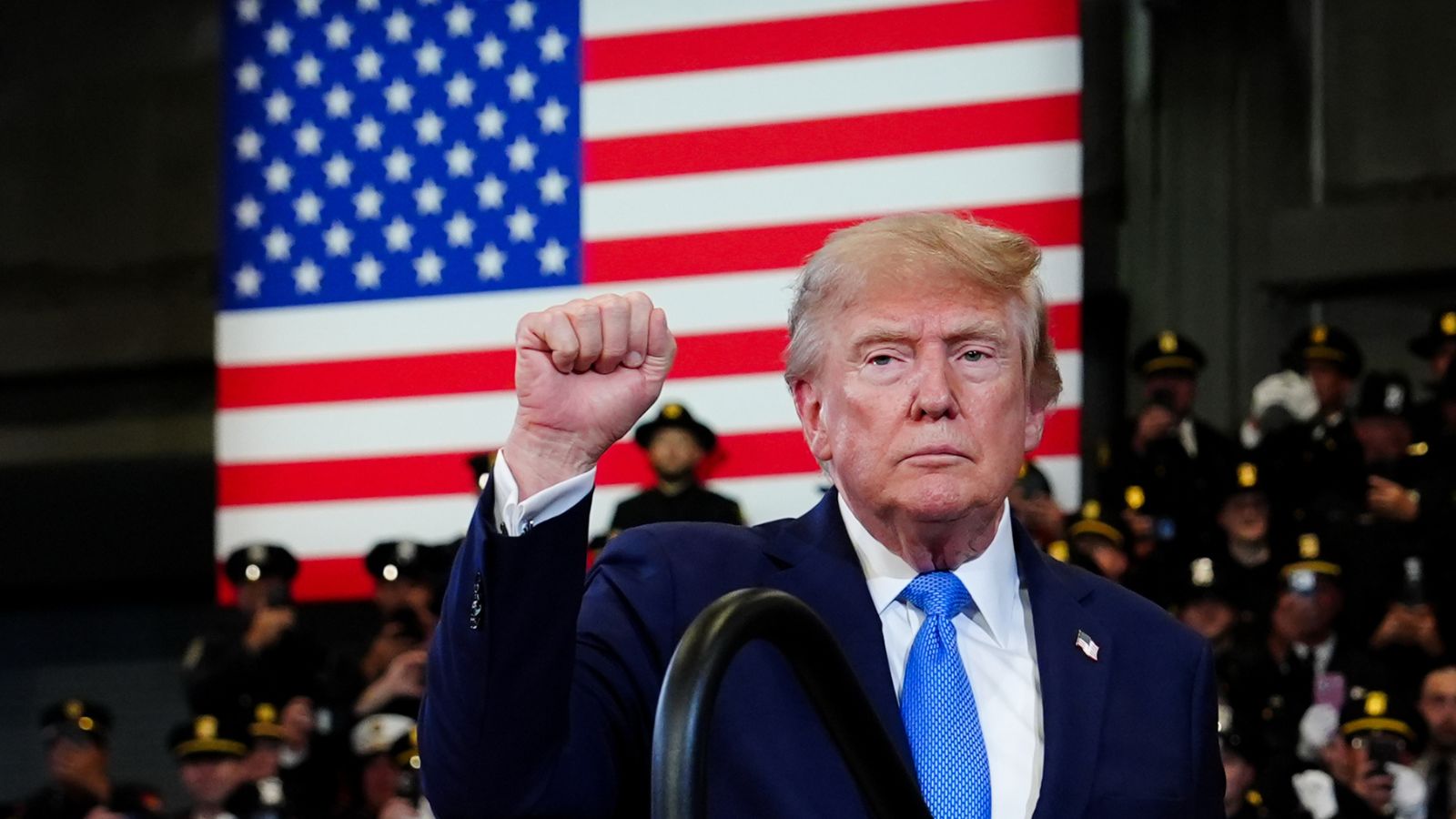
As the conflict between the US and Iran stretches into a protracted struggle lasting over five months, the implications extend far beyond mere oil prices and energy concerns. The frustration among at least five West Asian nations has mounted due to the United States’ inability to broker a ceasefire. Amid inconsistent statements from US President Donald Trump regarding peace agreements with Tehran, countries such as Saudi Arabia, the UAE, Qatar, Kuwait, and Bahrain are reassessing their strategic partnerships with the US.
The Rising Discontent of Gulf Nations
Reports indicate that anger towards the US has reached unprecedented levels in the Gulf. A senior official remarked, “Trump initiated this war, and we are the ones suffering the consequences.” Analysts suggest that regional allies feel cornered into a conflict they never sought. Firas Maksad from the Eurasia Group describes the US’s approach to Iran as “erratic” and “unpredictable,” adding to the frustrations felt by nations heavily reliant on energy exports. Since the blockade in the Strait of Hormuz, these exports have plummeted. Moreover, threats from Iranian-backed Houthis in Yemen to disrupt access through the Bab al-Mandab Strait exacerbate this precarious situation.
Trust in the US is Deteriorating
Historically, the presence of US military forces in the Gulf has been a contentious but accepted reality; Gulf states have seen it as a necessary evil. However, a Western diplomat claims that this perceived utility is now under scrutiny. Trust has deteriorated post-conflict, with Gulf allies increasingly believing that US actions endanger their security rather than bolster it. Despite lingering frustrations, these nations remain dependent on the US for critical military support. Former US ambassador Douglas Silliman notes the paradox: Gulf states are enraged by the initiation of the war yet still find themselves reliant on America to manage it.
In the face of discontent, regional powers are beginning to seek alternative alliances. Recently, Saudi Arabia, Turkey, and Pakistan came together to form a mutual defense pact. This move reflects a growing sentiment among these Sunni-majority nations that they cannot rely solely on the US for their security.
Saudi Arabia’s Significant Struggles
Saudi Arabia has been particularly impacted by the ongoing conflict, facing both direct threats from Iranian military actions and aggressive maneuvers from Houthis targeting critical energy infrastructure. With the closure of the Strait of Hormuz, the kingdom has had to reroute oil exports, significantly disrupting its trade. Before the conflict, Saudi Arabia exported over 5 million barrels of oil daily through this waterway, which accounted for a significant portion of the global oil supply.
The conflict’s toll is manifesting in higher oil prices and dwindling tanker traffic. As the situation intensifies, opinions among Gulf states are shifting. While Oman opposed the war from the outset, countries like Saudi Arabia, the UAE, and Bahrain were initially supportive, believing a swift military victory was achievable. However, as the conflict drags on and it becomes clear that the Iranian regime is resilient, enthusiasm for the war is waning and distrust in US military strategies is growing.
While the US administration insists that relationships with Gulf countries remain strong, many officials in the region feel that their security needs are being overlooked. This dissatisfaction is evident as regional leaders begin to reconsider their alliances and strategies in the face of an uncertain future. The ongoing conflict is not only reshaping military alliances but also complicating the geopolitical landscape in West Asia.