
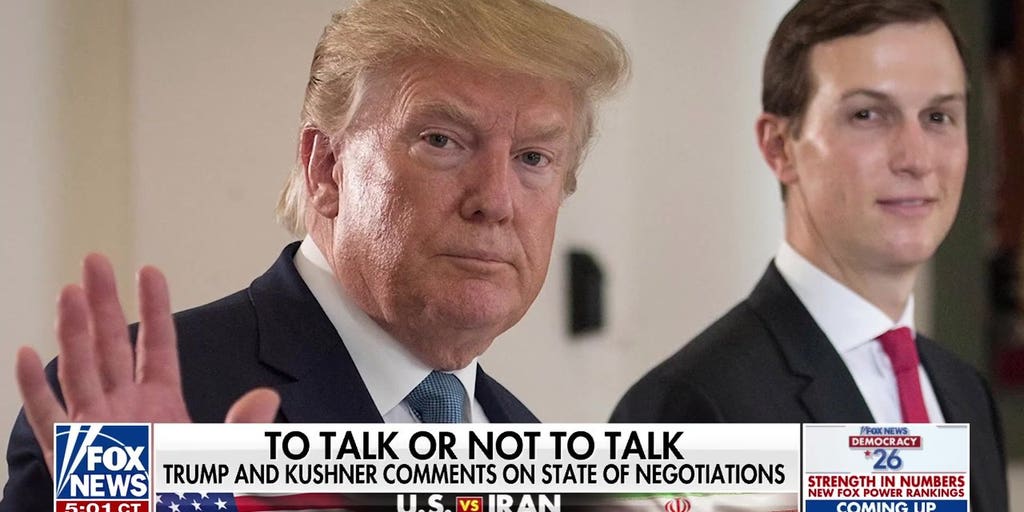
Negotiations between the United States and Iran have reached a critical stage following the expiration of a significant memorandum of understanding. Understanding the dynamics of these discussions is essential, as they hold substantial implications for international relations, regional stability, and nuclear non-proliferation efforts.
The Current State of U.S.-Iran Negotiations
As the talks progress, there are multiple factors at play, shaping the way both nations interact. The expiration of the previous memorandum has left a void, leading to uncertainties regarding the future of diplomatic engagements. The U.S. aims to navigate intricate complexities, balancing sanctions relief and Iran’s nuclear ambitions. With both sides aware of the stakes involved, the negotiations will require careful diplomacy to ensure progress that benefits both parties.
Efforts to revive the Joint Comprehensive Plan of Action (JCPOA) have oscillated between hope and skepticism. Despite political pressures from various factions within both countries, the overarching goal remains to achieve a diplomatic resolution that prevents Iran from pursuing nuclear weapons while providing for its economic revitalization. Each round of discussions reveals the layers of mistrust that have built up over the years, making the path forward challenging.
Implications of the Expired Memorandum
The expiration of the memorandum has heightened tensions and revealed underlying issues that could complicate future negotiations. For the U.S., the perceived fragility of existing agreements raises questions about Iran’s compliance with international expectations. On the other hand, Iran’s insistence on lifting sanctions appears to be a non-negotiable demand, making it difficult for U.S. officials to formulate a strategy that satisfies both domestic and international stakeholders.
The departure from the memorandum not only complicates bilateral discussions but also impacts regional allies. Countries like Israel and Saudi Arabia are closely monitoring developments, as they fear the implications of a potential nuclear-armed Iran. Their concerns are based on previous hostilities and Iran’s influence in the region, which adds an additional layer of complexity to the negotiations.
Looking Ahead: Future Prospects
As both countries attempt to navigate through this intricate web of diplomacy, the future of U.S.-Iran relations remains uncertain. Each side must weigh its priorities while also considering the broader geopolitical landscape. While optimism may be limited, the importance of dialogue cannot be overstated. A failure to engage meaningfully could lead to further escalations, which neither side desires.
Ultimately, the successful revival of talks will depend on the willingness of both nations to compromise. The expiration of the memorandum serves as a wake-up call that highlights the urgency of addressing outstanding issues. For the U.S. and Iran, the road ahead may be fraught with challenges, but constructive engagement is vital for achieving a lasting resolution that enhances both parties’ security interests.
In conclusion, the status of U.S.-Iran negotiations requires close attention as developments unfold. The expiration of the memorandum has introduced new hurdles to overcome, yet it also presents an opportunity for both sides to recalibrate their objectives in pursuit of a more stable and secure future.