
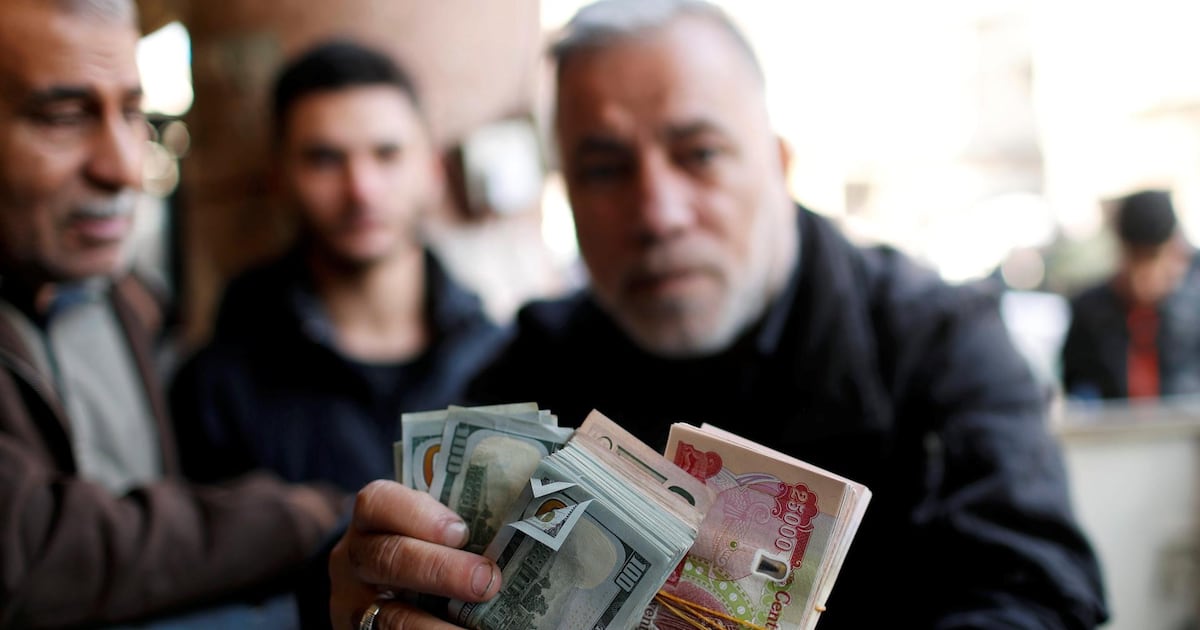
Iraq is once again revisiting a contentious proposal to remove zeros from its currency, the dinar, as it grapples with a growing financial crisis. This plan, which aims to enhance the currency’s value and optimize the country’s monetary system, has resurfaced amid growing economic challenges, including oil export disruptions.
Current Discussions on Currency Reform
Ahmed Rasheed, a member of the Parliamentary finance committee, stated that the Central Bank of Iraq is currently evaluating the potential currency reform. While it is still in the discussion stage and has yet to be presented to parliament, the dialogue is more serious than in previous instances. Mr. Rasheed emphasized that while a legal proposal has yet to be drafted, the rationale behind deleting zeros from the dinar is being taken seriously by economic officials.
This initiative is not entirely new; discussions about removing zeros have persisted in Iraq for over twenty years. The idea first emerged during the time of Paul Bremer, the former U.S. civil administrator, in 2003. Despite its frequent revival, the plan has never been executed. With the ongoing economic strain exacerbated by the closure of the Strait of Hormuz, which is crucial for oil exports, the urgency of this issue has intensified.
Economic Context and Challenges
The economic landscape in Iraq has been challenging, particularly with the declining revenue from oil, which accounts for a significant portion of the federal budget. Oil exports, which were approximately 3.4 million barrels per day prior to the onset of conflict, faced a sharp decline, further straining government finances. Recent reports indicate a slight recovery, with exports stabilizing at around 2 million barrels per day; however, the impact on overall revenue is still severe. For instance, oil revenue fell from $6.8 billion in February to approximately $2.3 billion in May and June, while Iraq’s expenditures on salaries and social programs amount to about $6.5 billion monthly.
As financial pressures mount, the proposed currency overhaul aims to address not just the value of the dinar, but also the significant quantities of cash hoarded outside formal banking channels. Mr. Rasheed noted that an estimated 70 trillion Iraqi dinars are currently outside the control of the monetary authority, creating challenges for effective economic management.
Addressing Cash Hoarding and Economic Stability
The central objective of removing zeros is to restore the dinar’s true value and mitigate structural issues within Iraq’s economy, which has long been plagued by cash hoarding. By encouraging cash currently held in homes to be reintroduced into the financial system, the government hopes to enhance not only the health of the dinar but also the overall economic landscape.
Officials believe that compelling citizens to exchange their old notes for new currency can help bring idle cash back into circulation. Minister of Communications Mustafa Sanad has voiced a commitment to moving forward with this plan, emphasizing its role in both addressing the economic crisis and contributing to anti-corruption efforts.
The Path Forward and Implications
Although discussions have progressed, caution remains regarding a timeline for implementation. Suggestions of a gradual rollout, potentially beginning in 2027, have been mentioned, but no official timeline has been established. The new notes may be produced abroad, potentially in the UK. A government spokesperson recently reiterated that any decisions regarding currency reform need to go through the Central Bank of Iraq and require parliamentary approval.
If successfully executed, Iraq would join several nations, such as Turkey and Brazil, that have previously undertaken similar currency reforms. The transition would likely entail a period during which both old and new currency circulate, aiming to minimize confusion among the public while enhancing the dinar’s credibility.
In conclusion, as Iraq navigates this complex currency reform discussion, careful planning and execution will be vital for achieving the intended economic stability, restoring public confidence in financial institutions, and addressing the underlying issues that have hampered growth and development for years.