
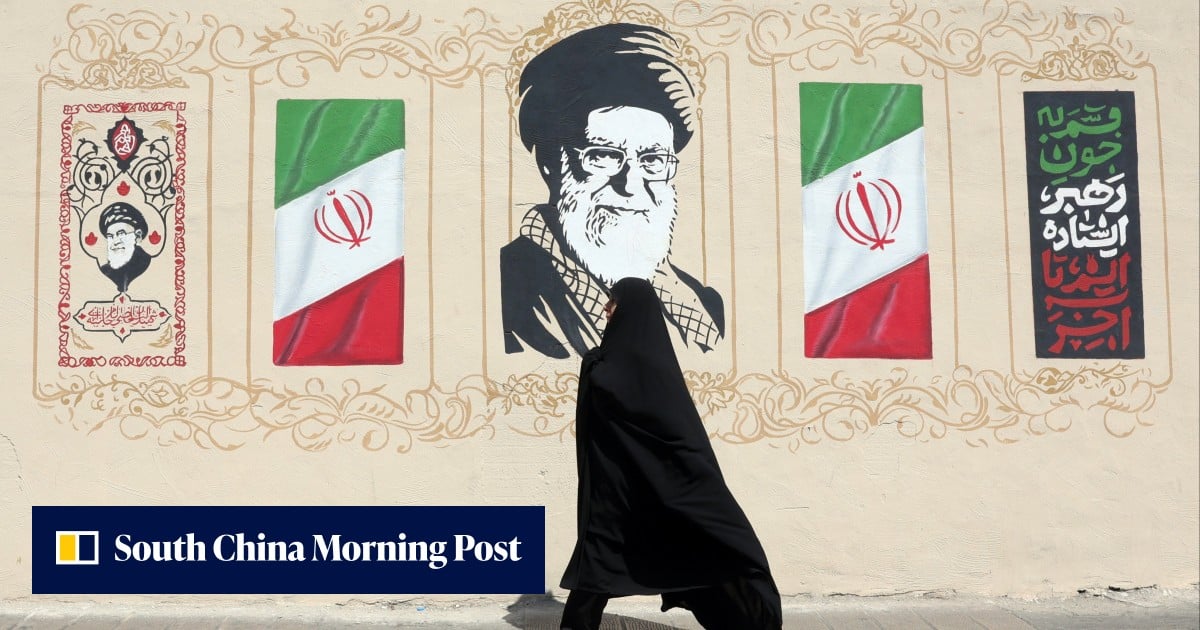
The ongoing conflict between Iran and the United States has taken a notable turn, as Tehran signals a strategic shift from a defensive posture to a more aggressive offensive stance. With six months of war now underway, analysts suggest that Iran believes it can leverage its position to further its objectives and potentially alter the current stalemate.
Iran’s Transition from Retaliation to Offense
Since the outbreak of hostilities triggered by US-Israeli strikes on February 28, Iran has largely characterized its military actions against the US, Israel, and Gulf nations as acts of vengeance. This narrative has defined Tehran’s approach to the conflict thus far. However, reports indicate a significant change in rhetoric from Iranian officials, who are now placing greater emphasis on initiating offensive operations while maintaining control over critical waterways, specifically the Strait of Hormuz. This strategic location serves as a vital channel for global energy transport and provides Iran with substantial leverage over the United States and its allies.
Strategic Military Adjustments by Iran
In a recent reshuffling of its top military leadership, Iran’s Supreme Leader Mojtaba Khamenei advocated for bolstering deterrence capabilities. He called for a focus on preparing for large-scale offensive operations against perceived enemies. The Iranian Revolutionary Guards have also hinted at revising their military doctrine to prioritize offensive strategies, suggesting that Iranian military planners are adapting to the evolving dynamics of the conflict.
This shift in strategy may indicate Iran’s attempt to redefine the rules of engagement, moving from a passive responsive stance to one that actively seeks to dictate the terms of the conflict. The willingness to escalate military action could be seen as a calculated decision aimed at reshaping the landscape of regional geopolitics.
Implications of Iran’s Military Strategy
Analysts are cautious about interpreting Iran’s strategic pivot as an outright declaration of war. Expert Sina Toossi from the Centre for International Policy noted that while Tehran’s approach is evolving, it does not necessarily signify a commitment to a doctrine of preemptive warfare. Instead, it suggests that Iranian leaders have assessed the situation and determined that, when faced with unavoidable confrontation, it is prudent to act decisively and escalate matters rapidly, rather than wait for the US or Israel to dictate the terms of engagement.
As tensions continue to rise, Iran’s strategic decisions may carry significant ramifications not just for the region, but for global energy markets. Control over the Strait of Hormuz could amplify disruptions in oil supply, subsequently influencing energy prices worldwide. This potential threat adds an additional layer of urgency for stakeholders involved, heightening the stakes of an already combustible situation.
In conclusion, Iran’s shift to a more offensive military strategy reflects a broader re-evaluation of its position in the ongoing conflict with the US. By prioritizing offensive operations and leveraging strategic locations, Tehran is aiming to assert its influence while reshaping regional dynamics. As the situation progresses, it will be crucial for observers to monitor how these changes affect both military engagements and global energy stability.