
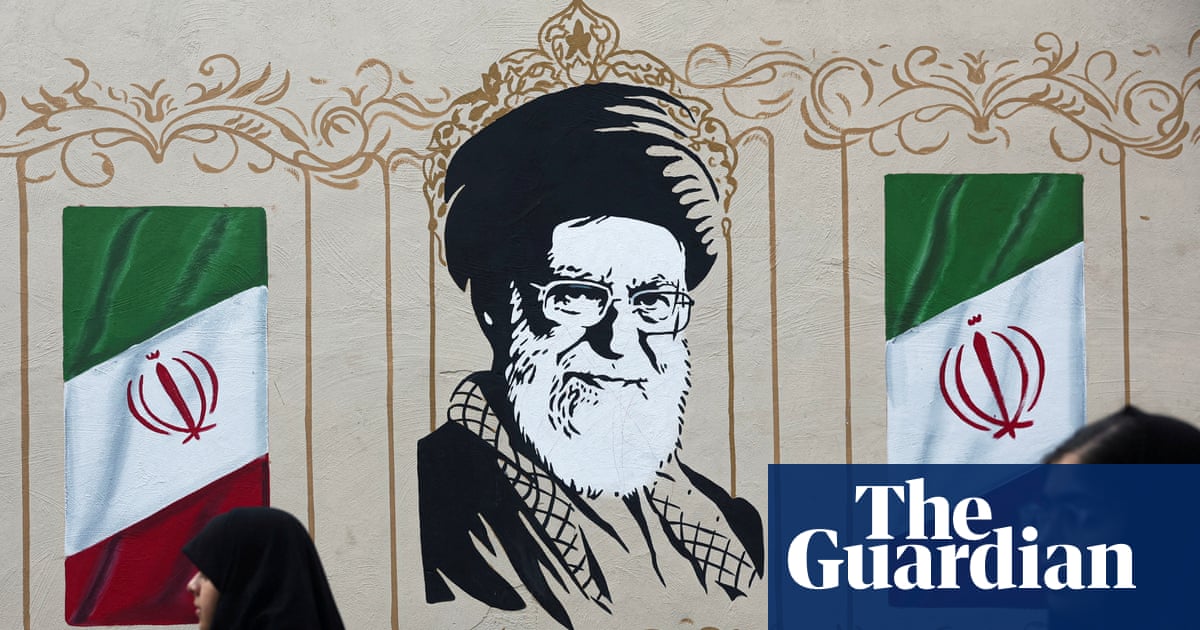
Donald Trump is reviving his campaign to impose severe economic restrictions on Iran, warning of significant repercussions for any country that engages in business or trade with Tehran. This strategic shift may provoke a renewed confrontation with China, which is Iran’s largest trading partner, raising concerns about the geopolitical landscape as tensions escalate.
Trump’s Economic Threats Against Iran
According to Trump’s announcement on social media, he is launching “the most crushing economic operation ever taken against any country.” He emphasized that any nation enabling financial or logistical support to Iran will face “tremendous economic consequences.” However, the specifics of the measures he intends to implement remain unclear, casting uncertainty over the potential impact on global economies, especially as the war in the region approaches its six-month mark.
With midterm elections in the U.S. approaching, Trump is under pressure to address rising issues related to the war’s expenses, which have been exacerbated by fluctuating oil prices. His previous military actions against Iran included a temporary pause on attacks, as reported by Pentagon advisors who indicated that the U.S. had nearly exhausted viable military targets in the region, rendering the ongoing offensive less effective.
Shifts in U.S. Strategy and Economic Isolation
Recent weeks have showcased a noticeable adjustment in U.S. policy towards Iran’s economy. Treasury Secretary Scott Bessent confirmed that efforts to isolate Iran economically are intensifying, suggesting a coordinated push to strengthen these measures. Under the initiative titled “Operation Economic Fury,” the U.S. aims to cut off financial resources that sustain Iran’s economy, while also enforcing a naval blockade to restrict oil exports from Iranian ports.
Despite the existing sanctions, which have significantly stunted Iran’s economic capabilities, the country has demonstrated resilience by developing alternative trading routes, including the use of covert tanker operations to export oil. Trump’s latest announcement specified the immediate cessation of various activities like oil smuggling and financial exchanges deemed crucial for Iran’s economy.
The Complexity of International Relations
Although Trump’s language hints at potential secondary sanctions against countries purchasing Iranian oil, experts caution that such actions might lead to direct conflict with China. As the U.S. attempts to redefine its trading dynamics with Beijing, targeting Chinese imports could complicate diplomatic relations at a critical time, especially with Chinese President Xi Jinping expected to visit the U.S. soon.
The implications of these developments are vast, with Gregory Brew of the Eurasia Group asserting that it would be challenging for the U.S. to impose sanctions on China, given its significance to Iran’s financial survival. Iran’s leadership remains resolute, as conveyed by adviser Mohammad Mokhber, who insists that neither military pressure nor sanctions could break their resolve. Instead, Iran is open to negotiations but firmly distinguishes them from capitulation.
In a related development, the United Arab Emirates announced a suspension of all trade relations with Iran following the detection of missiles launched from Iranian territory. Historically, the UAE has been one of Iran’s key trading partners, responsible for over 30% of Iran’s imports prior to the outbreak of hostilities.
While military actions in the Strait of Hormuz continue, reports indicate that U.S. forces are facilitating the passage of ships through this crucial waterway. However, tracking data suggests that cargo volumes remain significantly lower than pre-war levels. Former Israeli military intelligence official Danny Citrinowicz remarked on the sustainability of U.S. operations, noting that while tactical developments are significant, they are unlikely to force a shift in Iran’s stance during negotiations.
As the situation evolves, the international community will be watching closely how these economic strategies impact regional stability, trade relations, and the broader geopolitical climate.