
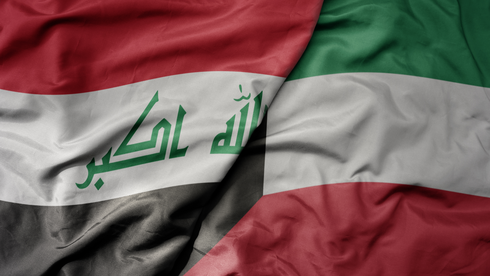
The maritime tensions between Kuwait and Iraq have resurfaced, spotlighting a longstanding dispute over the Khor Abdullah waterway. This maritime boundary has been a point of contention for many years, and recent events have reignited the debate amidst a backdrop of regional conflicts, including tensions involving Iran.
The Historical Context of the Dispute
The Khor Abdullah, situated between Iraq’s Al-Faw Peninsula and the Kuwaiti islands of Warbah and Bubiyan, has significant strategic importance. It serves as a vital shipping route for vessels headed to Iraq’s Umm Qasr port while also accommodating Kuwaiti maritime traffic to Mubarak Al-Kabeer Port. The intricate history of the border dates back over 90 years to 1932 when Iraq initially delineated territorial lines with Kuwait. However, it wasn’t until 1963 that Iraq formally recognized Kuwait’s sovereignty. Unfortunately, the status of Khor Abdullah remained a stumbling block.
The Gulf War brought further complications, as the United Nations stepped in to define borders between the two nations. In 1993, a U.N. commission produced specific geographic points defining the boundary, ending at Point 162 adjacent to Khor Abdullah. This designation stipulated that the waterway itself would require joint navigational regulations—a rule that has come under scrutiny in recent years.
Recent Incidents Escalating Tensions
Tensions surged dramatically in July 2023 with the tragic death of an Iraqi fisherman at the hands of Kuwait’s coast guard. Reports indicated that the Kuwaiti forces opened fire to detain an Iraqi fishing boat allegedly trespassing into Kuwaiti waters. Following this incident, Iraqi officials criticized Kuwait’s actions, prompting public outrage and calls for government intervention. While Kuwait maintained that the shooting was unintentional, the loss of life inflamed existing grievances and prompted protests demanding accountability.
In February, Kuwait’s Foreign Ministry expressed its discontent with Iraq’s attempts to claim maritime territories via a presentation to the United Nations. This conflict not only involved territorial disputes but also demonstrated a broader struggle for influence in the region, wherein neighboring nations like Saudi Arabia and Qatar sided with Kuwait.
The situation was further complicated by recent political developments in Iraq. In a striking turn, the Iraqi Federal Supreme Court ruled that the Khor Abdullah Agreement—intended to regulate maritime navigation—was unconstitutional, as it lacked prior parliamentary approval. This decision has sparked additional frustration and confusion, leaving both parties without a clear path forward.
Regional Implications and Broader Concerns
The maritime disputes have broader implications, especially as they intersect with regional tensions involving Iran. Reports have surfaced regarding hostile actions by Iranian forces targeting both Iraq and Kuwait, such as drone attacks on Kuwaiti territory and strikes in the Kurdish region of Iraq. The geopolitical landscape is further complicated by the presence of pro-Iranian militias in Iraq, raising concerns about escalating conflicts in the Gulf.
Moreover, Iraq’s sovereignty has been threatened as it grapples with both internal dissent and external pressures. The current maritime tensions not only point to an enduring dispute but also highlight the significant challenges that both countries face in maintaining their territorial integrity amid complex regional dynamics.
In conclusion, the Khor Abdullah waterway remains a hotbed of contention between Kuwait and Iraq, serving as a reflection of both historic grievances and modern geopolitical concerns. The interplay of maritime law, national sovereignty, and regional politics makes this dispute particularly intricate and significant not only for the two nations involved but also for the broader Middle East.