
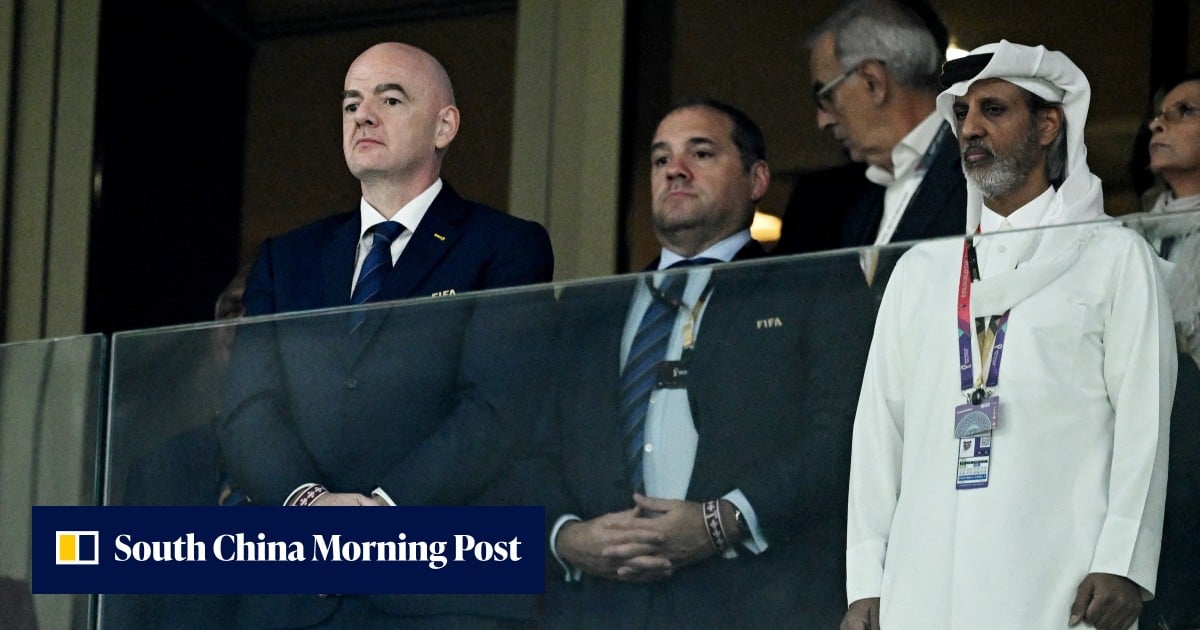
The Qatar Football Association (QFA) has expressed significant concerns about the lack of member consultation prior to the Asian Football Confederation (AFC) signing an open letter with Uefa and Concacaf, which criticized Fifa President Gianni Infantino. This situation highlights ongoing tensions in the realm of international football governance.
Concerns Over Lack of Consultation
The QFA’s issues stem from the apparent absence of prior discussion with its members before the AFC made its critical statements about Infantino. As the Fifa president seeks re-election next year, he has faced increasing scrutiny, particularly after the letter challenged his leadership, drawing attention to the failed initiative to attract private investment into the World Cup. This open criticism from powerful football confederations marks a significant shift in sentiment towards leadership within the sport.
In a recent communication, QFA President Hamad bin Khalifa Al-Thani, who has been a longstanding supporter of Infantino, described the AFC’s response to the QFA’s initial complaint as unsatisfactory. He asserted that the AFC’s letter not only failed to answer critical questions but also raised even more concerns regarding procedural integrity. This kind of internal discord within football’s governing bodies can have lasting ramifications for the sport, particularly in how decisions are made and how much power member associations wield.
The Need for Transparency in Governance
Al-Thani specifically criticized the AFC for not consulting its executive committee or its member associations prior to issuing the controversial statement that questioned Infantino’s conduct. This oversight, according to him, raises serious questions about the AFC’s governance practices and the decision-making protocols that are supposed to guide such actions.
He pointed out that while the AFC might have extensively addressed the Fifa Forward Enterprise (FFE) proposal and Fifa’s activities in its reply, none of that information clarified whether proper consultations had taken place amongst member associations before the statement was released. Al-Thani’s response underscores the need for greater transparency within football’s administrative structures, particularly when matters of significant importance arise, such as leadership and investment in major events like the World Cup.
Implications for Football Governance
The lack of consultation could set a concerning precedent that might affect future cooperation among football organizations and their member associations. If member organizations feel sidelined or disregarded, it could fundamentally undermine the cooperative nature that FIFA and its confederations strive to maintain. Such internal conflicts risk eroding trust and cohesion among the various stakeholders involved in the sport.
This episode also reflects broader challenges within football governance, where the balance of power can become unsteady when individual interests clash with collective decision-making processes. As the situation unfolds, it remains vital that governing bodies consider the ramifications of their actions and ensure that all stakeholders are engaged in critical conversations affecting their operations.
In summary, the QFA’s concerns about the AFC’s lack of consultation regarding the recent criticism of Gianni Infantino highlight crucial issues surrounding governance, transparency, and the need for cohesive collaboration among football associations worldwide. As the landscape of international football continues to evolve, these discussions will likely play a pivotal role in shaping the future of the sport.