
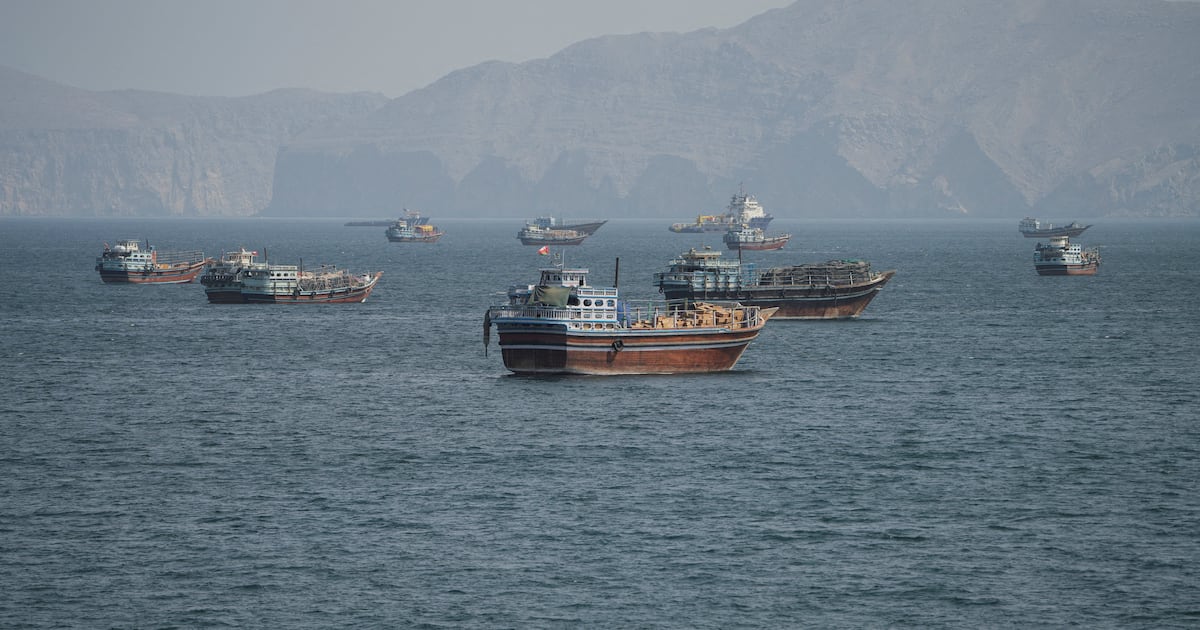
Middle Eastern oil exports have seen a remarkable surge, surpassing levels recorded before geopolitical tensions escalated. This development highlights the dynamic nature of the oil market and the resilience of crude oil producers in the region, particularly in light of various challenges, including ongoing U.S. sanctions on Iran.
Surge in Crude Oil Exports
Recent data indicates that the volume of crude oil being exported from the Middle East has reached its highest point since prior to the onset of regional conflicts. This upward trend is attributed to a combination of factors, including increased global demand for oil and strategic adjustments made by exporters. Middle Eastern producers have successfully navigated the complexities of international trade routes, allowing them to maintain and even expand their market share.
The situation becomes particularly noteworthy when examining Iran’s position in the market. Despite facing stringent U.S. sanctions that have curtailed its shipping activities, Iran has demonstrated resilience. However, the extent of its oil exports has plummeted, making it increasingly clear that U.S. policies significantly impact its capacity to compete on the global stage. This has prompted other Middle Eastern nations to seize the opportunity and solidify their positions as key players within the global oil supply chain.
Shifts in Shipping Routes
In response to heightened tensions in the Strait of Hormuz, a vital maritime corridor through which a substantial percentage of the world’s oil passes, Middle Eastern oil producers are adapting their shipping strategies. The strait has always been a focal point for geopolitical conflicts, and recent escalations have made navigating these waters increasingly precarious. Recognizing the potential risks, oil exporters are exploring alternative routes and methods to ensure uninterrupted supply.
This shift in logistics has implications not only for shipping costs but also for global oil prices. The adaptability shown by these nations underlines their importance in meeting the world’s energy needs while balancing the challenges presented by regional instability. Their ability to pivot quickly in response to geopolitical realities allows them to maintain exports even in the face of obstacles.
The Future of Middle Eastern Oil Exports
Looking ahead, the outlook for Middle Eastern oil exports remains cautiously optimistic. As global demand for energy continues to rise, particularly in emerging markets, Middle Eastern oil producers are well-positioned to capitalize on this trend, assuming they can navigate the political landscape effectively. The strategy of diversifying shipping routes and increasing overall export capabilities has proven beneficial.
Nonetheless, uncertainty looms, especially given the geopolitical tensions that persist in the region. Any shifts in international policy or further escalations could dramatically affect both the volume of exports and the strategic approaches employed by these countries. Proactive planning and adaptive strategies will further determine their success in maintaining their status as major oil exporters.
In summary, while Middle Eastern crude exports have indeed exceeded pre-war levels, the road ahead is fraught with challenges. Navigating these complexities while continuing to meet global energy demands will be crucial for maintaining the region’s pivotal role in the oil market. The ongoing adaptations by producers highlight their resilience and commitment to remaining competitive, irrespective of external pressures.