
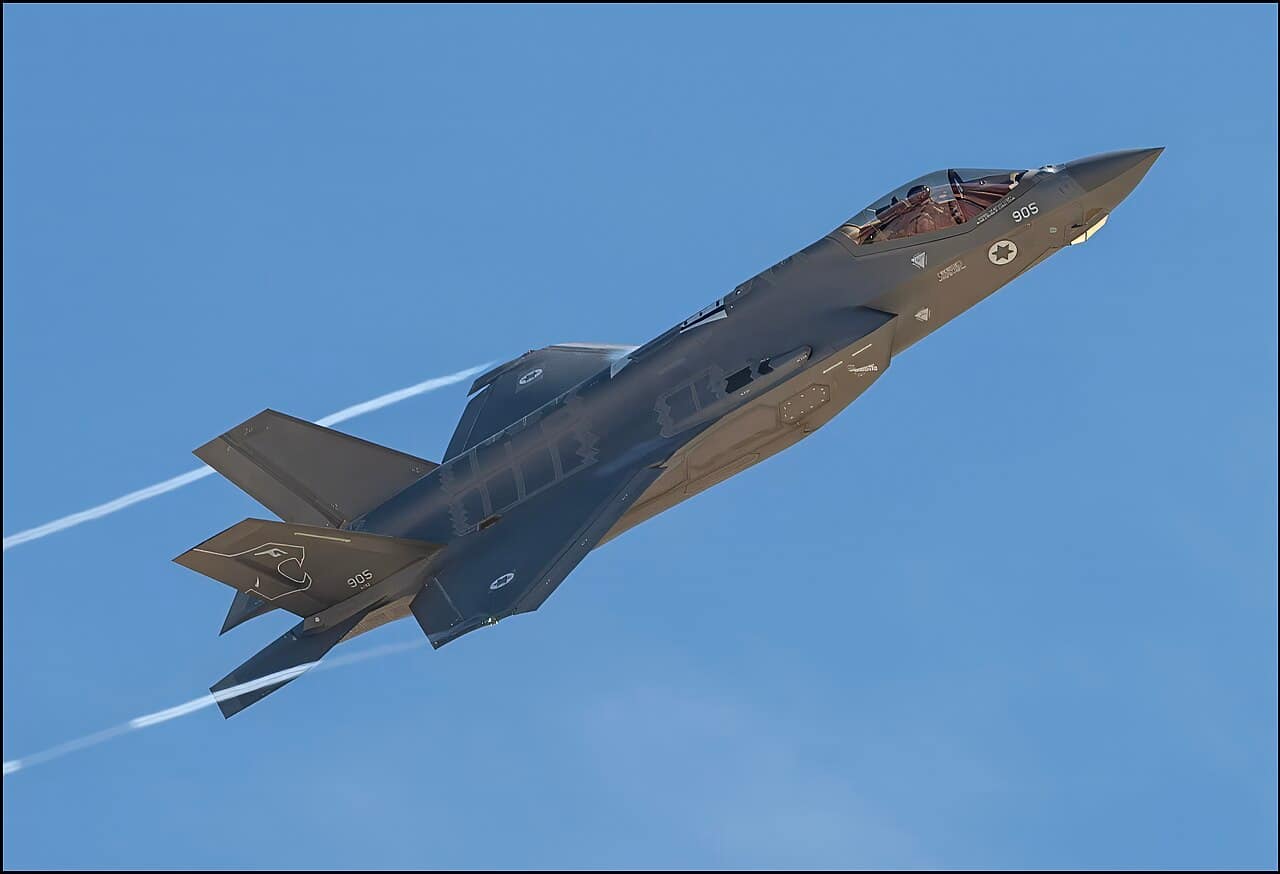
It was a dramatic night that marked a significant escalation in Middle Eastern tensions. Early on August 19, 2026, Israeli aircraft launched a series of eight airstrikes targeting the Abu Duhur airbase located in Syria’s Idlib province. This aggressive maneuver came with a clear message aimed at Ankara, signaling a shift in the dynamics of the already fraught security landscape.
Details of the Airstrike
The assault on the Abu Duhur airbase was executed with precision, resulting in substantial damage to the facility’s runway while miraculously avoiding any casualties, according to reports from Syrian state media. Israel justified the operation as a preemptive measure to thwart the expected deployment of Turkish forces to the airbase. This assertion aligns with insights from war observers, noting that Turkey has been restoring the airfield, which had been largely inactive during Syria’s prolonged civil conflict.
The implications of this strike are profound, especially given Turkey’s significant role as a supporter of the Syrian government. Ankara’s involvement in rehabilitating the airbase indicates its growing influence in the region, a factor that Israel perceives as a direct threat to its national security.
Israeli Justifications for Military Action
Israeli officials, including Prime Minister Benjamin Netanyahu, articulated that the strikes were crucial to maintaining what they referred to as a “status quo in security matters.” According to Netanyahu’s office, Turkey’s deployment at the airbase was seen as a critical breach of the existing security arrangements, prompting Israel to act in its defense. This move highlights the delicate balance of power in post-civil war Syria, where both Israel and Turkey are seemingly locked in a silent competition to expand their influence over the region.
Since Bashar Assad’s regime collapsed in December 2024, Israel has been keenly aware of the shifting allegiances and power dynamics that could endanger its borders. Consequently, its military strategies appear increasingly assertive as it seeks to counter Turkey’s ambitions and assert its own interests in a fractious landscape.
Regional Reactions and Condemnations
The response to Israel’s airstrikes was immediate and vociferous. Syrian Foreign Minister Asaad al-Shibani condemned the attack as a blatant act of aggression that not only undermines Syria’s sovereignty but also poses a threat to regional stability. In a show of unity, Turkey’s Foreign Ministry echoed these sentiments, demanding international action against what they characterized as an escalation in hostilities. Condemnations also came from other nations, including Qatar, Egypt, and Saudi Arabia, reflecting the widespread concern about the increasingly volatile situation.
The Unexpected US Position
What took many observers by surprise was the sharp rebuke from the United States. Tom Barrack, the U.S. ambassador to Turkey, expressed Washington’s deep concern regarding the airstrikes, labeling them as an unnecessary escalation. He emphasized that they do not contribute to regional stability and counterproductive to ongoing diplomatic efforts aimed at de-escalating tensions between Israel and Syria.
Barrack also noted that the interim Syrian government had shown no intention of adopting a belligerent stance and had continually sought de-escalation. This development raises questions about the potential for U.S.-mediated negotiations, which have yet to yield a tangible agreement in over a year.
This latest military incident adds yet another layer of complexity to the already intricate relationship between Israel, Turkey, and Syria. As the dust settles, the questions of how these events will reshape alliances and rivalries in the Middle East remain urgent and pressing.