
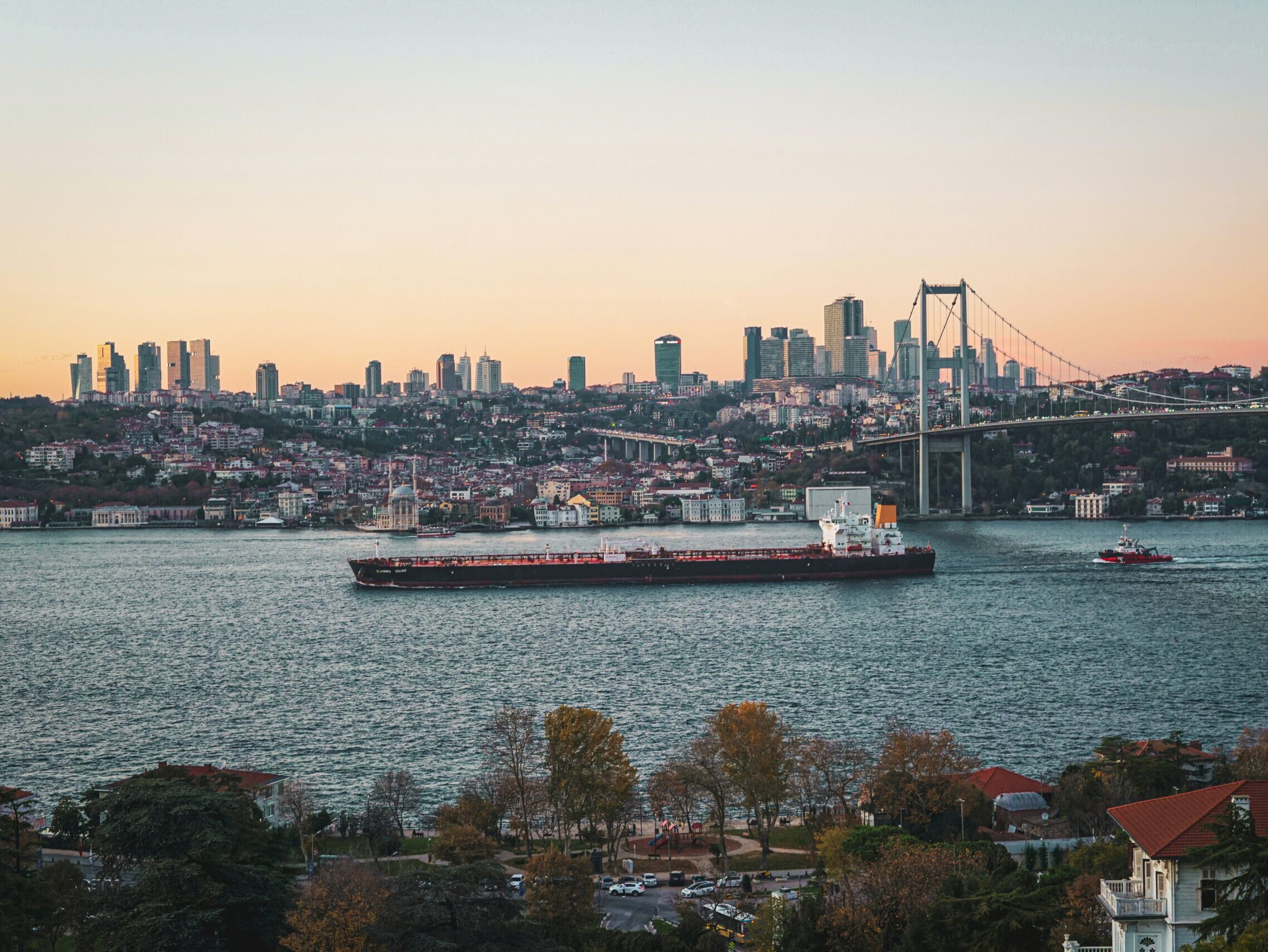
As summer vacationers enjoy the sun-kissed shores of Odesa, they are unexpectedly met with the grim sights of conflict, witnessing ships ablaze on the horizon. The ongoing turmoil in Ukraine has escalated dramatically, particularly concerning the Black Sea, where Russia has significantly increased its attacks on commercial vessels heading toward this vital port region.
The Growing Threat in the Black Sea
This year, Odesa and its neighboring ports—Chornomorsk and Pivdennyi—have borne the brunt of more than 180 Russian strikes in the first half of 2026, nearing the total of 2025. Notably, July saw a staggering 67 attacks on port facilities, alongside numerous assaults on vessels in and around the water. These aggressive maneuvers continue into August, as commercial ships, primarily laden with agricultural exports, face constant bombardment. A notable incident occurred on August 9, 2026, marking one of the most significant attacks on Odesa since the conflict began.
The ramifications of these strikes are dire. Approximately 90 percent of Ukraine’s agricultural exports traverse through Black Sea ports, suffering an estimated $1.5 billion in damage due to these hostilities. With around 90 percent of shipowners choosing to halt their port stopovers, alternative shipping routes can currently accommodate only about half of the cargo once dealt by sea. This situation undermines Ukraine’s economic vitality, further complicating an already challenging scenario.
Turkey’s Compromised Position
For Turkey, the intensifying conflict highlights vulnerabilities within its Black Sea strategy. Historically advocating for regional ownership, Ankara aims to minimize external influences while striving for a balance between Russia and Ukraine. However, Russia’s persistent aggressions challenge this paradigm. With Turkish companies owning or operating approximately 40 percent of the vessels trading in Odesa, Turkish interests are inherently at risk. Whether it’s cargo ships struck by missiles or ferry operations disrupted, Turkish maritime assets have faced increasing peril since 2022. Protecting these assets is crucial for Turkey’s stake in the region and its broader geopolitical agenda.
Recognizing the Real Threat
Ankara must be explicit in identifying the primary instigator behind the increasing tensions at sea. Following an attack on Turkish vessels near Novorossiysk that resulted in injuries to crew members, Turkey called for safety assurances from both Moscow and Kyiv. While calls for restraint are reasonable, suggesting that both sides share equal blame can obscure the reality of Russia’s ongoing campaign, which primarily targets Ukrainian maritime infrastructure and commercial shipping.
Indeed, while Ukraine has executed military operations against Russian-linked maritime assets, it remains crucial to delineate these from Russia’s broader campaign aimed at crippling Ukrainian economic lifelines. To illustrate, Ukrainian forces have specifically targeted over 200 Russian vessels engaged in hostilities, highlighting a defensive narrative juxtaposed against Russia’s aggression.
Looking Ahead: Future Implications
The ramifications of this conflict extend far beyond Ukraine. Recent incidents involving Russian drones in neighboring nations—including Moldova and Romania—underscore the potential for regional destabilization. As Ukraine’s counteroffensive continues, incidents involving uncontrolled drones demonstrate the pressing need for enhanced security measures across the Black Sea. The prospect of new energy projects, particularly Romania’s forthcoming gas production initiative, only amplifies the urgency for robust protections against potential Russian interference.
Regional Security: A Call to Action
For Turkey to assert its influence and maintain regional ownership in the Black Sea, it must take decisive actions to enhance maritime security. This involves leveraging its diplomatic and military influence to deter Russian aggression while simultaneously collaborating with regional allies like Romania and Bulgaria. Initiatives such as enhancing naval presence and improvement of coordinated responses to threats can help in safeguarding critical infrastructure and maintaining freedom of navigation.
Ankara’s current position affords it the opportunity to champion a more cohesive regional security framework designed to combat hybrid threats and counter Russia’s attempts to destabilize the area. If Turkey aims to preserve its aspirations for Black Sea stewardship, it must rally its partners, strengthen defenses, and respond to the escalating threats with a unified front.