
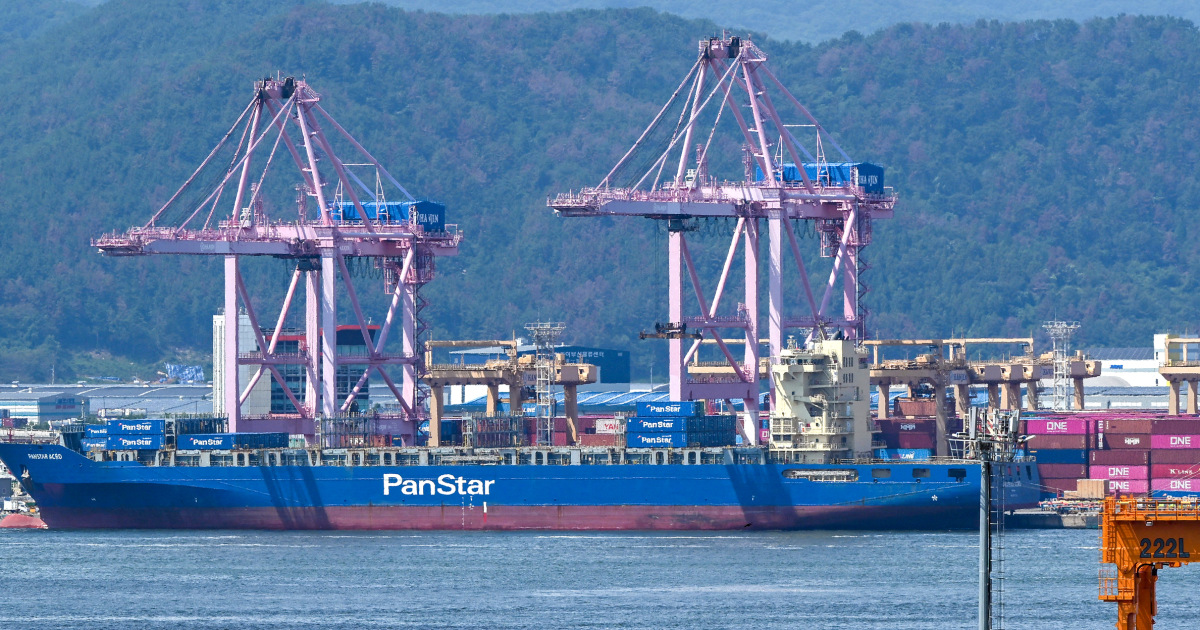
In today’s dynamic maritime landscape, some vessels grab our attention more than others. One such ship promises to redefine global trade dynamics, attracting interest from officials and industry workers alike. Whether you’re a U.S. representative keeping an eye on international relations or a dock worker in one of Europe’s major ports, the implications of this vessel are hard to overlook.
Reshaping Global Trade Routes
This innovative ship serves as a symbol of the evolving nature of trade. It is not merely a vessel; it embodies a transformative approach to logistics and supply chain management. With the growing interconnection between countries, the significance of this ship is magnified as it navigates both alliances and rivalries on the global stage. The strategic positioning of this vessel plays a critical role in facilitating smoother trade flows, especially in regions where competition is fierce.
Strategic Importance to the U.S.
For American officials, this ship represents more than just a transport method; it is a strategic asset. As the U.S. navigates complex geopolitical waters, having advanced ships capable of adapting to shifting trade dynamics becomes essential. This vessel allows the U.S. to strengthen its presence in vital trade routes while keeping a vigilant watch over both allies and competitors. It underscores the importance of maintaining robust trade relationships, particularly as nations vie for economic supremacy in a rapidly changing world.
The Growing Role of European Ports
European ports are stepping into a pivotal role in facilitating global trade. As this ship makes its inaugural journey, port workers find themselves at the forefront of an exciting new chapter in maritime commerce. The efficiency and capabilities of these ports are essential, reinforcing their status as key hubs in the global supply chain. This shift not only elevates the ports’ importance but also offers local economies opportunities for growth and development.
Overall Impact on Trade Dynamics
The impact of this vessel extends beyond its immediate journey; it has the potential to reshape trade dynamics entirely. By optimizing routes and streamlining logistics, the ship enhances trade efficiency worldwide. It alters the competitive landscape, paving the way for more agile responses to global demand fluctuations. As nations adapt to these changes, the ripple effects on economies, industries, and consumer behavior will be significant.
In conclusion, this noteworthy ship is a crucial catalyst for change in the global trade arena. Its implications resonate far and wide, from American policymakers to European port workers. As the vessel charts a course marked by innovation and strategic foresight, it underscores the importance of adaptability in a complex world where trade relationships are continually evolving.