
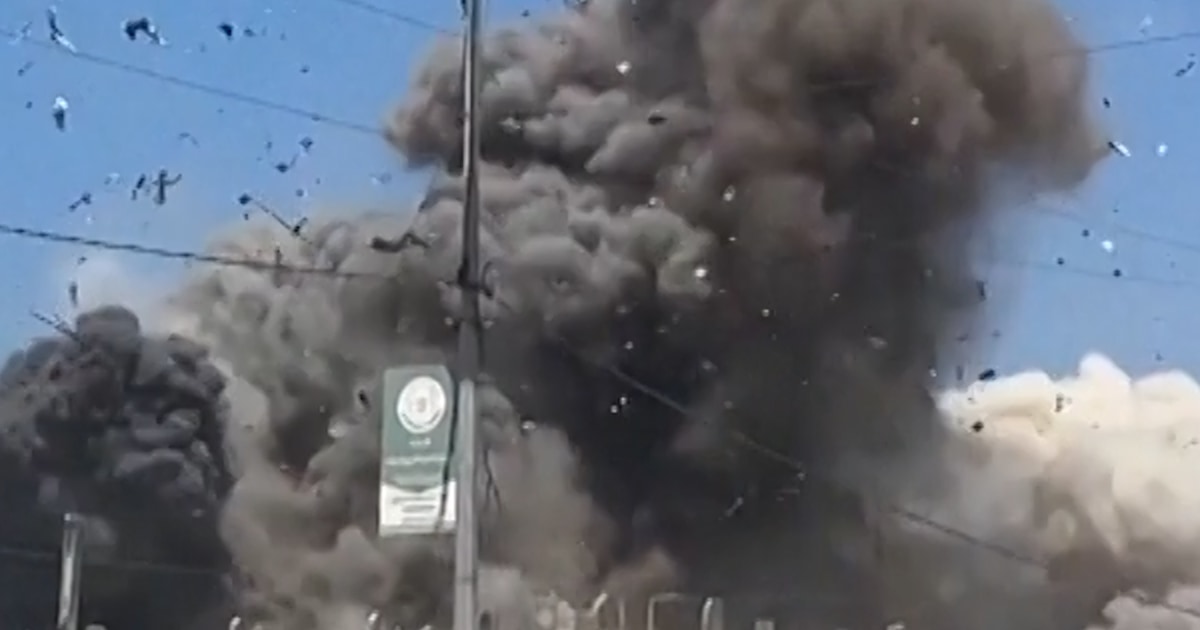
Israel’s recent airstrikes on Gaza have escalated tensions in an already volatile region. The situation has drawn international attention as the conflict continues to evolve, affecting the lives of countless civilians. In this article, we will explore the causes, implications, and possible future scenarios regarding the ongoing conflict.
Background of the Conflict
The roots of the Israeli-Palestinian conflict date back many decades, with a history characterized by territorial disputes, political strife, and deep-seated animosities. Both sides claim historical and cultural ties to the land, leading to a complex and often violent struggle over sovereignty and self-determination. Recent escalations have heightened fears of a broader conflict, with airstrikes becoming a common military response by Israel to perceived threats from Gaza. These actions typically follow rocket fire from Palestinian groups, which Israel regards as acts of aggression.
Impact on Civilians
The humanitarian crisis resulting from ongoing airstrikes on Gaza is severe. Thousands of civilians have been affected, facing loss of life, displacement, and destruction of property. Hospitals and schools have been targeted, exacerbating an already desperate situation. International organizations have spoken out against these actions, calling for immediate ceasefires and humanitarian assistance. Children and families often bear the brunt of such conflicts, creating generations marked by trauma and instability. As casualties rise and infrastructure crumbles, the urgent need for resolution becomes increasingly clear.
International Response
The international community’s response has been mixed, with some nations supporting Israel’s right to defend itself, while others condemn its military actions as disproportionate and detrimental to peace efforts. Calls for dialogue and negotiations often emerge during escalations, yet substantial progress remains elusive. United Nations resolutions aimed at ceasing hostilities have frequently faced vetoes or lack of support from key players, resulting in a stalled diplomatic process. The complexity of alliances and geopolitical interests complicates any potential resolution and prolongs the suffering of those caught in the crossfire.
The Path Forward
As the situation continues to evolve, various scenarios present themselves. A ceasefire is essential for humanitarian relief, yet achieving a lasting peace will require significant political will from both Israeli and Palestinian leadership. Grassroots movements and dialogue can pave the way for understanding and collaboration between communities, potentially fostering a more peaceful coexistence. While the notion of a two-state solution has been heavily debated, new approaches may be necessary to address the evolving dynamics. Without proactive measures, the cycle of violence may persist, leading to further suffering on both sides.
In summary, the airstrikes in Gaza represent a critical juncture in the Israeli-Palestinian conflict, reflecting long-standing tensions and the dire humanitarian consequences. A multifaceted approach involving international cooperation, empowerment of local voices, and a commitment to dialogue is imperative for achieving lasting peace in the region. The world watches closely, hoping for a resolution that honors the rights and dignity of all involved.