
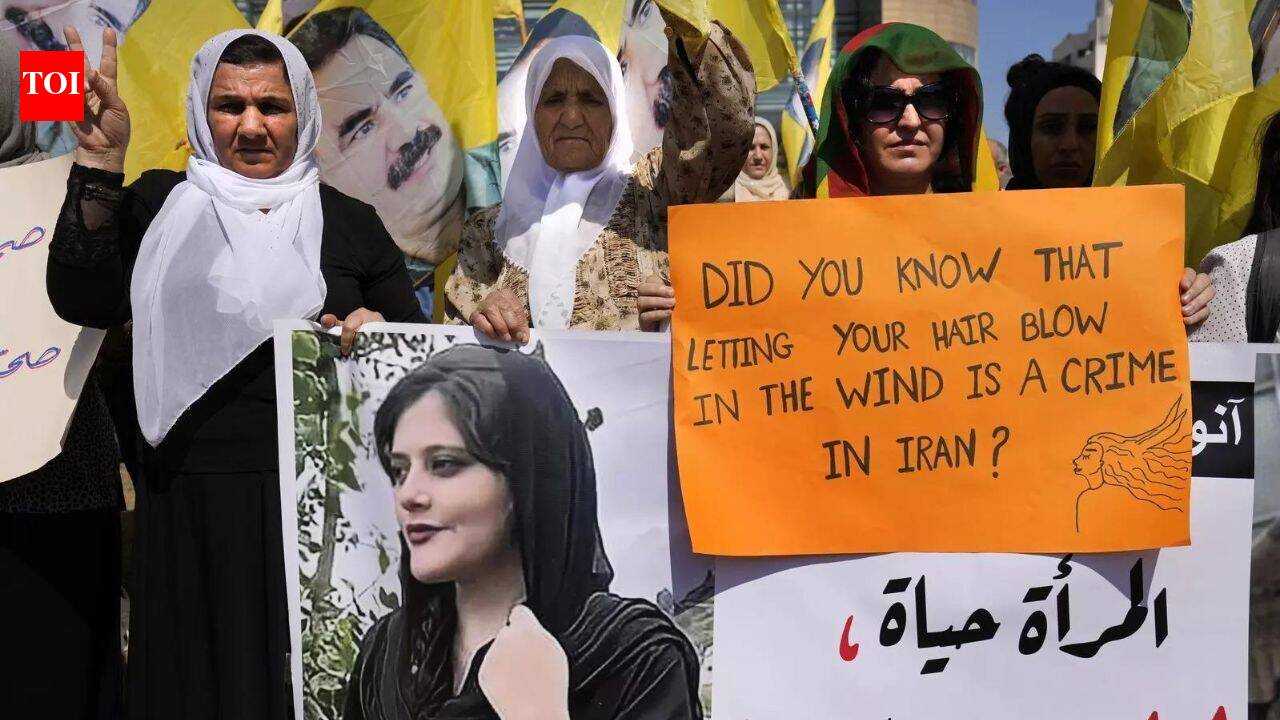
The ongoing debate surrounding the compulsory hijab in Iran has seen a resurgence as conservative factions advocate for stricter regulations. This development occurs amid heightened tensions resulting from Iran’s geopolitical conflicts, especially with the United States. Historically, there were instances when women appeared without headscarves in public and media during periods of crises, indicating a reluctance among authorities to enforce mandatory dress codes when faced with more significant issues. However, recent weeks have witnessed a shift, as conservative clerics and politicians intensify their demands for crackdowns on what they term “public nudity.”
Closure of Businesses for Hijab Violations
The Iranian authorities have taken decisive actions against businesses failing to enforce hijab regulations. Reports from human rights organizations like HRANA indicate that numerous establishments, including at least seven cafes in Tehran, have been shut down for not adhering to mandated dress codes. The crackdown isn’t limited to physical establishments; social media accounts that allegedly promote non-compliance with these dress norms have also faced obstructions. Terms such as “violation of norms” and “failure to observe Islamic decency” are frequently employed by the authorities to justify these actions. For instance, a boutique was closed solely for the alleged display of “unveiling,” demonstrating the stringent measures taken against perceived infringements.
Women Standing Up Against Restrictions
Despite the renewed enforcement efforts, many women in Iran continue to resist compulsory hijab rules. The tragic death of Mahsa Amini while in police custody four years ago ignited the nationwide “Woman Life Freedom” protests, emphasizing the ongoing struggle against strict dress codes. Although these protests faced severe repression, numerous women still openly defy hijab regulations. High-profile incidents, such as the sentencing of singer Parastoo Ahmadi to lashes for appearing without a headscarf, reflect the extreme measures authorities are willing to take. Younger generations have increasingly taken to social media to showcase their rebellion, including videos of women riding motorcycles without head coverings.
Debate on Enforcement and Cultural Change
Divergent views within Iranian politics highlight the complex nature of hijab enforcement. President Masoud Pezeshkian has articulated concerns regarding whether stricter laws can indeed reshape societal behaviors. He emphasized the importance of cultural engagement and personal belief over forced compliance, challenging the effectiveness of the current approach to enforcing dress codes. Historical perspectives suggest a need to prioritize economic concerns over hijab regulations, as evidenced by insights from former MP Gholamali Jafarzadeh Imanabadi.
Pressure from Hardliners for Strict Action
While some officials advocate for a softer approach, hardline elements within the Iranian government persistently push for stringent enforcement of hijab laws. Prominent figures, like Kayhan editor Hossein Shariatmadari, frame the enforcement of these laws as both a legal and religious imperative. The Iranian Islamic Penal Code criminalizes public appearances without the hijab, but no clear definition specifies what constitutes an “Islamic hijab.” Despite proposals for harsher penalties, including extended surveillance, there has been hesitance to implement these regulations fully. Observations from everyday citizens reveal a growing acceptance of more relaxed dress codes, suggesting that societal attitudes may be shifting. A resident expressed skepticism about the authorities’ ability to reinstate mandatory hijab compliance, reflecting a broader sentiment of change amid uncertainty.