
In today’s fast-paced political landscape, significant events are unfolding, particularly in South Carolina, as voters prepare to select a Republican candidate to fill the vacancy left by the late Senator Lindsey Graham. Meanwhile, the Trump administration is set to embark on an unprecedented wave of mass visa revocations. Additionally, students at Penn State are responding to the fallout from a significant drug trafficking bust that has drawn national attention.
South Carolina: A Test of Trump’s Political Power
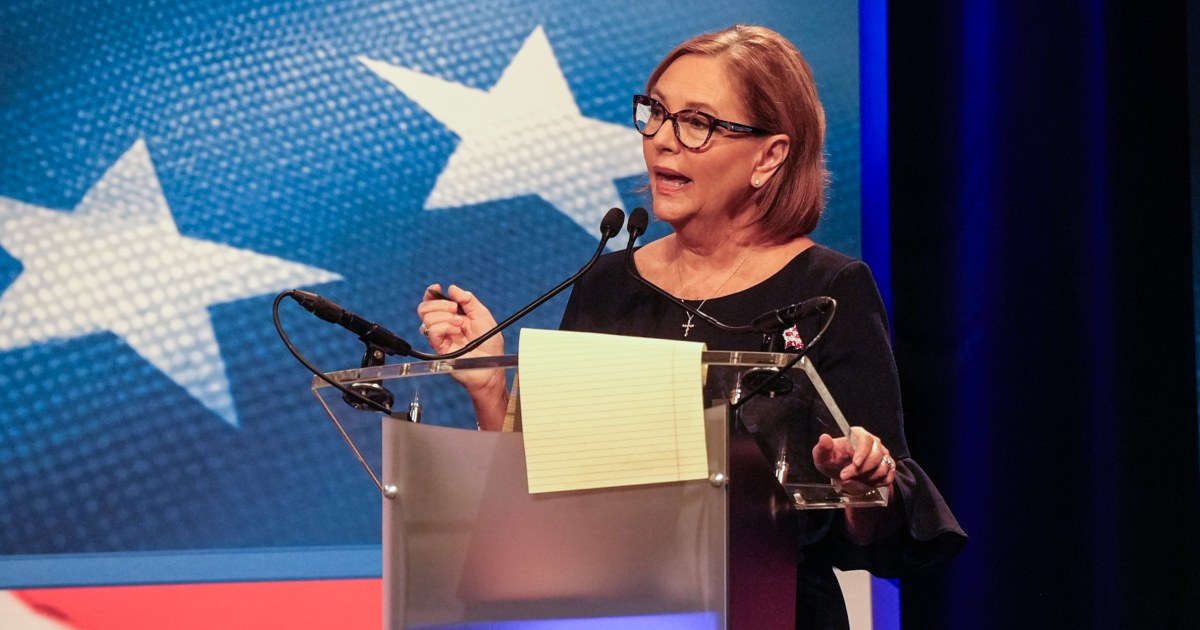
South Carolina is currently seeing a crucial test of former President Donald Trump’s political influence. His support for Darline Graham, the sister of the late Senator Lindsey Graham, comes amid scrutiny over her candidacy following a misstep in a recent debate. This election will measure whether Trump’s endorsement still holds weight in Republican Party circles, particularly as Graham faces off against Representative Ralph Norman. Norman has branded Graham as the “establishment” candidate, tapping into sentiments of some Trump supporters who are concerned about her lack of political experience.
The Republican runoff in South Carolina serves as a litmus test during this electoral season. The outcome could indicate how much sway Trump still possesses in critical Republican contests. Similarly, in Oklahoma’s gubernatorial primary, Attorney General Gentner Drummond has leveraged his relationship with Trump, despite the former president endorsing his opponent. Trump’s recent comments describing Drummond as a “fake Republican” further complicate this race, showcasing the heightened stakes involved.
Mass Visa Revocation on the Horizon
The U.S. State Department is poised to announce a historic mass revocation of business and tourism visas, specifically targeting B1 and B2 classifications issued between 2016 and 2026. Up to 200,000 individuals could be impacted by this policy, which aims to revoke the visas of those who have either sought asylum or are in the process of seeking it. This action is anticipated to be the largest single visa revocation in U.S. history.
While these revocations do not automatically lead to the deportation of affected individuals, they may provoke legal challenges, drawing attention to the administration’s strict immigration policies. Immigration experts are closely monitoring this situation as it unfolds.
Reactions at Penn State to a Drug Trafficking Scandal
The recent indictment of 14 individuals in a cocaine trafficking ring linked to Penn State fraternities has stirred both shock and indifference on campus. Many students, when approached, admitted they were unaware of the situation or had little concern about its implications. Despite the severity of the allegations, it seems there is a disconnect between the gravity of the news and the responses from the student body.
During my conversations on campus, students expressed a surprising lack of interest, with many unfamiliar with the accused or dismissing it as not particularly significant. This reaction reflects an ongoing trend at Penn State, which has faced scrutiny over Greek life-related scandals in previous years.
Other Political Developments
In addition to the Pennsylvania drug ring coverage, other significant political updates include the Supreme Court granting an initial victory to the Trump administration regarding mail-in ballot regulations. The administration’s push to limit who can receive these ballots before upcoming midterm elections stands as a critical issue.
Moreover, ongoing developments surrounding Iran and potential new sanctions are gripping the international political scene. Treasury Secretary Scott Bessent’s warning of an “economic D-Day” serves as a stark reminder of the administration’s aggressive stance on foreign policy.
As these headlines continue to develop, they will undoubtedly have lasting implications on both local and national stages. Stay tuned for more updates on these compelling stories as they unfold.