
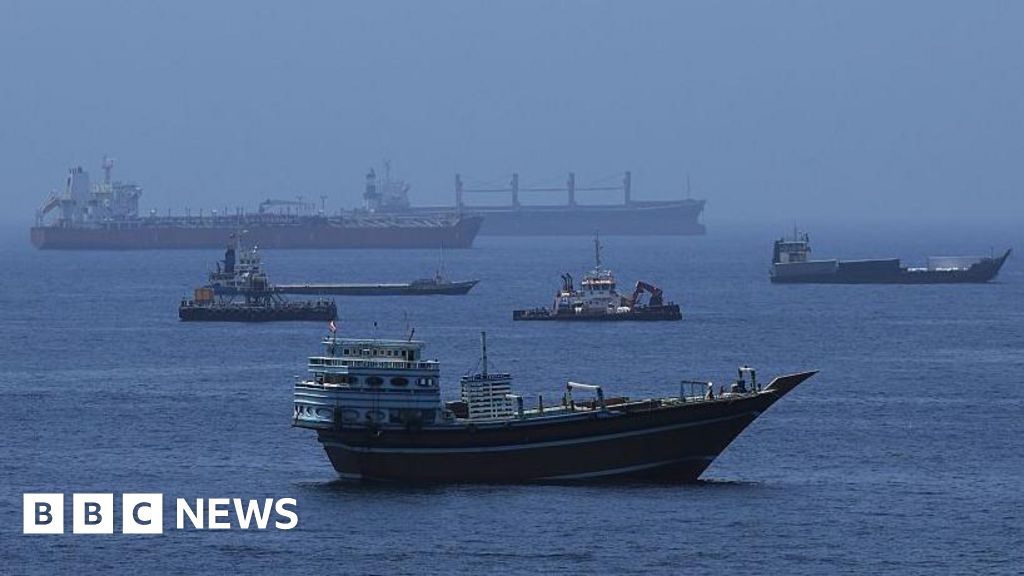
The geopolitical landscape is continuously shifting, particularly regarding oil trade and international relations. Recently, the United States has issued stern warnings to countries engaging in commerce with Iran, primarily targeting nations that import Iranian oil. This situation has considerable implications not just for the countries involved but for global energy markets as well.
The Impact of US Sanctions on Iran’s Oil Trade
The United States has taken a hard stance against Iran’s oil sales as part of its broader strategy to exert pressure on Tehran. Since pulling out of the Iran nuclear deal in 2018, the US has reinstated sanctions that heavily restrict Iran’s oil exports. This dual approach aims to limit Iran’s financial resources while sending a clear message to other nations about the consequences of trading with Tehran. As a result, countries that continue to engage in oil transactions with Iran face potential isolation from the global financial system, making compliance a concern for many nations.
Beijing’s Role in Iranian Oil Market
While the US seeks to limit Iran’s oil revenue, China has emerged as a key player in maintaining those critical import markets. A significant portion of Iran’s oil exports is directed toward Beijing, which has not been deterred by US threats. The strong dependency on Iranian oil allows China to offset some of the challenges posed by these sanctions, making it an essential partner for Tehran. Furthermore, China’s continued engagement with Iran highlights a broader economic strategy, as it seeks to secure energy supplies amid its expanding industrial base.
Potential Consequences for Global Energy Markets
The ongoing tensions surrounding Iran’s oil exports could have far-reaching consequences for global energy markets. Countries that are caught in the middle, or those looking to diversify their oil supply, may find themselves navigating a complex landscape of political and economic pressures. Increased oil prices could result from reduced availability as sanctions tighten, complicating issues of energy security and economic stability in various regions.
Moreover, the intricate web of international trade complicates the dynamics further. Supply chains can be disrupted, leading to potential fluctuations in oil availability and prices across different markets. Nations less committed to US sanctions may find themselves emerging as critical players in the oil trade, potentially undermining American influence internationally.
Future Implications for International Relations
The situation surrounding Iran’s oil trade could redefine diplomatic relationships in the coming years. Nations must weigh their need for energy resources against the risks posed by US sanctions. This balancing act could lead to shifting alliances as countries reassess their partnerships based on economic and political interests. In the long run, these dynamics may shape not only energy trade but also the broader context of international relations as nations explore new avenues for cooperation and conflict resolution.
In conclusion, the United States’ pressure on nations to discontinue oil trade with Iran is a significant development in the arena of international relations. With China stepping in to fill the void, the implications for global energy markets are profound. As nations navigate these waters, the outcomes could lead to a reconfiguration of alliances that may echo in the years to come.