
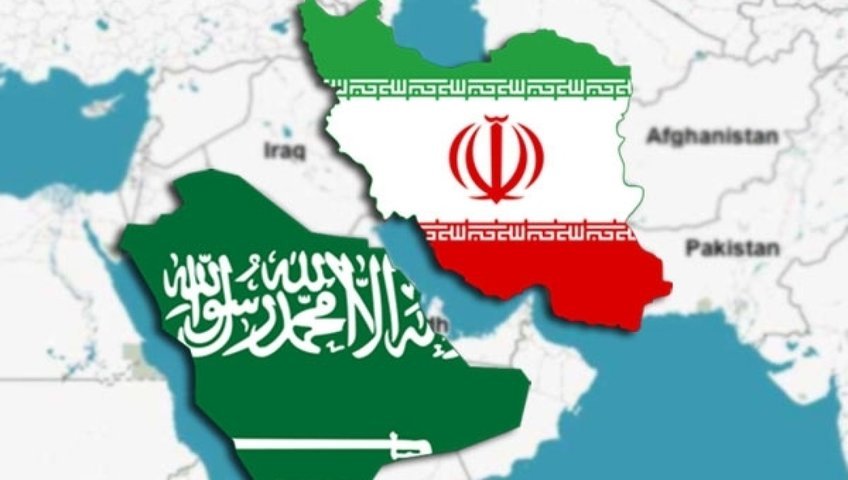
Iraq is taking proactive steps to address regional security challenges by proposing the establishment of a joint security coordination council with Iran and Saudi Arabia. This initiative is particularly significant given the prevailing tensions between these two influential nations, which have historically been at odds with one another. By facilitating a collaborative framework, Iraq aims to foster trust and enhance stability in a tumultuous security landscape.
Iraq’s Diplomatic Initiative
The suggestion for this council was made by Qasim al-Araji, the Security Affairs Adviser to Iraq’s Prime Minister Ali al-Zaidi. The proposal reflects Iraq’s desire to play a mediating role in a region marred by conflict and distrust. With the ongoing challenges in ensuring national security, this initiative signals Iraq’s commitment to fostering a cooperative environment among neighboring countries.
Rising Regional Tensions
The need for this initiative has become increasingly pressing as tensions between Saudi Arabia and Iran escalate. Recently, Saudi Arabia intercepted several drones that were reportedly targeting its oil infrastructure and capital city. In this context, Riyadh has accused Iran of supporting militant groups that operate from Iraqi territory, further complicating the relationships in the region. These allegations underline the urgent need for dialogue and collaboration to mitigate the risks of further conflict.
The Background of the Initiative
This diplomatic proposal comes at a time marked by military actions, including recent airstrikes conducted by US-Saudi forces against sites linked to the Popular Mobilization Forces (PMF) in Iraq. Such actions have provoked serious backlash from Baghdad, as they are perceived as violations of Iraqi sovereignty. In response to these challenges, Iraq is not only advocating for security collaboration but is also urging Iran to allow waivers for oil tankers traversing the Strait of Hormuz, indicating the complexity of Iraq’s diplomatic balancing act.
Path to Domestic Sovereignty
Underpinning Iraq’s proposal is the concept of achieving comprehensive domestic sovereignty. With the upcoming withdrawal of US-led international coalition forces from the country, the Iraqi government is focusing on consolidating its authority over various armed factions and weaponry. This strategy aims to ensure that all security aspects are under state control, thereby reinforcing Iraq’s ability to make independent decisions regarding war and peace.
In conclusion, Iraq’s initiative to create a joint security coordination council with Iran and Saudi Arabia represents a critical effort to bridge gaps of trust amid rising regional tensions. While both countries have yet to formally respond to this proposal, the situation underscores the urgency for cooperative dialogue in navigating the complex security landscape of the Middle East. Iraq’s commitment to mediating these ties and solidifying its own sovereignty will play a pivotal role in shaping the future of regional stability.