
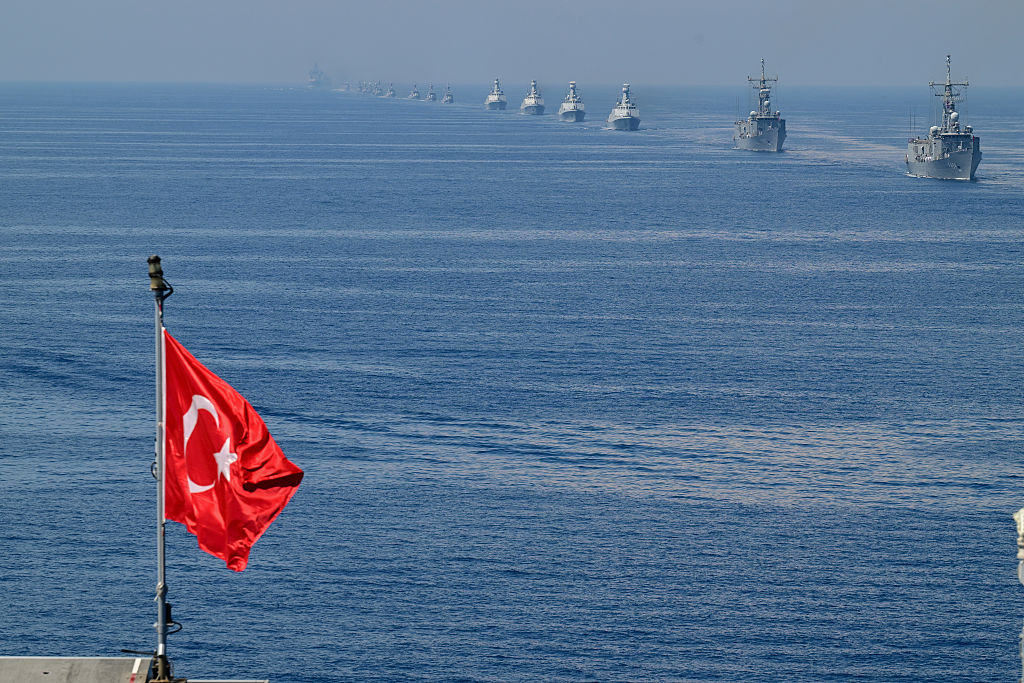
As Israel takes steps to thwart Turkish military advances in Syria, tensions in the eastern Mediterranean are expected to rise. With Turkey remaining a NATO member, its geopolitical maneuvers could have significant ramifications for the region.
Current Dynamics in the Eastern Mediterranean
The eastern Mediterranean has become a focal point of geopolitical tension, with various nations vying for influence. Turkey’s ambitions in the region are shaped by its historical claims and recent actions in neighboring countries. By solidifying its military presence in Syria, Turkey aims to secure its borders and expand its regional impact. This could lead to a notable shift in the Mediterranean’s balance of power, compelling other nations, including Israel, to respond accordingly.
Israel’s proactive stance against Turkish encroachment illustrates its broader strategy of safeguarding national interests. The nation’s military and intelligence capabilities will play a crucial role in countering perceived threats from Turkey. As Israel enhances its security measures, it seeks to maintain stability and deter any potential aggressions emanating from Ankara.
Potential Consequences for International Relations
The evolving situation could prompt a reevaluation of alliances within the region. Turkey’s strategic maneuvers might lead to greater collaboration among nations feeling threatened by its actions. For instance, Israel may strengthen its ties with Cyprus and Greece, both of which have expressed concerns regarding Turkish expansionism. This triad of nations could work together to reinforce their maritime boundaries and safeguard energy interests in the eastern Mediterranean.
In addition, other NATO members may need to address Turkey’s behavior more critically. The alliance’s cohesion could be tested if Turkey continues to act unilaterally, undermining the collective security framework. Diplomatic negotiations and interventions may become essential as the region grapples with potential new hostilities.
The Role of Natural Resources in the Dispute
The eastern Mediterranean is rich in natural resources, including hydrocarbon reserves, which add another layer to the ongoing tension. Turkey’s push for exploration and drilling rights could provoke confrontations with neighboring countries that claim similar rights to these resources. Israel, in particular, has invested heavily in offshore gas projects that could be jeopardized by Turkey’s assertive strategies.
These resource disputes have the potential to escalate into larger conflicts if not managed diplomatically. Effective communication and collaboration among nations are vital to finding solutions that can mitigate confrontation and promote stability in the region. Various nations may need to engage in strategic dialogues to foster cooperation and prevent a full-blown crisis.
As Turkey continues to assert its influence in the region, Israel remains vigilant in safeguarding its sovereignty and national interests. The unfolding situation in the eastern Mediterranean will undoubtedly keep geopolitical analysts on high alert, as the implications of this rivalry could extend far beyond the immediate vicinity.
In conclusion, the developing dynamics between Israel and Turkey, especially in light of Turkey’s military maneuvers in Syria, present a complex challenge. As tensions rise, it is crucial for all parties involved to seek avenues for dialogue, aiming to navigate the intricacies of international relations in a region marked by historical grievances and economic aspirations. The eastern Mediterranean’s future depends on the delicate balance of power and the willingness of nations to work collaboratively towards a more peaceful coexistence.