
Introduction
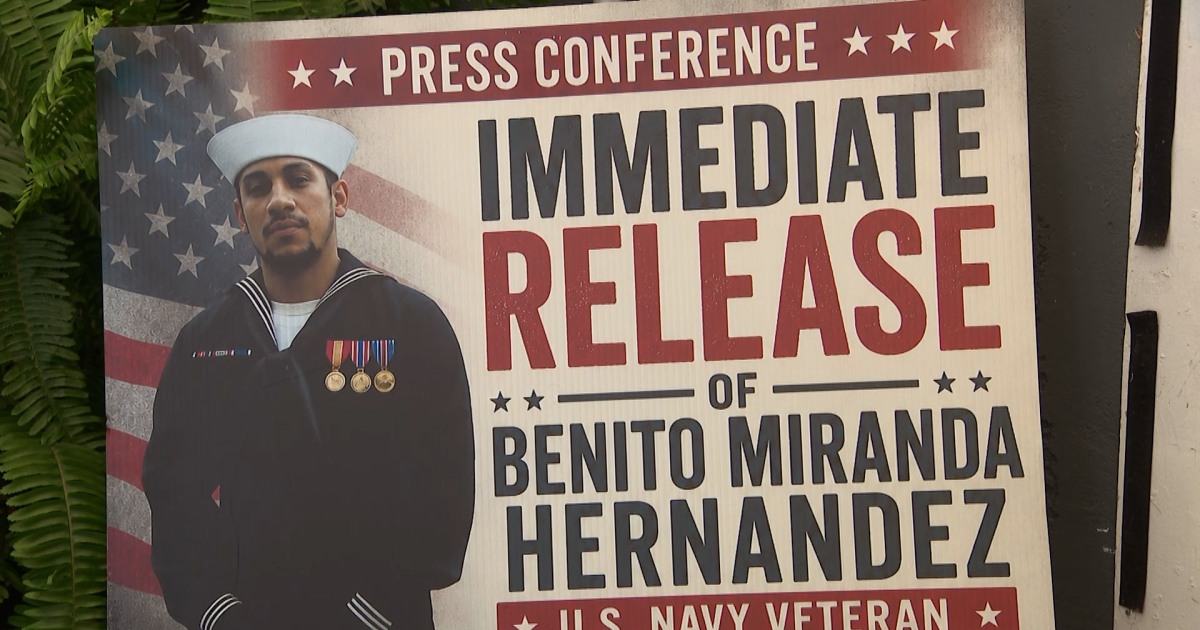
Recent events have highlighted the precarious situations faced by veterans returning from service. One such case involves Benito Miranda Hernandez, a Navy veteran, who is currently battling potential deportation after a series of legal troubles. His story raises crucial questions about the treatment of veterans who have fought bravely for their country yet find themselves in challenging circumstances upon returning home.
The Struggles of Veterans After Service
Post-deployment life can be exceptionally difficult for many veterans. Benito Miranda Hernandez, who served in Iraq, has recently faced deportation proceedings after spending years dealing with multiple felony convictions related to drug use and weapon possession. Hernandez’s family claims he returned from his service deeply traumatized, illustrating a common plight among veterans. Many who have served in combat zones struggle with mental health issues, substance abuse, and reintegration into civilian life. The desperate fight against addiction and the ripple effects it creates can often entrap even the most resilient individuals.
The challenge extends beyond just legal issues; it delves into the very fabric of mental health support systems available for veterans. Research shows that veterans are at a higher risk of experiencing PTSD, anxiety, and depression. As they navigate the complexities of life after military duty, insufficient access to mental health resources exacerbates their struggles. The case of Hernandez highlights the urgent need for comprehensive support services for veterans that encompass emotional, psychological, and legal aid.
Legal Battles for Veterans
Navigating the legal landscape can be especially daunting for veterans like Hernandez. With multiple felony convictions, Hernandez must face not only potential deportation but the overwhelming stigma associated with incarceration. This can lead to a vicious cycle where legal issues compound existing problems, inhibiting the ability to rebuild their lives. Moreover, many military veterans are not aware of their rights within the legal framework, often resulting in unrepresented and vulnerable individuals during critical court hearings.
Veterans often have unique legal challenges, including navigating immigration laws if they need assistance in that area. Training and resources for attorneys on veterans’ rights are not always available, leading to a sense of isolation among those who have served. The importance of legal advocacy in these situations cannot be overstated. Programs specifically designed to assist veterans can provide the essential guidance that many need to reclaim control over their lives.
Breaking the Cycle of Trauma and Legal Issues
To combat the cycle of trauma and legal difficulties, society needs to invest more in veteran outreach programs that specifically address these challenges. Awareness campaigns can aid in reducing the stigma surrounding mental health issues among veterans, facilitating discussions that encourage seeking help. Comprehensive rehabilitation programs must incorporate both mental health counseling and legal guidance. This dual approach can empower veterans to overcome their past struggles and build a brighter future.
Collectively, we must advocate for systemic changes that protect veterans’ rights and provide them with the necessary tools to reintegrate successfully. By understanding their stories and creating supportive environments, we can honor the sacrifices they made while ensuring they receive the assistance they deserve. Ultimately, fighting for the well-being of veterans like Benito Miranda Hernandez is not just about legalities—it’s about acknowledging their humanity and supporting their journey toward healing and reintegration into society.