
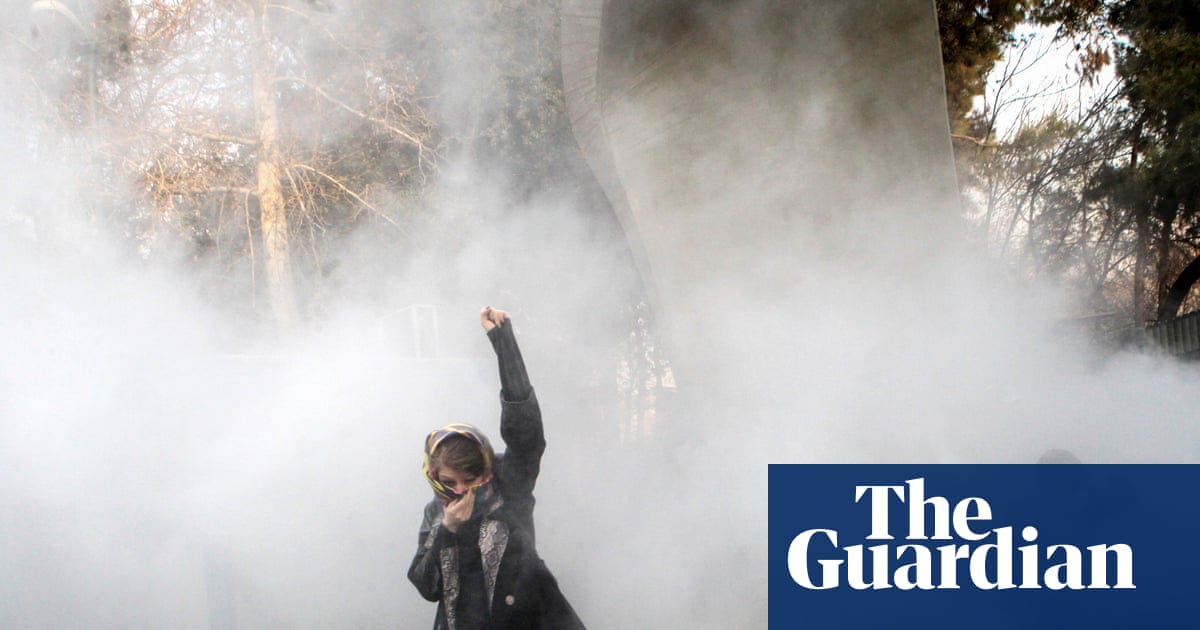
Iran is moving forward with a significant legislative action aimed at criminalizing communication with foreign media. Human rights organizations argue that this initiative is designed to isolate Iranian society from the global community, raising serious concerns about freedom of expression and the flow of information within the country.
Proposed Law and Its Implications
Iranian lawmakers are deliberating on a bill that would render interactions with foreign media potentially criminal. This encompasses not only journalists and researchers but could also impact everyday citizens seeking to share information or experiences with international audiences. Legal expert Moein Khazaeli, who specializes in human rights, warns that any form of engagement—be it interviews or sharing images—could lead to prison sentences ranging from six months to two years. The proposed law casts a wide net, affecting any media outlet that the government deems “foreign,” including popular platforms like Instagram and X.
The implications of this bill extend beyond mere legal penalties; they represent a broad effort by the Iranian regime to regulate and punish any contact between citizens and international institutions. Khazaeli highlights that this could lead Iran toward a state resembling North Korea in terms of social isolation and media control.
Real-Life Consequences for Journalists
The case of Yalda Moaiery, a well-respected photojournalist, exemplifies the looming threats under this proposed legislation. Recently sentenced to 15 years in absentia for her documentation of the US-Israeli conflict involving Iran, Moaiery’s situation showcases the precarious existence for journalists in the country. While she was initially charged under espionage laws, the new bill signals a more extensive crackdown on reporting and engagement with foreign media.
Moaiery has spent twenty years exposing the harsh realities that Iranians face, particularly during protests such as the “Woman, Life, Freedom” movement in 2022. Despite earning global recognition for her work, including a notable critique of former President Trump’s use of one of her photographs for political gain, she now finds herself in a precarious legal situation. Expressing her fear of imprisonment, Moaiery reflects on the toll such a long sentence would take on her life.
Risks for Society at Large
The consequences of this proposed law extend beyond the realm of journalism. Bahar Ghandehari, director of the Center for Human Rights in Iran, warns that it endangers not just the freedom of the press, but the very fabric of Iranian society. By criminalizing the exchange of information, the government aims to sever ties between ordinary citizens and the wider world.
Ghandahari articulates that this legislation sends a chilling message, transforming academic discussions, civic engagement, and even professional exchanges into potential national security offenses. The proposed bill has the ominous potential to transform Iran into an “isolated black hole,” effectively restricting access to essential information and the outside world.
The Chilling Effect on Journalism
Moaiery’s plight, along with new restrictive laws, suggests that many journalists could face similar fates if they choose to report independently. Previous interactions with international media could be construed as treasonous, further complicating an already perilous environment for those committed to uncovering the truth. Even foreign journalists reporting on significant events, like the funeral of the late Supreme Leader Ali Khamenei, have faced scrutiny for not engaging in deeper discussions with the Iranian people suffering from current hardships.
The future of journalism in Iran is increasingly at risk, raising alarm among human rights advocates eager to preserve the vital free flow of information. As Moaiery aptly notes, the emphasis should be on providing a voice to those living under oppressive regimes rather than perpetuating their narratives. The Iranian people’s connection to the global community is at stake, and efforts to criminalize foreign contact only serve to deepen the chasm between Iran and the rest of the world.