
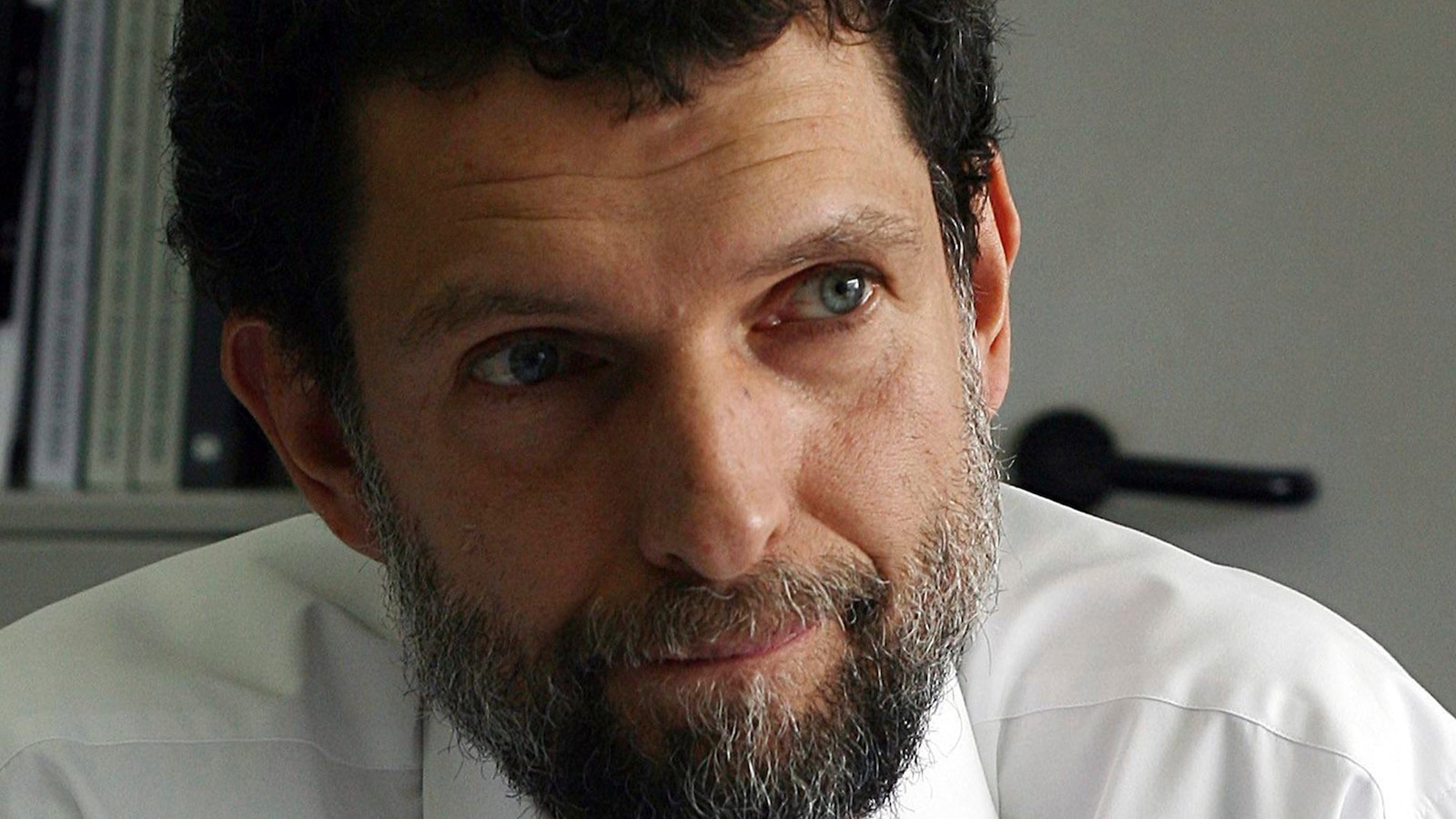
The recent ruling from the European Court of Human Rights (ECHR) has brought significant attention to Turkey’s judicial practices. With a firm stance against the imprisonment of philanthropist Osman Kavala, the court spotlighted the systemic issues within Turkey’s legal framework. This ruling raises practical implications concerning human rights and the political climate under President Recep Tayyip Erdoğan’s administration.
The Case of Osman Kavala
Osman Kavala, a 68-year-old philanthropist known for promoting dialogue and peace, was sentenced to life imprisonment without the possibility of parole in 2022. His incarceration stems from accusations related to the 2013 Gezi Park protests as well as the failed coup d’état in 2016. Human rights advocates argue that his imprisonment is emblematic of a broader pattern of suppression targeting political critics, human rights defenders, and journalists. The Turkish government has faced accusations of manipulating the legal system for its own purposes, particularly against those who oppose Erdoğan’s long-standing rule.
European Court’s Critique
In its recent judgment, the ECHR underscored that Kavala’s conviction reveals fundamental deficiencies in Turkey’s judicial process. The court deemed his trial as “null and void,” reiterating previous calls made as early as 2019 for Kavala’s release. It emphasized that the Turkish authorities had violated several of Kavala’s core human rights, raising alarms about the independence of the judiciary. The ECHR’s statement indicated that the judiciary appears susceptible to influences from the executive branch, particularly in cases that possess significant political connotations.
Government’s Stance
In response to these criticisms, the Turkish government has stood firm, maintaining that its judiciary is both impartial and independent. President Erdoğan has dismissed prior ECHR rulings, asserting that Turkey will not acknowledge decisions from what he deems foreign entities undermining Turkish courts. This stance further complicates an already tense relationship between Turkey and international human rights standards.
Diplomatic Consequences
Kavala’s case has also sparked considerable diplomatic fallout, notably in 2021 when Erdoğan threatened to expel ten foreign ambassadors, including those from the U.S., Germany, and France. This situation arose after the ambassadors publicly called for Kavala’s release, illustrating the far-reaching implications of this legal battle that extends into global diplomacy. The international community continues to monitor the case closely, with many viewing it as a bellwether for Turkey’s commitment to human rights and the rule of law.
In conclusion, the situation surrounding Osman Kavala serves as a crucial touchpoint in the discourse over human rights and judicial integrity in Turkey. The recent ECHR ruling highlights not only systemic issues in the Turkish legal system but also the geopolitical ramifications of the government’s actions. As international scrutiny of Turkey’s judiciary intensifies, the implications for freedom of expression and political dissent become increasingly vital to follow.