
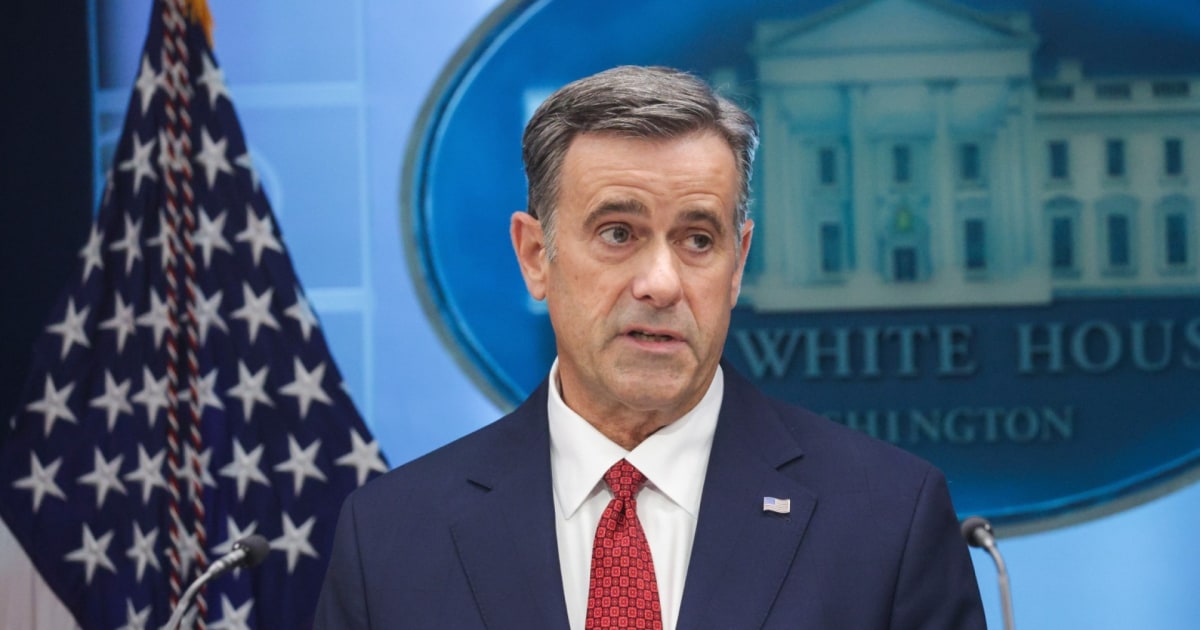
CIA Chief’s Visit to Moscow: A Diplomatic Inquiry
Recently, CIA Director John Ratcliffe’s visit to Moscow raised eyebrows as he urged Russia’s top intelligence leader not to disseminate information that could be harmful to the United States, particularly concerning Iran. This diplomatic maneuver has sparked discussions among analysts regarding its implications for U.S. national security and foreign relations.
The Diplomatic Landscape
During his meeting, Ratcliffe made a pointed request, highlighting concerns about Iranian intelligence capabilities. With geopolitical tensions at an all-time high, the significance of this discussion cannot be underestimated. In a world where intelligence-sharing can greatly affect military and strategic operations, such a plea emphasizes the complexities faced by U.S. intelligence agencies. Ratcliffe’s motives were not solely about averting immediate threats; they reflect long-term strategies aimed at safeguarding American interests.
The Iranian Factor
Iran’s influence in the Middle East is growing, which makes any intelligence-sharing between Russia and Iran particularly alarming for Washington. With tensions escalated between the U.S. and Iran due to nuclear ambitions and other regional conflicts, the concern is valid. Furthermore, the dialog between Moscow and Tehran raises questions about the extent of their collaboration. The U.S. remains steadfast in its commitment to counter Iran’s influence, and the potential exchange of intelligence between Russia and Iran is regarded as a serious threat to that objective.
Implications for U.S. National Security
This direct communication between CIA leadership and foreign entities illustrates a proactive approach to ensure that potential threats are preemptively addressed. The fallout from this meeting could shape U.S. intelligence strategies moving forward. Should Russia agree to these terms and limit its intelligence exchanges with Iran, it may pave the way for renewed diplomatic relations, albeit cautiously. However, failure to adhere to such requests would likely result in heightened tensions and possibly expanded sanctions against both countries.
In conclusion, Ratcliffe’s visit serves as more than a moment of mere diplomacy; it symbolizes a pivotal stance in the ongoing battle for influence in critical regions. The implications of this meeting extend far beyond immediate national security; they touch on the intricate web of alliances and enmities shaping global politics today. As the U.S. navigates this challenging landscape, the effectiveness of such diplomatic efforts will be crucial in determining outcomes in the long run.