
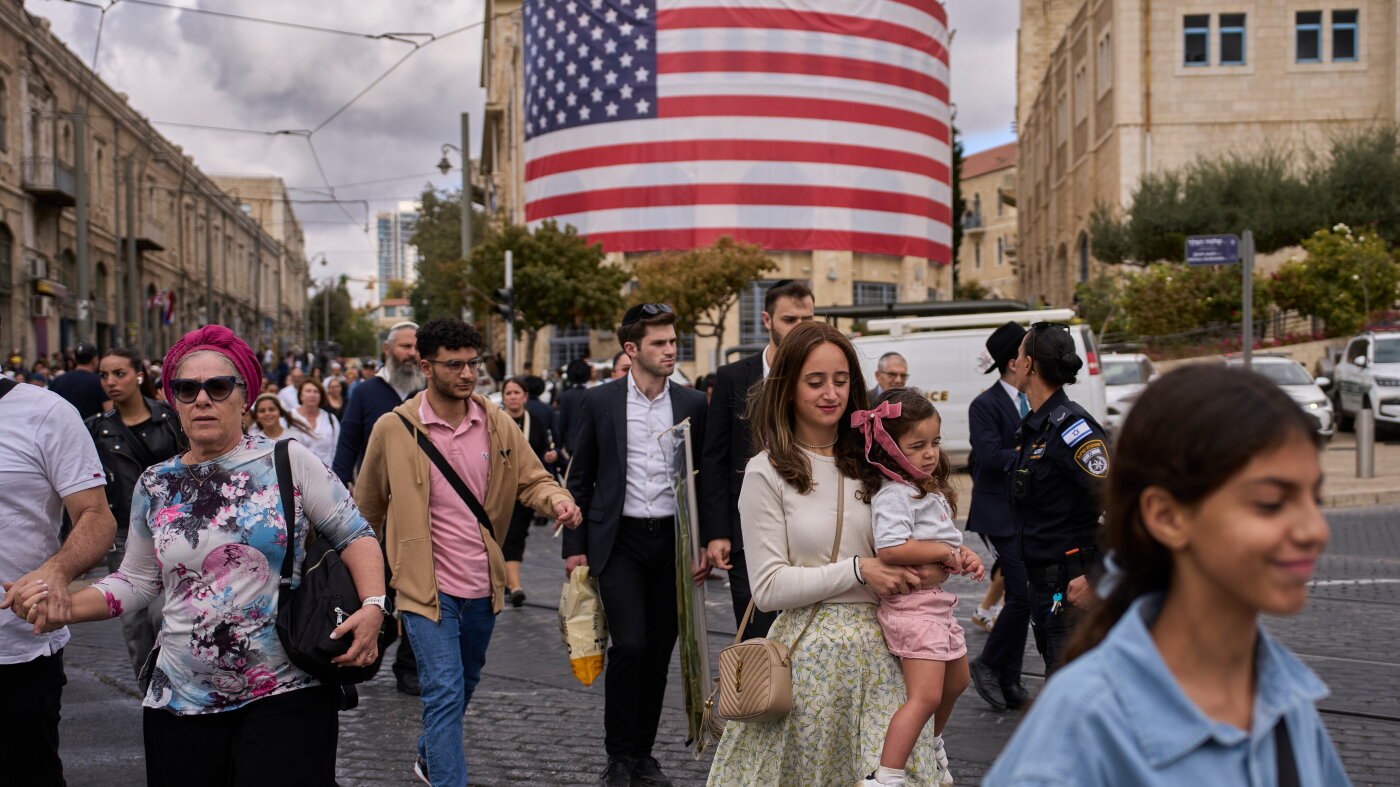
The recent Hamas-led assaults on Israel on October 7, 2023, have significantly altered perceptions and dynamics in the region. Since then, Israel has initiated military actions in both Gaza and Lebanon, and the United States has engaged in conflicts involving Iran alongside Israel. Understanding the shifting opinions of Americans towards Israel, and vice versa, is crucial in light of these developments, as they could influence future relations and policies.
Changing American Attitudes Towards Israel
Historically, support for Israel among the American populace has fluctuated. According to the Pew Research Center, support stood at 67 percent just four years ago. However, this figure has dropped to approximately 52 percent as of last month. These statistics indicate a notable decline in favorable views, which can be attributed to various factors including the ongoing violence and humanitarian concerns. Emotional responses to such conflicts often shape public sentiment, affecting how Americans view diplomatic relations and military actions.
The impact of the recent conflict has prompted discussions across various platforms, revealing a complex tapestry of opinions. While many Americans continue to support Israel based on historical alliances and shared democratic values, there is also a rising awareness of the humanitarian implications of military operations. Activist voices and calls for accountability have gained traction, urging a more nuanced approach to U.S.-Israel relations. This evolving dialogue suggests that Americans are increasingly willing to question traditional narratives surrounding foreign aid and military support.
Israeli Perspectives and U.S. Influence
Conversely, how do Israelis perceive the growing ambivalence from Americans? The shift in American attitudes has not gone unnoticed in Jerusalem. Many Israelis view U.S. support as pivotal, not only for military assistance but also for diplomatic backing on the global stage. A decline in favorable views may incite concerns about potential changes in long-standing alliances and the nature of support in future conflicts.
Moreover, the Israeli public’s response to the recent escalations may reflect broader uncertainties. While there is a prevalent belief in the necessity of strong defensive measures, concerns about the humanitarian crisis in Gaza now permeate conversations in Israeli society. Many citizens express the need for a balance between security objectives and the moral implications of military actions. This duality creates an environment where public opinion can shift rapidly, influenced by both internal and external pressures.
The Path Forward: Rebuilding Trust and Understanding
The path ahead necessitates a renewed focus on dialogue and understanding between Americans and Israelis. As both nations navigate a tumultuous geopolitical landscape, fostering mutual respect and comprehension is essential. Leaders from both sides will need to engage in meaningful conversations that acknowledge varied perspectives and realities.
In conclusion, the changing sentiments towards Israel reflect a broader transformation in public opinion shaped by complex factors. As discussions continue, the relationship between the U.S. and Israel stands at a crossroads, indicative of how nuanced geopolitical conflicts can reshape alliances. Understanding these dynamics is vital for policymakers aiming to forge a more stable and harmonious future.