
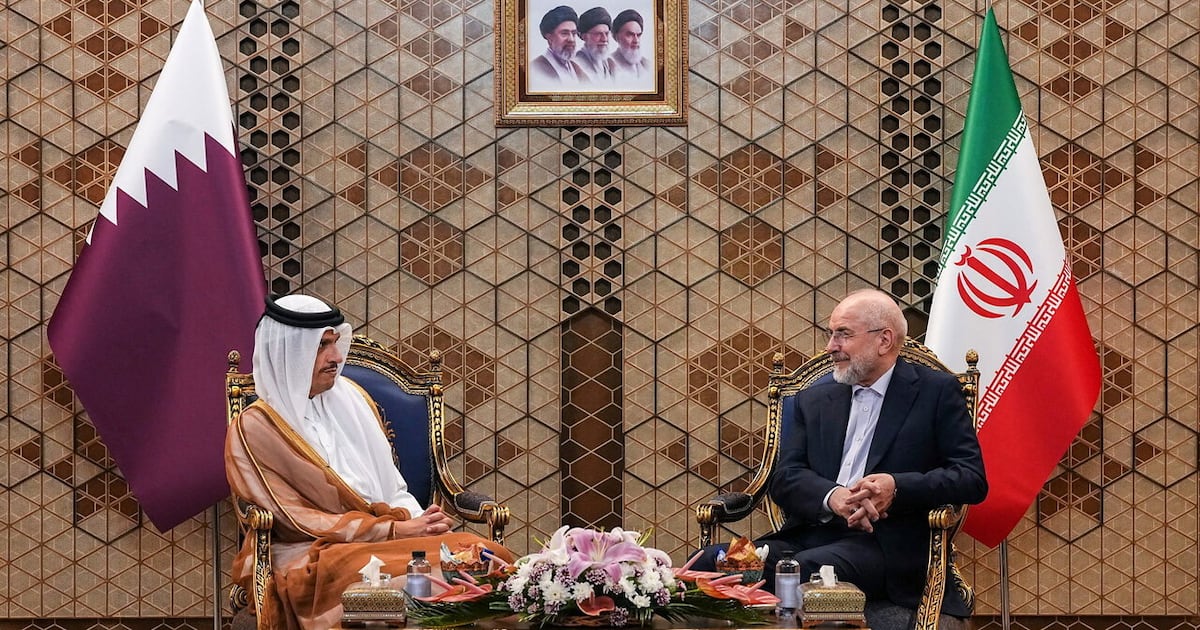
In a rapidly evolving geopolitical landscape, tensions over Iran’s nuclear ambitions continue to make headlines. The recent breakdown of a potential June agreement has raised concerns, especially as Qatar attempts to mediate dialogues amidst heightened confrontations in the Strait of Hormuz.
The Iran Deal That Never Was
Former President Trump has unequivocally dismissed the prospects of a June deal with Iran, a move that reflects growing unease within the U.S. regarding Tehran’s nuclear program. The complexities surrounding this nuclear accord are underscored by Tehran’s insistence on revising the parameters set during earlier negotiations, further complicating efforts to reach a consensus. As the situation develops, analysts are questioning whether a revised deal can still be on the table, given the hardening positions from both Washington and Tehran.
Qatar’s Role in Diplomatic Efforts
Qatar has emerged as a key player attempting to facilitate discussions between the U.S. and Iran. However, their diplomatic efforts appear to be faltering in the face of Washington’s increasingly rigid stance and Iran’s new demands. The situation in the Strait of Hormuz, a critical waterway for oil shipments, has only added layers of complexity to these negotiations. A failure to stabilize the region could have far-reaching implications for global energy markets and security.
Escalating Tensions in the Strait of Hormuz
The Strait of Hormuz has become a focal point of military maneuvers and posturing, heightening the sense of urgency among nations reliant on its shipping routes. The strategic significance of this narrow passage cannot be overstated, as it serves as a transit point for a significant portion of the world’s oil supply. Continuous threats and military buildup in this area have created a precarious situation, prompting countries to rethink their strategies.
The Future of U.S.-Iran Relations
As the diplomatic landscape shifts, the future of U.S.-Iran relations remains uncertain. With Trump’s outright rejection of the June deal and Iran’s new conditions, the possibility of a mutually beneficial agreement diminishes. Furthermore, as both sides continue to dig in their heels, experts predict that tensions could escalate, highlighting the need for innovative diplomatic strategies to bring all parties back to the negotiating table.
In summary, the complex interplay between U.S. policies, Iranian ambitions, and Qatar’s mediating efforts presents a challenging scenario for all involved. The focus on the Strait of Hormuz adds an urgent layer to these discussions, as global stability hinges on a peaceful resolution to the ongoing tensions. As we move forward, the hope lies in finding common ground that not only addresses nuclear concerns but also ensures the security of vital trade routes, ultimately striving for a more stable geopolitical environment.